 85 citations
,
August 2018 in “Psychological Medicine”
85 citations
,
August 2018 in “Psychological Medicine” This study reported that women with PCOS had higher levels of depression, anxiety, and perceived stress compared to those without PCOS, with stress potentially mediating these associations.
 69 citations
,
April 2017 in “BMJ open”
69 citations
,
April 2017 in “BMJ open” This study found that people with alopecia who worry about not wearing a wig reported higher levels of depression, anxiety, and social anxiety, although wig use increased social confidence for many.
 60 citations
,
May 2018 in “Indian Journal of Psychological Medicine”
60 citations
,
May 2018 in “Indian Journal of Psychological Medicine” This article highlights the lack of attention to the impact of polycystic ovarian syndrome on women's identity, mental health, and quality of life in India without offering new findings.
 35 citations
,
July 2015 in “Journal of Affective Disorders”
35 citations
,
July 2015 in “Journal of Affective Disorders” This study found that women with polycystic ovary syndrome have significantly higher scores for affective temperaments and anxiety and depression than healthy controls, suggesting risk for depressive and anxiety disorders.
21 citations
,
May 2016 in “Progress in Neuro-Psychopharmacology and Biological Psychiatry” Diazepam's effects on anxiety and memory differ between male and female rats due to hormonal influences.
13 citations
,
November 2024 in “BMC Psychiatry” This study found that women with PCOS have a high prevalence of depression and anxiety, with poor mental well-being linked to both conditions, suggesting the need for mental health screening in these patients.
6 citations
,
January 2024 in “Journal of Cosmetic Dermatology” Alopecia areata patients have worse quality of life, anxiety, and depression than vitiligo patients.
 6 citations
,
January 2021 in “Journal of The American Academy of Dermatology”
6 citations
,
January 2021 in “Journal of The American Academy of Dermatology” Scalp photography helps patients feel less anxious about hair loss, agree more with doctors on severity, and stay motivated for treatment.
 6 citations
,
June 2022 in “Frontiers in Psychiatry”
6 citations
,
June 2022 in “Frontiers in Psychiatry” This review reported that anxiety, particularly generalized anxiety disorder, is common among patients with various medical illnesses, highlighting the need for its recognition and proper assessment in these settings.
5 citations
,
September 2023 in “Clinical Cosmetic and Investigational Dermatology” This study found that depression and anxiety were more common in patients with alopecia areata than in healthy volunteers.
 4 citations
,
November 2022 in “Frontiers in Medicine”
4 citations
,
November 2022 in “Frontiers in Medicine” This study found that people with alopecia areata have a higher likelihood of experiencing anxiety and depression, and a moderate negative impact on their quality of life compared to healthy individuals.
 4 citations
,
July 2022 in “Medicina-lithuania”
4 citations
,
July 2022 in “Medicina-lithuania” This study found that women with PCOS in Poland had higher anxiety and depression levels and lower ego-resiliency compared to healthy women, often using passive stress-coping strategies.
4 citations
,
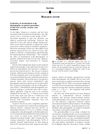
June 2019 in “Case Reports in Ophthalmological Medicine” This case report describes a unique instance where a 9-year-old boy's eyelash trichotillomania was triggered by anxiety about nocturnal enuresis, which was resolved through discussions with family, teachers, and counselors.
3 citations
,
January 2024 in “Revista da Associação Médica Brasileira” In this study, the authors reported that depression and anxiety are more prevalent in patients with polycystic ovary syndrome compared to healthy women, reinforcing the need for routine mental health screening in this population.
 3 citations
,
October 2021 in “Kerala Journal of Psychiatry”
3 citations
,
October 2021 in “Kerala Journal of Psychiatry” Among breast cancer patients undergoing chemotherapy, this study found that anxiety and depression were present but did not affect overall quality of life.
2 citations
,
July 2025 in “Consilium Medicum” This study found that in women with alopecia, anxiety levels significantly decreased with temgikoluril alongside standard therapy over 12 weeks, enhancing emotional well-being and treatment satisfaction compared to the control group receiving only standard therapy.
2 citations
,
February 2025 in “Medicine” This study found that among individuals with hair loss-related conditions, there was a significant association between alopecia and anxiety disorders, with affected individuals experiencing anxiety more frequently.
1 citations
,
November 2025 in “Journal of Health Psychology” This study found that individuals with Alopecia Areata experience significantly higher social appearance anxiety compared to healthy controls, driven more by appearance-related concerns than by general anxiety or depression, highlighting the importance of targeted psychosocial assessments in their routine care.
1 citations
,
May 2024 in “Archives of Dermatological Research” This study found that children with alopecia areata had more neglectful family environments and higher levels of anxiety and depression compared to healthy control peers, suggesting a psychosomatic component to the condition.
 1 citations
,
January 2022 in “International Journal of Health Sciences”
1 citations
,
January 2022 in “International Journal of Health Sciences” This study found that 18.1% of health workers at Sanglah Hospital reported anxiety during the COVID-19 pandemic, with the highest levels in nurses and those in Non-COVID wards.
June 2026 in “Drugs & Therapy Perspectives” This study reports that patients with severe alopecia areata who experienced sustained scalp regrowth while receiving continuous baricitinib treatment showed improvements in health-related quality of life and reductions in anxiety and depression symptoms.

In this study, researchers found that gender-diverse individuals experience higher depression and anxiety levels than cis-gender heterosexuals and exhibit lower hair cortisol levels, suggesting a potential link to health disparities possibly driven by trauma-, fatigue-, and pain-related conditions.
January 2026 in “Saudi Journal of Internal Medicine” This study found that depression and anxiety are common in adults with systemic lupus erythematosus and are associated with increased disease activity and specific complications like hair loss and cardiac issues.
January 2026 in “International Journal of Clinical Practice” This study found that individuals with alopecia areata have higher levels of anxiety and depression compared to healthy individuals, with longer disease duration linked to increased anxiety and severe severity predicting higher depression.
November 2025 in “Skin Health and Disease” This study found that patients with alopecia areata had a higher prevalence of depression, anxiety, and alexithymia compared to normative data, with alexithymia more common in those with earlier onset AA, lower education levels, and younger age.
August 2025 in “Journal of Affective Disorders” This study found that gender-diverse individuals experienced higher depression and anxiety levels alongside lower cortisol concentrations, resembling profiles typical in trauma and pain-related conditions.
November 2024 in “SKIN The Journal of Cutaneous Medicine” In this observational study, researchers examined U.S. and Canadian patients with alopecia areata and found that while comorbid anxiety/depression correlated with increased patient-reported disease severity, other comorbidities like atopic dermatitis and vitiligo showed no statistically significant differences in clinician-reported AA severity or hair involvement.
 July 2024 in “International Journal of Reproduction Contraception Obstetrics and Gynecology”
 This study found that infertile women with polycystic ovary syndrome in Ardabil had a significantly higher rate of depression compared to those without the condition, highlighting the need for attention to the mental health aspects of PCOS.
 April 2024 in “Research Square”
 This study observed that children with alopecia areata had higher anxiety and depression scores, and their families showed more neglectful parenting styles compared to healthy controls.
April 2024 in “Middle East Fertility Society Journal” In this study of infertile Indonesian women with PCOS, researchers found no correlation between hirsutism, body measurements, and sexual dysfunction scores, but noted that hirsutism may be linked to higher anxiety levels.