 75 citations
,
November 2016 in “Medicines”
75 citations
,
November 2016 in “Medicines” This review discusses the properties and therapeutic potentials of beta-sitosterol, highlighting a need for more detailed studies on its mechanisms and long-term effects in humans; it reports no new results.
 September 2025 in “Research in Agriculture Livestock and Fisheries”
 This study found a high prevalence of parasitic infections in cattle in the Mymensingh district of Bangladesh, with mixed infections being more common and highlighting the need for improved management practices.
 June 2023 in “Journal of Ayurvedic and herbal medicine”
 This review article highlights the potential health benefits and pharmaceutical components of pumpkin seeds, which contain proteins, antioxidants, and essential nutrients, and discusses their traditional medicinal uses and emerging applications in the food industry.
15 citations
,
May 2022 in “Fermentation” This study found that fermented camel milk containing 50% pumpkin seed milk significantly improved oxidative stress markers in rats and enhanced sensory and physicochemical properties compared to untreated groups.
11 citations
,
April 2023 in “Frontiers in Pharmacology” This study reported that the Computational Analysis of Novel Drug Opportunities platform effectively uses integrated biological data, including side effects and pathways, to generate potential drug candidates for colon cancer and migraine disorders.
September 2025 in “Journal of Applied Biological Chemistry” In a laboratory study, Grateloupia elata extract demonstrated antioxidant and anti-aging effects by scavenging free radicals, inhibiting collagenase and elastase, increasing procollagen production, and reducing MMP-1 secretion, suggesting its potential use in functional cosmetics.
 April 2025 in “Journal of Advanced Pharmaceutical Technology amp Research”
 In this study, researchers reported that a combination treatment of Morinda citrifolia fruit extract and Averrhoa bilimbi leaf extract at specific concentrations significantly increased hair growth and weight in rabbits compared to controls, suggesting a potential anti-hair loss effect.
 9 citations
,
March 2022 in “Antioxidants”
9 citations
,
March 2022 in “Antioxidants” This review summarized and classified 32 approved synthetic and natural-identical antioxidants, examining their regulatory status, safety, pharmacological properties, and effectiveness on human health, aiming to clarify their antioxidant actions and encourage further research in the field.
 1 citations
,
January 2015 in “Side effects of drugs annual”
1 citations
,
January 2015 in “Side effects of drugs annual” The document concludes that various dermatological treatments and drugs can cause skin reactions and side effects.
 2 citations
,
April 2022 in “Research Square (Research Square)”
2 citations
,
April 2022 in “Research Square (Research Square)” This study found that a 1% concentration of thyme oil was more effective at killing Demodex mites in vitro than higher concentrations of tea tree and sage oils, suggesting thyme oil may have therapeutic potential for ocular demodicosis.
1 citations
,
May 2025 in “Preprints.org” This review evaluates the traditional uses, phytochemical profiles, and pharmacological potential of Mediterranean Erica species and reports no new clinical results, highlighting the need for further studies.
 June 2025 in “Mağallaẗ ʻulūm al-rāfidayn”
 This study found that certain pyrazole derivatives may serve as effective 5α-reductase inhibitors with potential use in the treatment of androgenetic alopecia, based on molecular docking analyses.
 April 2025 in “International Journal of Ayurvedic Medicine”
 This review reports the potential therapeutic effects of Semecarpus anacardium Linn. (Bhallataka), noting its compounds like anacardic acid may have anti-inflammatory, antioxidant, and anticancer properties, but emphasizes that further research is necessary to confirm these effects and determine safety due to inconsistent study methods.
 3 citations
,
October 2009 in “Iranian Journal of Basic Medical Sciences”
3 citations
,
October 2009 in “Iranian Journal of Basic Medical Sciences” This study suggests that the methanol extract of Buxus wallichiana has promising antioxidant properties and may promote hair growth, with varying effectiveness depending on the dosage and application form.
 60 citations
,
June 2017 in “IOSR Journal of Pharmacy (IOSRPHR)”
60 citations
,
June 2017 in “IOSR Journal of Pharmacy (IOSRPHR)” This review highlights the chemical components and various potential health effects of Daucus carota but reports no new experimental results.
 39 citations
,
April 2020 in “IntechOpen eBooks”
39 citations
,
April 2020 in “IntechOpen eBooks” The authors describe drug repurposing as a promising strategy for finding new uses for existing drugs, noting it is efficient, cost-effective, and poses lower risks than traditional drug discovery processes, potentially aiding in the treatment of rare and difficult-to-treat diseases.
 January 2026 in “Buletin Veteriner Udayana”
 This study documented a case of Dipylidium caninum infection in a 4-month-old female dog, effectively treated with a deworming medication, resulting in significant improvement and no worms detected after five days. Routine deworming and maintaining hygienic conditions are recommended to prevent reinfection and transmission.
 December 2024 in “Ankara Universitesi Eczacilik Fakultesi Dergisi”
 This review highlights Nigella sativa L. (black cumin) as a plant with numerous health benefits, noting its rich nutritional profile and reported therapeutic effects such as antioxidant and anti-inflammatory activities, identified through various in vitro, in vivo, and clinical research studies.
 January 2020 in “Journal of Pharmacognosy and Phytochemistry”
 This study observed that a polyherbal hair oil made from virgin coconut oil and extracts of nine different herbs demonstrated effectiveness in promoting hair growth with a cooling effect and no reported side effects, based on various evaluated properties.
 March 2026 in “Buletin Veteriner Udayana”
 In this case report, a combination therapy including pyrantel pamoate, chlorpheniramine maleate, vitamin B-complex, and topical candlenut oil effectively treated dermatitis and Ancylostoma spp. infection in a dog, leading to improvement in skin condition and hair growth after 14 days.
 January 2024 in “Open access journal of pharmaceutical research”
 This study aimed to develop a herbal hair oil formulation using ingredients like hibiscus, amla, and coconut oil to address hair loss and related issues without causing the adverse effects associated with synthetic medications.
 79 citations
,
January 1982 in “The American Journal of Medicine”
79 citations
,
January 1982 in “The American Journal of Medicine” This study reports that VP-16-213 (etoposide) shows significant therapeutic activity in several cancers including small cell bronchogenic carcinoma and certain leukemias, with hematologic toxicity being the primary side effect.
 2 citations
,
October 2021 in “Egyptian Journal of Chemistry”
2 citations
,
October 2021 in “Egyptian Journal of Chemistry” In this study, researchers used pumpkin aqueous extract to create iron nanoparticles, finding them effective at inhibiting harmful bacteria found in burn and wound infections, as well as promoting burn healing and hair growth in a laboratory mouse model.
 1 citations
,
June 2023 in “International Journal of Pharmaceutical Sciences and Medicine”
1 citations
,
June 2023 in “International Journal of Pharmaceutical Sciences and Medicine” This review found that Sansevieria trifasciata contains numerous chemical compounds and has been traditionally used to treat various ailments, with prior studies confirming its pharmacological activities such as anti-ulcer, antibacterial, antioxidant, antidiabetic, and anticancer effects, among others.
 1 citations
,
June 2023 in “Ethnobotany research and applications”
1 citations
,
June 2023 in “Ethnobotany research and applications” This review examined the medicinal properties of the Ziziphus plant species, highlighting their traditional use in treating various conditions and their bioactive compounds with potential anticancer, antimicrobial, and anti-diabetic effects. The authors concluded that Ziziphus species, particularly jujube, have promising pharmacological activities warranting further investigation.
 May 2025 in “Scientific Reports”
 This study found that geraniol, derived from Apiaceae plants, may be an effective and eco-friendly treatment for scabies, achieving complete clinical recovery in infected rabbits within two weeks.
 3 citations
,
May 2024 in “Journal of Drug Delivery and Therapeutics”
3 citations
,
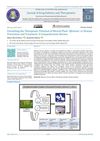
May 2024 in “Journal of Drug Delivery and Therapeutics” This review examines the therapeutic potential of Aftimoon (Cuscuta reflexa), focusing on its pharmacological properties and traditional uses in Unani medicine for various ailments, and highlighting its range of biological activities, including antioxidant and anti-inflammatory effects.
 1 citations
,
February 2025 in “South Asian Research Journal of Pharmaceutical Sciences”
1 citations
,
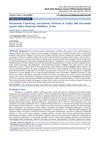
February 2025 in “South Asian Research Journal of Pharmaceutical Sciences” This study used in-silico molecular docking to evaluate the antidiabetic potential of Eclipta alba leaf flavonoids, finding that compounds like apigenin, syringic acid, and vanillic acid effectively bind to the target protein aldose reductase, suggesting a promising inhibitory action.
 1 citations
,
September 2024 in “African Journal of Biomedical Research”
1 citations
,
September 2024 in “African Journal of Biomedical Research” This review highlights the therapeutic potential of Curcuma longa and Dalbergia sissoo, noting their antioxidant, anti-inflammatory, and anticancer activities, but emphasizes the lack of studies on their combined effects and suggests future research could enhance therapeutic outcomes.
 1 citations
,
November 2023 in “Naunyn-Schmiedeberg's archives of pharmacology”
1 citations
,
November 2023 in “Naunyn-Schmiedeberg's archives of pharmacology” This review focused on the bioactive compounds and pharmacological properties of Lawsonia inermis (henna) and found that it contains various beneficial compounds with potential therapeutic applications, such as antioxidant and anti-inflammatory effects, indicating a need for further investigation into its medical benefits.