 37 citations
,
May 2016 in “Deutsches Arzteblatt International”
37 citations
,
May 2016 in “Deutsches Arzteblatt International” This review outlines various causes and manifestations of hair loss, highlighting that each type has distinct underlying mechanisms and requires specific treatment approaches, without reporting new clinical results.
This study characterized the physical-chemical properties of Eclipta alba and identified compounds in the plant that could support its use in developing hair loss treatments.
 11 citations
,
May 2009 in “Medical Hypotheses”
11 citations
,
May 2009 in “Medical Hypotheses” This paper proposes a theory explaining how the normal anabolic effects of androgens lead to structural changes and hair follicle miniaturization, contributing to androgenic alopecia.
In this study assessing post-menopausal Asian women, distinct shifts in Malassezia species prevalence on the skin were linked to increased inflammation and impaired skin barrier function, potentially driving disorders like psoriasis and seborrheic dermatitis.
 May 2024 in “Journal of cosmetic dermatology”
 This study investigated the effects of heat-treated Limosilactobacillus fermentum LM1020 on hair growth and reported increased hair density, improved cellular activity, and beneficial scalp microbiota changes in patients with androgenetic alopecia over 24 weeks.
28 citations
,
October 1987 in “PubMed” This study found that treating Tradescantia stamen hair cells with LiCl disrupts mitotic progression, leading to metaphase arrest, which can be reversed by myo-inositol or CaCl2 addition.
 9 citations
,
June 2011 in “International Journal of Cosmetic Science”
9 citations
,
June 2011 in “International Journal of Cosmetic Science” This study found that a commercially available shampoo significantly increased hair counts and reduced hair shedding in Korean subjects with alopecia over 16 weeks.
July 2026 in “Journal of the American Academy of Dermatology”  April 2021 in “The journal of investigative dermatology/Journal of investigative dermatology”
 This study found that a shampoo containing a 6-active ingredient complex increased β-Catenin production in human hair follicle dermal papilla cells to levels comparable to Finasteride, suggesting potential for promoting hair growth. It also showed good cleaning efficacy, volume, and shine in a sensorial study.
 3 citations
,
July 2019 in “Journal of Cosmetic Dermatology”
3 citations
,
July 2019 in “Journal of Cosmetic Dermatology” This study found that a shampoo with a selective TAAR agonist reduced hair shedding during brushing by 31% in women and contracted the arrector pili muscle.
August 2019 in “Journal of the American Academy of Dermatology” The shampoo helps reduce hair loss and improves Minoxidil® absorption.
December 2024 in “Proceeding International Collaborative Conference on Multidisciplinary Science” In this study, researchers developed a shampoo using ambon banana peel and green tea leaves, reporting that it showed positive characteristics and was safe for addressing hair loss, with optimal viscosity levels achieved in certain formulations.
 April 2023 in “Journal of Investigative Dermatology”
 This study found that ALRN-6924 effectively protected human hair follicles from cyclophosphamide-induced damage in an ex vivo setting, suggesting it may reduce both acute and permanent chemotherapy-induced alopecia.
January 2002 in “China Surfactant Detergent & Cosmetics” This study compared shampoos and found that shampoo D, containing polyquaternium-10, guar gum, and dimethicone, was most effective in restoring chemically permed hair.
1 citations
,
November 2022 in “Journal of Investigative Dermatology” This study found that ALRN-6924, a clinical-stage dual inhibitor, can selectively protect human scalp hair follicles from paclitaxel-induced toxicity and damage by inducing transient cell cycle arrest in healthy cells without affecting cancer cells, potentially reducing chemotherapy-induced alopecia.
 January 2015 in “Journal of clinical and investigative dermatology”
 This study found that clipping is the most effective method for anagen synchronization in adult rat models to mimic chemotherapy-induced alopecia, producing robust anagen phases without causing skin trauma.
July 2024 in “Journal of Investigative Dermatology” A peptide in shampoo can promote hair growth and improve hair condition.
 24 citations
,
November 2013 in “Trends in pharmacological sciences”
24 citations
,
November 2013 in “Trends in pharmacological sciences” This article describes a potential novel approach to reduce chemotherapy-induced hair loss by enhancing the expression of specific transporters in hair follicles, but reports no clinical results.
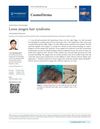 February 2023 in “Cosmoderma”
 Loose anagen hair syndrome causes easily shed hair but usually improves with time.
5 citations
,
August 2016 in “International Journal of Cosmetic Science” In this in-vitro study, researchers found that shampoo-induced coacervates structurally resemble cationic polymers and contain anionic surfactants that may stimulate the scalp upon exposure to water.
1 citations
,
June 1999 in “American Journal of Contact Dermatitis” This review discusses the choice and formulation of medicated and cosmetic shampoos for scalp disorders and hair aesthetics, providing guidelines based on hair types and patient age, and reports no new results.
25 citations
,
January 2019 in “Journal of Pharmacy And Bioallied Sciences” This study concluded that the formulated polyherbal shampoo is a chemical-free product with nourishing, conditioning, cleansing, and antimicrobial effects.
January 2011 in “Archivio Istituzionale della Ricerca (Universita Degli Studi Di Milano)” This study found that a combination of spermidin, rutine, and zeaxantine effectively reduced staurosporin-induced apoptosis in cultured hair follicle dermal papilla cells, potentially preventing the regression phase in the hair follicle cycle.
5 citations
,
October 2020 in “Giornale italiano di dermatologia e venereologia” This study found that a phyto-caffeine-containing shampoo was more effective than a control shampoo in reducing hair loss and improving hair strength in women with androgenetic alopecia over a 6-month period.
February 2026 in “Clinical Cancer Research” This study found that combining the PAXMAN scalp cooling system with HairRepro MEDI α lotion led to a 50% success rate in reducing chemotherapy-induced alopecia and achieved complete hair regrowth by 3 months in Japanese breast cancer patients, suggesting enhanced efficacy over scalp cooling alone.
This abstract discusses telogen effluvium, a type of hair loss that can occur after pregnancy or extreme stress, and the authors mention a shampoo product that is claimed to help prevent or recover from this condition.
 October 2014 in “Cancer Research”
 This study observed that applying a GMP-grade botanical extract to the scalp increased Bcl-2 levels, potentially preventing premature hair follicle apoptosis in chemotherapy and radiotherapy-induced alopecia.
This study conducted a pre-formulation evaluation of a caffeine shampoo for androgenic alopecia treatment, finding that the formulation remains stable under various conditions, suggesting its viability for compounding.
August 2021 in “Journal of the American Academy of Dermatology” This study reported that an anti-hair loss shampoo containing six active ingredients activated the Wnt/β-catenin pathway in human hair follicle dermal papilla cells in vitro.
1 citations
,
February 2018 in “Psicologia e Saúde em Debate” This study explored the preformulation of a caffeine-containing shampoo for treating androgenic alopecia and found the formulation to be stable and viable for compounding.