 5 citations
,
September 2022 in “Antioxidants”
5 citations
,
September 2022 in “Antioxidants” This study found that the clionasterol-rich hexane fraction of Caulerpa racemosa may protect against particulate matter-induced skin damage by reducing oxidative stress and mitochondrial-mediated apoptosis in human keratinocytes and zebrafish.
4 citations
,
June 2025 in “Molecules” This review evaluates traditional uses, phytochemical profiles, and pharmacological activities of Mediterranean Erica species, revealing the wide range of bioactive compounds and highlighting their antioxidant, anti-inflammatory, and antimicrobial activities. Further studies are suggested to fully understand their medicinal potential.
4 citations
,
January 2021 in “Genetics and Molecular Biology” This review discusses various strategies proposed to control COVID-19 and highlights challenges related to human and viral genetic variability but reports no new findings.
3 citations
,
October 2025 in “Biomedicines” This review of seborrheic dermatitis highlights the role of complex immunoinflammatory processes in its pathogenesis and discusses emerging treatments, such as PDE4 inhibitors, JAK inhibitors, and microbiome-targeted therapies, which may benefit patients with severe or treatment-resistant forms, according to the authors.
3 citations
,
August 2025 in “Fermentation” In this study, researchers produced a biosurfactant from yeast that effectively reduces surface tension, acts as a good oil emulsifier, demonstrates antioxidant and antimicrobial properties, and exhibits no cytotoxicity, suggesting its potential use in eco-friendly cosmetic formulations.
2 citations
,
November 2025 in “International Journal of Molecular Sciences” This review highlights that the skin microbiota plays a crucial role in wound healing, with beneficial microorganisms aiding tissue repair and opportunistic pathogens hindering it, potentially guiding future microbiome-targeted therapies.
2 citations
,
June 2025 in “MedComm – Biomaterials and Applications” This study reviews the potential of antioxidant plant compounds in improving wound healing for diabetic patients by reducing oxidative stress, controlling bacterial infections, and modulating inflammation, thereby promoting tissue regeneration and addressing key challenges in diabetic wound care.
2 citations
,
December 2023 in “Pharmaceutics” This review highlights that direct drug delivery to the lungs for treating lung cancer may offer more precise targeting while reducing side effects compared to traditional methods.
1 citations
,
December 2024 in “BMC Genomics” This study used transcriptome analysis to explore the genetic mechanisms behind the development and seasonal variation of nuptial pads in R. chensinensis, identifying key genes and processes that suggest the pads' development involves complex regulatory pathways, particularly those related to cell cycle and hormone synthesis.
 1 citations
,
July 2023 in “Frontiers in Immunology”
1 citations
,
July 2023 in “Frontiers in Immunology” This review highlights the role of chronic stress, oxidative stress, and immune processes in the development of Hashimoto’s thyroiditis and polycystic ovary syndrome, emphasizing the potential of antioxidants in their treatment based on the existing literature.
 1 citations
,
March 2023 in “Phytochemistry Reviews”
1 citations
,
March 2023 in “Phytochemistry Reviews” This review discusses the potential of CBD for treating skin disorders, the challenges of its topical administration, and current strategies to improve its application, but reports no new clinical findings.
1 citations
,
August 2022 in “Pigment Cell & Melanoma Research” This study presents two new mouse models using the CreER T2-loxP system to target and study melanocytic cells, with implications for melanoma research.
 1 citations
,
December 2021 in “Androgens”
1 citations
,
December 2021 in “Androgens” This review discusses the effects of neuroactive testosterone metabolites on CNS functions and suggests their potential as therapeutic options for neurological disorders, but reports no new clinical results.

This review identifies 1859 plant and fungal species from the Pantanal and highlights patents, mainly from South Korea, focused on extracts with antitumoral, anti-inflammatory, and cosmetic applications, but reports no new clinical results.
 March 2026 in “Molecules”
 This review reports that Dang Gui (Radix Angelica sinensis) possesses bidirectional immunoregulatory effects, enhancing immune cell proliferation and function, and may benefit immune-related diseases such as cancer and anemia. It also evaluates regulatory and safety aspects, aiming to guide future research and clinical use.
January 2026 in “Pharmaceutics” This review reports that biomaterial-based drug delivery systems show promise in overcoming the limitations of traditional therapies for pathological scars by integrating sustained drug release with minimally invasive transdermal technologies, potentially enhancing treatment efficacy for these challenging skin lesions.
January 2026 in “Dermatologic Therapy” This review indicates that while microneedling shows potential for managing androgenetic alopecia, particularly in combination with other treatments, the existing evidence is of low to moderate quality, and more robust trials are needed to confirm its clinical efficacy and safety.
December 2025 in “Cosmetics” This review synthesizes recent molecular and preclinical advances in alopecia areata and androgenetic alopecia, highlighting how interventions targeting specific intracellular signaling pathways and utilizing stem cell technologies can support precision regrowth and structural follicle reconstruction.
December 2025 in “Dietetics” This paper reviewed studies from 2019 to 2025 on the use of olive oil and other derivatives from the European olive tree for skin, hair, and nail care, noting their roles in wound healing and skin aging while highlighting a favorable safety profile.
November 2025 in “Applied Research” This review examines synthetic derivatives of curcumin for treating diabetes and cancer, reporting potential pharmacokinetic improvements and enhanced biological activity, but highlights ongoing challenges with bioavailability and stability, as well as gaps in translational research.
July 2025 in “Food Safety and Health” This study used metabolomics to identify distinctive metabolic and phenolic profiles in American ginseng (Panax quinquefolius) from various regions, revealing specific biomarkers that can help differentiate between ginseng from Northeast China, Shandong, and the United States.
 April 2025 in “International Journal of Molecular Sciences”
 In this study, exosomes derived from Iris germanica L. rhizomes (Iris-exosomes) were reported to alleviate oxidative stress and improve mitochondrial function in human follicle dermal papilla cells by activating the Wnt/β-catenin signaling pathway, suggesting potential benefits for hair loss treatment.
 April 2025 in “Nutrients”
 This study highlights conflicting evidence on the safety and efficacy of nutritional supplements for hair loss in breast cancer patients, emphasizing the need for oncologist management and further research.
 January 2025 in “Medical Research Archives”
 This review highlights the multifaceted roles of hair follicles in skin health, emphasizing their contribution to skin tumorigenesis, homeostasis, and wound healing, and how dysregulation in associated pathways like Wnt, Hedgehog, and Notch may contribute to skin cancer development.
 August 2024 in “Drug Design Development and Therapy”
 This review explores the biological applications and pharmacokinetics of decursin, a compound isolated from Angelica gigas, highlighting its potential neuroprotective, anti-inflammatory, and anticancer properties based on in vitro and in vivo studies.
August 2023 in “Fermentation” This review discusses the potential of metabolic engineering to enable sustainable industrial-scale production of L-aspartate and its derivatives, detailing current microbial production progress, limiting factors, and future prospects with emerging technologies in synthetic biology.
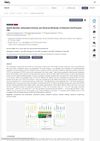
In this study, six types of cold-pressed oils commonly found in the Polish market were analyzed for their health-promoting compounds and antioxidant activity, revealing them as valuable sources of bioactive compounds like polyunsaturated fatty acids, tocopherols, sterols, and polyphenols, without exceeding recommended deterioration parameters.
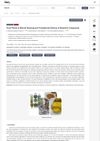
This review highlights the potential of plant-derived natural compounds as biocompatible and biodegradable materials in dermal and transdermal delivery systems, emphasizing their unexplored benefits and detailing recent advances in isolation techniques and drug delivery technologies.
May 2020 in “Authorea (Authorea)” This review discusses the diverse functions and therapeutic potential of ectopic olfactory receptors throughout the body, emphasizing their roles in various cellular processes and potential in cancer detection and therapy, but reports no new clinical results.
This abstract compiles a list of medical syndromes and conditions related to tongue abnormalities and other systemic features but reports no new research findings.