 November 2023 in “The journal of investigative dermatology/Journal of investigative dermatology”
 This study developed a questionnaire based on Andersen’s behavioral model to explore psychological well-being and mental health help-seeking behaviors among alopecia areata patients from underserved communities, aiming to better understand factors influencing their mental healthcare utilization.
September 2025 in “Journal of the American Academy of Dermatology” Ritlecitinib may help treat alopecia areata by protecting hair follicles.
April 2025 in “International Journal of Clinical & Medical Case Studies” This source explains that unlike genetic hormonal alopecia, alopecia areata is associated with inflammatory factors and may also involve psychological and genetic contributions.
 2 citations
,
October 2020 in “Journal of Investigative Dermatology Symposium Proceedings”
2 citations
,
October 2020 in “Journal of Investigative Dermatology Symposium Proceedings” This study reports promising preliminary trends in the safety and efficacy of a botanical drug candidate for pediatric alopecia areata, but conclusive results are not yet available.
 August 2025 in “Dermatology and Therapy”
 This review reports that three JAK inhibitors—baricitinib, ritlecitinib, and deuruxolitinib—have gained FDA approval for treating alopecia areata due to their demonstrated efficacy in fostering hair regrowth in clinical trials.
May 2026 in “Mendeley Data” This document provides supplementary materials for a study on the efficacy and safety of a topical siRNA-based formulation targeting DKK-1 in treating androgenetic alopecia, but reports no new findings.
 July 2022 in “Fakumi Medical Journal”
 This study found a significant association between androgenetic alopecia and both hypertension and diabetes mellitus among patients at UMI Faculty of Medicine, RS Ibnu Sina, and Menara UMI Makassar.
 June 2026 in “Preprints.org”
 This study examined the current clinical practices for diagnosing and managing alopecia areata in Poland, finding that patient care is inadequate and falls short in using validated severity tools and providing access to advanced therapies despite the availability of new medications like Janus kinase inhibitors.
14 citations
,
June 2022 in “British Journal of Dermatology” This study found that the Alopecia Areata Symptom Impact Scale (AASIS) is a better tool than the Alopecia Areata Quality of Life Index (AA-QLI) for assessing patient-reported outcomes in alopecia areata.
1 citations
,
April 2024 in “JAAD International” This study found that patients with alopecia areata have significantly higher medication adherence than those with atopic dermatitis, potentially due to the stability and controllability of alopecia areata symptoms.
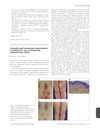 6 citations
,
February 2016 in “British Journal of Dermatology”
6 citations
,
February 2016 in “British Journal of Dermatology” A woman with a drug allergy to anakinra was successfully desensitized, allowing her to continue treatment without allergic reactions.
June 2026 in “JAAD Case Reports” research Hair
May 2024 in “Australasian Journal of Dermatology” This study assessed the psychosocial impact and disease burden of alopecia areata among adolescents and adults in Australia, finding substantial impacts on physical, emotional, and quality of life overall, with greater disease burden in patients experiencing more extensive hair loss.
 August 2025 in “International Journal of Research in Dermatology”
 This case report highlights an atypical presentation of acrodermatitis enteropathica in an 18-year-old male, exhibiting symptoms like erythrokeratoderma variabilis with a positive response to high-dose oral zinc, underscoring the importance of considering zinc deficiency in unusual skin conditions.
 8 citations
,
January 2008 in “Annals of Dermatology”
8 citations
,
January 2008 in “Annals of Dermatology” This study concluded that combining systemic cyclosporine A with low-dose corticosteroids effectively treats severe alopecia areata while maintaining safe cyclosporine A levels in the blood.
174 citations
,
July 2003 in “The Journal of Clinical Endocrinology & Metabolism” This study investigated genetic and phenotypic characteristics of androgen insensitivity syndrome in individuals with a 46,XY karyotype, documenting a range from complete to partial insensitivity.
May 2025 in “OPAL (Open@LaTrobe) (La Trobe University)” This study revealed that tofacitinib may inhibit CD8+ T cell infiltration in alopecia areata by modulating the linoleic acid metabolism-Mg2+ pathway, providing new insights for potential treatments and diagnosis.
12 citations
,
May 2016 in “British Journal of Dermatology” This report describes a rare case of epidermolysis bullosa acquisita in a child developing during therapy with squaric acid dibutyl ester for alopecia areata, suggesting a possible link between the medication and disease onset.
6 citations
,
January 2024 in “Frontiers in Bioengineering and Biotechnology” This study developed a smart PVA-TPE/HA-AMP/SF/ALG wound dressing that shows promise in infected wound healing by providing bacterial resistance, promoting cell proliferation, and modulating inflammation through various signaling pathways, potentially reducing scar formation.
19 citations
,
August 2023 in “Journal of Dermatological Treatment” This case study reports that abrocitinib therapy led to clinical remission of alopecia universalis in a patient with a history of drug-induced DRESS, suggesting its potential as a treatment option.
July 2026 in “Journal of the American Academy of Dermatology” JAK inhibitors help regrow eyebrow and eyelash hair and improve anxiety and depression in some alopecia areata patients.
29 citations
,
December 1953 in “Journal of Investigative Dermatology” 1 citations
,
March 2025 in “Skin Appendage Disorders” This literature review on JAK inhibitors reports that ocular side effects are rare but could be significant, with an inability to establish a causal link. Clinicians are advised to monitor such adverse events and report them to drug safety agencies.
 April 2016 in “Journal of The American Academy of Dermatology”
 This case report highlights that new nonscarring alopecia after transplantation may indicate chronic graft-vs-host disease, with dermatologists playing a key role in diagnosis and treatment.
 January 2012 in “The Year book of dermatology”
 This study found that women with late onset acne have fewer comedones and acne lesions compared to those with early onset, despite no differences in P. acnes density or sebum secretion.
July 2026 in “JEADV Clinical Practice” This study found that the SAAD-41 is a validated tool for assessing psychosocial outcomes in individuals with alopecia areata, showing strong correlations with established measures of quality of life and coping.
 November 2024 in “Journal of Cosmetic Dermatology”
 This study found that baricitinib, a Janus kinase inhibitor, was more effective than traditional treatments for severe alopecia areata, with higher rates of significant hair regrowth after 6 months, despite mild-to-moderate side effects and some instances of weight gain.
3 citations
,
July 2025 in “Clinical and Experimental Dermatology” This study reported that patients with alopecia areata treated with ritlecitinib in a real-life setting had a higher rate of positive response on the Severity of Alopecia Tool score compared to those in the ALLEGRO trial.
 223 citations
,
September 2018 in “Rheumatology”
223 citations
,
September 2018 in “Rheumatology” This review examines clinical data on the efficacy and safety of JAK inhibitors used for immune-mediated conditions beyond rheumatoid arthritis, highlighting their potential therapeutic roles in various inflammatory diseases.
March 2026 in “Actas Dermo-Sifiliográficas” This consensus document, developed by 23 dermatologists using a Delphi method, aims to guide the management of alopecia areata by providing structured recommendations for various stages of the condition, following expert opinion and scientific evidence.