 73 citations
,
July 2016 in “Cosmetics”
73 citations
,
July 2016 in “Cosmetics” This review discusses the use of mushrooms and their bioactive compounds in cosmeceuticals and nutricosmetics and reports no new clinical findings, highlighting potential areas for future research and development.
 54 citations
,
January 2023 in “Signal Transduction and Targeted Therapy”
54 citations
,
January 2023 in “Signal Transduction and Targeted Therapy” This review examines integrins as pharmacological targets, discussing current integrin-based therapies and emphasizing the need to understand integrin mechanisms for successful drug development, without reporting new clinical results.
 51 citations
,
April 1999 in “The Journal of Steroid Biochemistry and Molecular Biology”
51 citations
,
April 1999 in “The Journal of Steroid Biochemistry and Molecular Biology” This review examines androgen replacement therapy in women for treating androgen deficiency symptoms and reports no new clinical results, while noting potential safety within a specific dose range.
 46 citations
,
May 2009 in “Maturitas”
46 citations
,
May 2009 in “Maturitas” This study found that taking a daily oral dose of 50mg DHEA for one year had no significant impact on blood lipids, insulin sensitivity, or the endometrium in postmenopausal women with low libido.
 39 citations
,
June 2017 in “Journal of Applied Research on Medicinal and Aromatic Plants”
39 citations
,
June 2017 in “Journal of Applied Research on Medicinal and Aromatic Plants” This review examines around 68 plant sources from six major plant families, assessing their scientific rationale and use by the cosmeceutical industry for applications like anti-ageing and sun protection.
35 citations
,
August 2016 in “Experimental Dermatology” This viewpoint essay discusses the potential of fullerene C60 derivatives as novel treatment agents in dermatology, highlighting their ability to act as both radical scavengers and oxygen radical generators.
 30 citations
,
November 2013 in “PLOS ONE”
30 citations
,
November 2013 in “PLOS ONE” This study found that androgen/androgen receptor signaling accelerates premature senescence in dermal papilla cells, highlighting a potential target for treating androgenetic alopecia.
26 citations
,
January 2024 in “Gels” This review highlights advancements in nanoemulgel platforms for topical and transdermal drug delivery, noting their improved safety and efficacy over conventional treatments in in vitro and in vivo studies, specifically for conditions like skin diseases and inflammatory issues.
 14 citations
,
January 2016 in “Elsevier eBooks”
14 citations
,
January 2016 in “Elsevier eBooks” This article discusses the benefits of liposomes in cosmetic formulations, including enhanced hydration and protection for dry skin, but reports no new experimental findings.
 13 citations
,
January 2018 in “Cellular Physiology and Biochemistry”
13 citations
,
January 2018 in “Cellular Physiology and Biochemistry” This study found that UVB irradiation alters skin stem cell niches leading to signs of photoaging, which may be reversed by adipose-derived stem cells through BMP4 pathway modulation and niche remodeling.
8 citations
,
January 2012 This review compiles scientific evidence on the effects of green tea polyphenols on cosmetic issues like aging and acne, but reports no new clinical results.
 4 citations
,
March 2023 in “Journal of Cosmetic Dermatology”
4 citations
,
March 2023 in “Journal of Cosmetic Dermatology” This narrative review discusses carboxytherapy, highlighting its potential benefits in treating various dermatologic and cosmetic conditions such as skin aging, cellulite, and alopecia. Reportedly, this minimally-invasive treatment facilitates skin rejuvenation through vasodilatation and collagen reorganization.
3 citations
,
April 2022 in “Research Square (Research Square)” In this study, the researchers identified a PBX1-SIRT1-PARP1 axis that plays a crucial role in reducing senescence and apoptosis in hair follicle-derived mesenchymal stem cells.
2 citations
,
January 2019 in “Zenodo (CERN European Organization for Nuclear Research)” This review highlights that various herbal plant compounds, like those from aloe vera and turmeric, offer effective and safe benefits for skin care, anti-aging, and dandruff treatment, without adverse reactions commonly linked to synthetic cosmetics, as reported by this source.
1 citations
,
January 2025 in “Anais Brasileiros de Dermatologia” This study conducted a narrative review of literature to identify non-pharmacological treatment solutions and strategies that might mitigate the negative impact of the exposome—factors like UV radiation, pollution, and lifestyle choices—on hair health.
 1 citations
,
January 2023
1 citations
,
January 2023 This article reviews the potential benefits of functional foods and natural products for skin and hair health but presents no new clinical findings.
 1 citations
,
December 2005 in “Therapeutische Umschau”
1 citations
,
December 2005 in “Therapeutische Umschau” This article reviews anti-aging strategies in dermatology, emphasizing the role of skin as a model for studying aging and promoting preventive and therapeutic interventions, but it does not present new findings.
 1 citations
,
January 1989 in “Journal of The American Academy of Dermatology”
1 citations
,
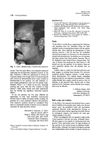
January 1989 in “Journal of The American Academy of Dermatology” The conclusion is that proper communication about the realistic effects of hair loss and skin aging treatments can improve dermatologists' credibility.

This review identifies 1859 plant and fungal species from the Pantanal and highlights patents, mainly from South Korea, focused on extracts with antitumoral, anti-inflammatory, and cosmetic applications, but reports no new clinical results.
 March 2026 in “Journal of Zhejiang University (Medical Sciences)”
 This study reported that in mice with rapamycin-induced thymic atrophy, Angelica sinensis promoted thymic cortical regeneration and functional recovery by activating the Wnt/CTNNB1/Foxn1 signaling pathway and improving inflammatory microenvironment, suggesting its potential benefit against immune aging.
February 2026 in “Journal of the American Academy of Dermatology” Estrogen is not recommended for menopausal hair loss due to insufficient evidence.
 December 2025 in “Nature Communications”
 In this study using mouse models, researchers found that elevated IL-17a in aged olfactory epithelium impairs olfactory function, while IL-17a inhibition promotes regeneration and mitigates age-related decline.
 October 2025 in “Editora Pasteur eBooks”
 The abstract discusses the multidisciplinary nature and advancement of dermatology and aesthetic procedures within the health sciences, emphasizing the integration of diagnostic, corrective, preventive, and therapeutic approaches, but does not provide specific study results.
September 2025 in “Molecules” This study found that Camellia oleifera leaf extracts, especially the 50% ethanolic extract, have significant antioxidant activity and may offer promising bioactive compounds for cosmetic and pharmaceutical uses.
 July 2025 in “Current Stem Cell Research & Therapy”
 This analysis found that mesenchymal stem cell-derived exosomes show potential as a safe and effective treatment for various skin and subcutaneous tissue diseases.
 June 2025 in “Aesthetic Cosmetology and Medicine”
 This article reviews the potential uses of PDRN in regenerative and aesthetic medicine, noting promising results in various treatments but highlighting the need for further long-term studies to confirm their safety and effectiveness.
May 2024 in “NATIONS UNIVERSITY INTERNATIONAL JOURNAL OF MULTI-DISCIPLINARY STUDIES” This study aimed to determine the phenolic compound composition in Equisetum arvense stem extracts using HPLC, as the plant is commonly used in cosmetics for skin and hair care, but results are not reported here.
 March 2024 in “Journal of Microbiology and Biotechnology”
 This study suggests that phloroglucinol may enhance anagen signaling and reduce oxidative stress-induced damage in human dermal papilla cells, offering a potential therapy for hair loss.
May 2022 in “Zenodo (CERN European Organization for Nuclear Research)” This article discusses the benefits of aloe vera gel and shampoo for skin and hair care, highlighting its potential soothing, cleansing, and moisturizing properties, but provides no new clinical evidence.
 April 2018 in “Journal of Investigative Dermatology”
 This study found that inhibiting NF-κB Essential Modulator (NEMO) in senescent murine dermal fibroblasts successfully reduced key factors associated with the senescence associated secretory phenotype (SASP), highlighting its potential as a therapeutic target for aging-related diseases.