
This study reported that women with acanthosis nigricans and insulin resistance often exhibit signs of hyperandrogenism, including hirsutism, and have elevated fasting plasma insulin compared to controls.
 7 citations
,
January 2016 in “Clinical Hemorheology and Microcirculation”
7 citations
,
January 2016 in “Clinical Hemorheology and Microcirculation” In this study, patients with androgenetic alopecia showed no difference in insulin resistance or prevalence of metabolic syndrome but had higher cardiovascular risk due to increased inflammatory markers and lipoprotein(a) levels.
January 2025 in “Digital Repository (National Repository of Grey Literature)” In this study, analysis of questionnaire data from over 111,000 respondents revealed that red hair is significantly associated with a higher level of mental health problems in both men and women, while red-haired women also exhibited poorer overall physical health.
 January 2025 in “International Journal of Trichology”
 This study found that patients with androgenetic alopecia had significantly higher COVID-19 severity compared to matched controls, suggesting a potential link between androgen pathways and disease severity. The authors suggest further research to validate this hypothesis and explore antiandrogen treatments for managing COVID-19 severity.
June 2026 in “Journal of Applied Animal Welfare Science” This study found that social hair plucking in captive rhesus macaques is linked to alopecia and possibly relates to stress in females.
 January 2024 in “Wiadomości Lekarskie”
 This study reports that Abelson Interactor 1 (ABI1) regulates androgen receptor transcription in prostate cancer, identifying it as a potential target for new therapies addressing treatment resistance.
 50 citations
,
December 2008 in “Clinical Endocrinology”
50 citations
,
December 2008 in “Clinical Endocrinology” This study found that young males with stage III or higher androgenetic alopecia had higher insulin resistance and cardiovascular-related features, suggesting the need for metabolic assessment in this population.
5 citations
,
August 2022 in “International Journal of Women s Health” Women with hyperandrogenism, especially those with PCOS, are more likely to have psychiatric disorders.
4 citations
,
January 2015 in “Indian Journal of Dermatology” This study reports that severe androgenic alopecia prevalence in young Caucasian men increases with age, varies by region, and that body mass index may be a risk factor.
 March 2020 in “Journal of Cosmetic Dermatology”
 This letter to the editor discusses patient perspectives on androgenetic alopecia treatment at a tertiary dermatology center in Singapore, though results or specific findings are not reported in the abstract.
May 2022 in “Hormones and behavior” This study found that hair cortisol levels in black-tailed prairie dogs, influenced by factors like predation risk and lactation, were associated with reproductive success, supporting the Cort-Adaptation hypothesis.
 32 citations
,
July 2020 in “Journal of The American Academy of Dermatology”
32 citations
,
July 2020 in “Journal of The American Academy of Dermatology” This study noted that among hospitalized COVID-19 patients, androgenetic alopecia was prevalent, and severe cases were associated with adverse outcomes such as respiratory failure, highlighting a possible link with androgen sensitivity.
7 citations
,
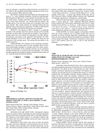
January 2013 in “Egyptian Journal of Dermatology and Venereology” This study found that male patients with androgenetic alopecia had significantly higher aldosterone levels and blood pressure compared to controls, suggesting a possible link between AGA and hypertension.
 March 2010 in “The Journal of Urology”
 This study found that men with early-onset androgenetic alopecia had larger prostate volumes and lower urinary flow rates compared to those without the condition, suggesting a potential link between AGA and urinary symptoms.
March 1997 in “The Lancet” Hirsutism is abnormal male-pattern hair growth in females due to excess androgens.
January 2025 in “Arquivo Brasileiro de Medicina Veterinária e Zootecnia” In this study, researchers observed that telogen hair was more prevalent than anagen hair in both male and female agoutis over a one-year period in Teresina-PI, regardless of dry or rainy seasons, with no significant differences in dermal follicular volume between the sexes.
 28 citations
,
August 2011 in “Journal of The American Academy of Dermatology”
28 citations
,
August 2011 in “Journal of The American Academy of Dermatology” This study found that men with early-onset androgenetic alopecia had significantly larger prostate volumes and lower urinary flow rates compared to healthy controls, suggesting a possible link between AGA and prostate-related urinary symptoms.
2 citations
,
January 1990 January 2015 in “Journal of North Sichuan Medical College” This study analyzed a familial case of androgenetic alopecia over five generations, finding that its inheritance pattern aligns with sex-influenced and delayed dominance and links life habits with severity.
This study revealed that Thai youths who are more worried about androgenetic alopecia tend to experience higher severity of the condition, poorer quality of life, and increased use of multiple hair styling products.
 37 citations
,
April 2012 in “British Journal of Dermatology”
37 citations
,
April 2012 in “British Journal of Dermatology” This study found that among middle-aged Korean women, those with metabolic syndrome had a higher risk of androgenetic alopecia, while no significant association was observed in men.
January 2021 in “Brazilian Journal of Development” This study found that women with androgenic alopecia in Patos, Brazil, experienced significant psychological and social impacts, including feelings of frustration, low self-esteem, and social withdrawal.
 26 citations
,
December 2002 in “International Journal of Dermatology”
26 citations
,
December 2002 in “International Journal of Dermatology” This study found that in Korea, nonbald individuals perceive balding men as older and less attractive, with women more likely than nonbald men to view them as less attractive.
January 2009 in “China Practical Medicine” This study found that several genes, including capping protein, palladin, VEGF, and HSPC-related clones, might cooperatively influence the aggregation, proliferation, and cycle control of dermal papilla cells, potentially affecting hair follicle behavior.
 38 citations
,
November 2013 in “Journal of The American Academy of Dermatology”
38 citations
,
November 2013 in “Journal of The American Academy of Dermatology” This study found that higher BMI was significantly associated with more severe hair loss in men with male-pattern and early-onset androgenetic alopecia.
 July 2023 in “Journal of Cosmetic Dermatology”
 This study investigated AGA professionals' perspectives and found that 42% were misled by commercial influences, underestimated these biases' extent, and faced ethical challenges in treatment due to societal pressures and misinformation, highlighting a need for evidence-based guidance and research scrutiny tools.
 35 citations
,
October 2006 in “Journal of Dermatology”
35 citations
,
October 2006 in “Journal of Dermatology” This study outlines the clinical features of androgenetic alopecia in Korean adolescents, finding milder symptoms compared to adults and a high occurrence of family history, with normal hormone levels.
 15 citations
,
October 2017 in “Clinics in Dermatology”
15 citations
,
October 2017 in “Clinics in Dermatology” This article reviews risk factors and warning signs of elder abuse in different settings, emphasizing the importance of dermatologists in correctly identifying potential abuse injuries, but presents no new clinical findings.
5 citations
,
June 2011 in “InTech eBooks” This review discusses the role of S100B protein in melanoma progression and its potential as a prognostic marker, reporting no new clinical findings; further studies are needed.
November 2025 in “OPAL (Open@LaTrobe) (La Trobe University)” This study found that patients with androgenetic alopecia experience significantly higher symptoms of anxiety, depression, stress, and body image dissatisfaction compared to non-AGA controls, along with generally reduced self-esteem and life satisfaction.