 April 2025 in “Archives of Dermatological Research”
 In this study, the combination of CO2 fractional laser therapy with Bimatoprost 0.03% was found to be more effective in promoting hair regrowth in Alopecia Areata patients than laser therapy alone, with higher response rates and minimal adverse effects reported.
 7 citations
,
March 2021 in “Journal of the American Academy of Dermatology”
7 citations
,
March 2021 in “Journal of the American Academy of Dermatology” This study observed that some children and young adults with alopecia areata experienced flares during long-term tofacitinib treatment, despite initial successful hair regrowth.
 2 citations
,
January 2022 in “Skin research and technology”
2 citations
,
January 2022 in “Skin research and technology” In this study, optical coherence tomography detected hair follicles at the dermoepidermal junction not visible on the scalp surface in alopecia areata patients, suggesting OCT may help monitor treatment response.
 February 2024 in “Skin research and technology”
 The researchers in this study identified molecular mechanisms involved in frontal fibrosis alopecia, highlighting immune response and fatty acid metabolism, and developed a four-gene diagnostic model showing high accuracy in distinguishing affected individuals from controls.
This article discusses the effects of ablative carbon dioxide laser treatment for skin rejuvenation, noting it requires only a single treatment but involves more complex postoperative management, without reporting new clinical outcomes.
114 citations
,
October 2006 in “Journal of the European Academy of Dermatology and Venereology” In this study, clobetasol propionate foam demonstrated effectiveness and good patient compliance as a safe topical treatment for moderate to severe alopecia areata, with significant hair regrowth compared to placebo.
July 2024 in “Journal of Investigative Dermatology” Linalool in fragrances may harm hair follicles and contribute to hair loss.
 February 2024 in “Scientific reports”
 This study identified four ferroptosis-related genes, SLC40A1, LCN2, CREB5, and SLC7A11, as potential diagnostic markers for alopecia areata, revealing reduced expression in affected patients compared to controls, with a predictive model showing high accuracy in differentiating the condition.
April 2024 in “Al-Azhar International Medical Journal /Al-Azhar International Medical Journal” In this study, vitiligo patients treated with a combination of fractional CO2 laser or microneedling followed by topical 5-Fluorouracil experienced more effective and safe outcomes compared to using either method alone.
 April 2023 in “The journal of investigative dermatology/Journal of investigative dermatology”
 This study revealed distinct cellular and transcriptomic differences among various subtypes of cutaneous T-cell lymphoma, particularly highlighting characteristics unique to folliculotropic mycosis fungoides.
January 2025 in “Analytical Methods” This study reports the development of a fluorescent ionic liquid that shows high sensitivity and selectivity for detecting dextran sulfate sodium, with potential applications in clinical diagnostics and environmental monitoring.
36 citations
,
February 1998 in “Journal of Anatomy” This study used fibre optic confocal imaging to visualize subsurface structures in live mouse skin, revealing cellular details and blood vessel networks that dynamic events could be studied in vivo.
 7 citations
,
January 2019 in “Australasian Journal of Dermatology”
7 citations
,
January 2019 in “Australasian Journal of Dermatology” In this study, the CYP 21A2 gene p.V281L mutation was associated with an increased susceptibility to familial frontal fibrosing alopecia, suggesting an antigen-driven mechanism linked to certain human leukocyte antigen haplotypes.
This study explored the experiences of systemic lupus erythematosus patients receiving Anifrolumab, revealing improvements in self-reported symptoms and daily life impacts alongside decreased disease activity and lowered corticosteroid use.
April 2016 in “The journal of investigative dermatology/Journal of investigative dermatology” This study demonstrated that the Alopecia Areata Disease Activity Index (ALADIN), a new biomarker, strongly correlates with treatment response in patients using JAK inhibitors for alopecia areata.
 2 citations
,
June 2024 in “Frontiers in Plant Science”
2 citations
,
June 2024 in “Frontiers in Plant Science” This study found that RALF peptides, through liquid-liquid phase separation, form condensates with pectin and other proteins, playing a pivotal role in plant development and stress response regulation.
 26 citations
,
May 2017 in “Lasers in Medical Science”
26 citations
,
May 2017 in “Lasers in Medical Science” This study found that combining ablative fractional CO₂ laser therapy with hair growth factors significantly increased hair density in men with androgenetic alopecia compared to using growth factors alone.
8 citations
,
February 2022 in “Dermatologic Therapy” This study found that both fractional CO2 laser and cryotherapy were effective and safe treatments for alopecia areata, with the CO2 laser showing somewhat better results.
January 2014 in “Ghent University Academic Bibliography (Ghent University)” FGF18 may influence hair loss in dogs.
This abstract discusses the mechanism and effects of ablative carbon dioxide laser treatment for skin tightening, reporting no new clinical results but noting the need for involved postoperative management.
 19 citations
,
September 2009 in “Journal of Chemical & Engineering Data”
19 citations
,
September 2009 in “Journal of Chemical & Engineering Data” This study found that the solubilities of flutamide, dutasteride, and finasteride in supercritical carbon dioxide were effectively modeled using semiempirical equations by Chrastil and Bartle, with varying levels of accuracy.
 April 2023 in “Journal of Investigative Dermatology”
 This study suggests that linalool, a common allergen in personal care products, may contribute to frontal fibrosing alopecia pathogenesis by triggering immune responses and depleting hair follicle stem cells, especially in sensitized individuals.
 22 citations
,
March 1963 in “Archives of dermatology”
22 citations
,
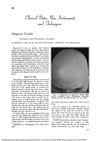
March 1963 in “Archives of dermatology” This case report describes hair regrowth in a patient with alopecia totalis using fluocinolone acetonide cream applied under thin plastic films.
 209 citations
,
March 1989 in “Journal of The American Academy of Dermatology”
209 citations
,
March 1989 in “Journal of The American Academy of Dermatology” This study found that recombinant human leukocyte interferon alfa-2a achieved a 64% overall antitumor response rate in patients with early and advanced cutaneous T cell lymphoma and was generally well-tolerated.
 3 citations
,
March 2019 in “Chinese Medical Journal”
3 citations
,
March 2019 in “Chinese Medical Journal” In this study using mice, fractional CO2 laser therapy promoted hair regrowth by inducing moderate inflammation, enhancing VEGF-mediated angiogenesis, and activating the Wnt10b signaling pathway.
January 2025 in “Dermatologic Therapy” In this study, treatment with fractional CO2 laser combined with recombinant humanized type III collagen led to significantly better improvements in atrophic acne scars compared to laser treatment with saline, attributed to collagen upregulation and MAPK pathway activation in human dermal fibroblasts.
 45 citations
,
April 2019 in “Scientific Reports”
45 citations
,
April 2019 in “Scientific Reports” This study found that Synechococcus elongatus PCC 11801 responded to increased CO2 concentrations by enhancing photosynthesis and carbon fixation while reducing other metabolic pathways, suggesting its potential for efficient CO2 capture.
23 citations
,
January 2008 in “Skin Pharmacology and Physiology” This study demonstrated that optical coherence tomography effectively detects significant changes in hair structure caused by steroid treatment, suggesting its potential use in doping control and clinical therapy monitoring.
April 2019 in “Journal of Investigative Dermatology” This study found that frontal fibrosing alopecia involves distinct molecular changes, such as downregulation of steroid and cholesterol pathways and upregulation of fibrotic and immune response genes, which may help guide treatment strategies.
 April 2024 in “Clinical and experimental dermatology”
 This retrospective study evaluated the use of tofacitinib as an induction therapy for severe alopecia areata and found it promising and comparable to the standard oral mini-pulse treatment, though pulse steroids may be considered if tofacitinib response is inadequate.