 17 citations
,
October 2006 in “Molecular and Cellular Endocrinology”
17 citations
,
October 2006 in “Molecular and Cellular Endocrinology” This study found that the L457(3.43)R mutation in the human luteinizing hormone receptor increases phosphodiesterase activity, reducing hormonal response despite elevated basal cAMP levels.
7 citations
,
October 2018 in “South African journal of botany” This study found that the plant Clausena anisata exhibited promising antimicrobial, antioxidant, and anti-inflammatory activities against acne-causing bacteria and inflammation, suggesting its potential as a candidate for further anti-acne treatment research.
This study found that Avicennia marina extract significantly increased hair growth in androgenic alopecia patients, suggesting its potential effectiveness by inhibiting 5 alpha-reductase and regulating relevant growth factors.
June 2026 in “Materials Today Bio” This study reported that a decellularized porcine amniotic membrane hydrogel can alleviate inflammation and promote tissue repair in a UVB-induced skin inflammation model, suggesting its potential as a regenerative treatment for photodamage-associated skin injuries.
 June 2026 in “Archives of Dermatological Research”
 In this study, the rs4541843 G > A variant was found to be significantly associated with increased risk and severity of alopecia areata, as well as elevated expression of hsa-miR-182-5p, suggesting their potential as molecular markers for diagnosis and severity assessment.
 11 citations
,
September 2011 in “British Journal of Dermatology”
11 citations
,
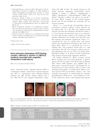
September 2011 in “British Journal of Dermatology” New ABCA12 gene mutations were linked to a skin condition with scaling and hair loss, and a treatment helped with hair loss in a related case.
 25 citations
,
November 2022 in “British journal of dermatology/British journal of dermatology, Supplement”
25 citations
,
November 2022 in “British journal of dermatology/British journal of dermatology, Supplement” In this analysis, safety data from two clinical trials showed that baricitinib for severe alopecia areata had predictable side effects like infections and elevated CPK, with some serious adverse events noted at low incidence rates; no deaths were reported.
124 citations
,
November 2000 in “The journal of investigative dermatology/Journal of investigative dermatology” This study found that human peptidylarginine deiminase type III is the predominant isoform in hair follicles and may modulate structural proteins during hair and hair follicle formation.
January 2026 in “SSRN Electronic Journal” 22 citations
,
December 2015 in “The journal of investigative dermatology/Journal of investigative dermatology” This study found that mice with a mutation in the Zdhhc13 gene exhibited increased susceptibility to skin cancer, highlighting a potential protective role of palmitoyl acyltransferase in skin carcinogenesis.
 June 2023 in “British Journal of Dermatology”
 This pilot study found that night shift workers showed fewer signs of wrinkle formation compared to day workers, but there were no significant differences in DNA amplification or collagen percentage.
 4 citations
,
February 2018 in “Jurnal teknologi”
4 citations
,
February 2018 in “Jurnal teknologi” This study found that Kaempferia galanga ethanolic extract has potential as an antifungal agent in an oil-in-water cream formulation, exhibiting stable physicochemical properties in laboratory tests.
 February 2023 in “Research Square (Research Square)”
 This study reports that a new mouse model with a CARD14 mutation successfully mimics key human PRP symptoms, and anti-IL-17A antibody significantly reduces these symptoms.
43 citations
,
November 2009 in “Archives of dermatology” This study found that alefacept showed no significant improvement in treating severe alopecia areata compared to placebo over a 24-week period.
February 2026 in “Zenodo (CERN European Organization for Nuclear Research)” This document promotes a 10% discount code on Beauty by Earth's natural skincare products, explaining how to use the code and detailing the benefits of their chemical-free offerings, without reporting new research findings.
 February 2026 in “Journal of Microbiology and Biotechnology”
 This study reported that abietic acid, derived from pine rosin, showed antimicrobial effects and reduced biofilm biomass in laboratory tests against microorganisms like Staphylococcus aureus and Candida albicans, suggesting potential further applications for skin infections.
July 2025 in “Journal of Investigative Dermatology” Ritlecitinib reduces alopecia areata symptoms by blocking JAK3/TEC signaling and T-cell activity.
June 2026 in “Advanced Healthcare Materials” This study found that engineered extracellular vesicles (293F-EGF-EV), enriched in EGF mRNA, significantly aided skin wound healing in vitro and in a rat model by promoting fibroblast activity and improving wound recovery through processes like angiogenesis and reduced scarring.
 67 citations
,
December 2019 in “PloS one”
67 citations
,
December 2019 in “PloS one” This study found that beta-caryophyllene enhanced re-epithelialization in cutaneous wounds of female mice, suggesting its potential for improving wound healing through multiple pathways.
 January 2023 in “Kafkas üniversitesi veteriner fakültesi dergisi/Kafkas üniversitesi veteriner fakültesi dergisi”
 In this study of Angora goats, researchers found that HOXC13 and other genes were overexpressed during the active hair growth phase, suggesting a role in mohair structure.
14 citations
,
March 2022 in “Plant Cell & Environment” In this study, the authors reported that AtRXR3, a phosphorus-inducible DUF506 protein, modulates root hair growth under phosphorus stress by interacting with calmodulin and influencing calcium oscillations.
 January 2013 in “Hair transplant forum international”
 This announcement previews the 21st Annual Scientific Meeting on hair restoration science and artistry, held in San Francisco in October 2013, and reports no new research results.
1 citations
,
May 2025 in “Current Issues in Molecular Biology” This study found that Centipeda minima and brevilin A significantly reduced oxidative stress and inflammation in human dermal fibroblasts, suggesting their potential to protect against skin aging and inflammation.
 1 citations
,
January 2004 in “Drugs”
1 citations
,
January 2004 in “Drugs” Ethinylestradiol/Chlormadinone Acetate is a safe and effective birth control pill that also helps regulate menstrual cycles, reduces period pain, and treats certain skin and hair conditions.
 November 2025 in “SKIN The Journal of Cutaneous Medicine”
 In this study on adolescents with severe alopecia areata, baricitinib treatment showed effective scalp, eyebrow, and eyelash regrowth after 52 weeks, benefiting both responders and partial or non-responders, potentially reducing the psychosocial impact of the disease.
This study found that niosomal aminexil was more clinically effective for hair growth than conventional aminexil solutions, and that niosomes facilitated aminexil penetration through rat skin without propylene glycol.
April 2021 in “Institutional Repositories DataBase (IRDB)” This study reported that high-intensity red LED irradiation increased osteogenic differentiation and mineralization of human bone marrow mesenchymal stem cells, potentially through Wnt/β-catenin pathway activation.
August 2015 in “Europe PMC (PubMed Central)” 2 citations
,
January 2020 in “Evidence-based Complementary and Alternative Medicine” This study found that Hataedock may alleviate atopic dermatitis symptoms in mice by maintaining skin homeostasis and improving skin barrier formation through the endocannabinoid system.
May 2009 in “Faculty Opinions – Post-Publication Peer Review of the Biomedical Literature” DHEA therapy improved pubic hair growth and psychological well-being in young females with adrenal insufficiency.