 July 2025 in “SKIN The Journal of Cutaneous Medicine”
 This study reported that ritlecitinib was generally well tolerated over 72 months in patients aged 12 and older with alopecia areata, with adverse events like headache and nasopharyngitis observed, and safety outcomes consistent with previous studies.
 11 citations
,
June 2023 in “Drug Delivery and Translational Research”
11 citations
,
June 2023 in “Drug Delivery and Translational Research” In this study, researchers developed and tested a gel containing apocynin-loaded nanoparticles that showed promising results in treating rheumatoid arthritis in rats, suggesting potential for novel topical treatments in inflammatory conditions.
 3 citations
,
January 2021 in “Jurnal Health Sains”
3 citations
,
January 2021 in “Jurnal Health Sains” This study describes the demographic distribution of seborrheic dermatitis patients in Banda Aceh, identifying an increase in male prevalence from 2016 to 2019 and varied age group prevalence across the years.
 3 citations
,
January 2008 in “Endocrine journal”
3 citations
,
January 2008 in “Endocrine journal” In this case report, the authors describe a partial androgen insensitivity syndrome patient with a novel AR gene mutation, highlighting challenges in gender assignment decisions for infants with partial AIS.
1 citations
,
November 2025 in “Journal of the American Academy of Dermatology”  January 2026 in “Journal of Materials Chemistry B”
 In this study, researchers addressed the limitations of adenosine's practical application in treating inflammation, oxidative stress, and tissue repair due to its poor water solubility and low transdermal permeability. Results are not reported in the abstract.
 February 2025 in “Intisari Sains Medis”
 This article explores the potential mechanisms by which polydeoxyribonucleotide (PDRN) could improve skin quality, slow aging, and enhance skin regeneration, but reports no new clinical findings.
 September 2019 in “Journal of Investigative Dermatology”
 In this study, dose-response modeling predicted that once-daily abrocitinib doses of 100 mg and 200 mg may provide a clinically meaningful response in treating moderate-to-severe atopic dermatitis compared to placebo.
 October 2024 in “Skin Appendage Disorders”
 This study evaluated the effects of autologous micrografts for androgenetic alopecia, reporting moderate improvements in hair loss reduction and hair density among most patients after treatment, with satisfactory results noted in patient satisfaction and treatment tolerability.
August 2024 in “Steroids” This review summarizes structural insights into androgen receptor dynamics, highlighting its flexibility in binding numerous partners, which may explain adaptive resistance mutations in cancer and loss of function in androgen insensitivity syndrome.
February 2026 in “Postgraduate Medicine” This meta-analysis reports that 5-alpha-reductase inhibitors are associated with a 31% increased risk of depression, with varying outcomes depending on the comparator group, highlighting significant heterogeneity across studies.
2 citations
,
September 2025 in “Frontiers in Endocrinology” This review critically evaluates the evidence for SARMs' tissue selectivity and suggests their clinical benefits over traditional androgens are not yet well-supported by robust evidence, underscoring the need for further head-to-head trials.
April 2026 in “World Allergy Organization Journal” This study found that allergic rhinitis is linked to a higher risk of developing androgenetic alopecia, while second-generation H1-antihistamine use was associated with a reduced risk, especially in younger patients.
 January 2016 in “Archivio italiano di urologia, andrologia”
 This article reviews treatment-induced sexual dysfunctions related to 5-alpha-reductase inhibitors and reports no new results; it highlights the need to better define and understand this controversial topic.
 1 citations
,
January 2022 in “Journal of Biosciences and Medicines”
1 citations
,
January 2022 in “Journal of Biosciences and Medicines” This review discusses the roles of androgens and androgen receptor in skin diseases like acne and hirsutism, and highlights the promise of antiandrogen drugs, reporting no new clinical findings.
January 2009 in “ScholarlyCommons (University of Pennsylvania)” This study provided the first X-ray crystal structure of the mammalian steroid hormone reductase AKR1D1 and identified a disease-related mutant, P133R, which may impact bile acid metabolism and cause clinical symptoms.
 3 citations
,
March 2018 in “European Urology Supplements”
3 citations
,
March 2018 in “European Urology Supplements” This study found that Finnish men using 5-alpha-reductase inhibitors before or after bladder cancer diagnosis had improved disease-specific survival compared to non-users, suggesting potential benefits of the treatment.
 38 citations
,
December 2009 in “Therapeutic Advances in Medical Oncology”
38 citations
,
December 2009 in “Therapeutic Advances in Medical Oncology” This discussion proposes a model to incorporate patients with hormone-resistant prostate cancer into the existing framework by redefining hormone resistance and exploring new therapeutic approaches.
 16 citations
,
August 2011 in “Annals of Allergy Asthma & Immunology”
16 citations
,
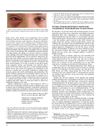
August 2011 in “Annals of Allergy Asthma & Immunology” This report describes a case of a 19-year-old woman experiencing severe recurrent angioedema with airway issues, leading to multiple emergency visits and unsuccessful treatment with typical steroid-sparing agents.
2 citations
,
May 2025 in “Journal of Clinical Medicine” This study reported that in a case series of three adolescents with alopecia areata and atopic dermatitis, treatment with 15 mg/day of upadacitinib led to rapid improvement in skin symptoms and significant hair regrowth over 12 months, with no severe adverse events observed.
 13 citations
,
November 2012 in “PubMed”
13 citations
,
November 2012 in “PubMed” This study found that in men with sexual dysfunction, use of 5ARI may reduce sexual drive and spontaneous erections without worsening pre-existing erectile or ejaculatory issues.
32 citations
,
May 2018 in “The Plant Cell” This article discusses the crucial role of root hairs in water and nutrient uptake from soil and reports no new findings.
 36 citations
,
November 2020 in “Journal of The European Academy of Dermatology and Venereology”
36 citations
,
November 2020 in “Journal of The European Academy of Dermatology and Venereology” This study found that 5-alpha-reductase inhibitors were associated with a reduced frequency of COVID-19 symptoms in males with androgenetic alopecia.
 3 citations
,
June 2023 in “Journal of cosmetic dermatology”
3 citations
,
June 2023 in “Journal of cosmetic dermatology” This study reported improvement in an 11-year-old boy with refractory alopecia areata after 4 months of treatment with oral abrocitinib, a JAK1 inhibitor, suggesting it may be a potential alternative for pediatric patients unresponsive to conventional therapies.
 4 citations
,
April 2020 in “medRxiv (Cold Spring Harbor Laboratory)”
4 citations
,
April 2020 in “medRxiv (Cold Spring Harbor Laboratory)” This case-control study from Lombardy, Italy, observed that men over 55 taking 5-alpha reductase inhibitors for benign prostatic hyperplasia were hospitalized for COVID-19 at a lower rate than age-matched controls, suggesting potential protective effects against severe disease.
 February 2024 in “Research Square (Research Square)”
 This study optimized the extraction process for abomasum protein from Tianshan red deer, identifying two proteins with anti-inflammatory and anti-tumor activities, suggesting they could be beneficial in foods and nutraceuticals.
20 citations
,
October 2005 in “Archives of Dermatological Research” 2 citations
,
December 2021 in “Korean Journal of Clinical Pharmacy”  1 citations
,
November 2008 in “Acta crystallographica”
1 citations
,
November 2008 in “Acta crystallographica” This study reports the crystallization of the human androgen receptor's ligand-binding domain with nonsteroidal ligands, which may aid in understanding the differences in binding compared to steroidal ligands.
September 2023 in “Journal of the American Academy of Dermatology”