 42 citations
,
May 2003 in “Mini-reviews in Medicinal Chemistry”
42 citations
,
May 2003 in “Mini-reviews in Medicinal Chemistry” This study found that newly synthesized steroidal trienones demonstrated stronger 5α-reductase inhibitory activity compared to dienones in various biological models, suggesting potential for developing enhanced antiandrogenic drugs.
 20 citations
,
March 2005 in “Current Medicinal Chemistry”
20 citations
,
March 2005 in “Current Medicinal Chemistry” This study reports that newly synthesized steroidal trienones exhibit higher 5α-reductase inhibitory activity than dienones in various biological models, suggesting potential use in treating androgen-dependent diseases.
January 2006 in “Benzina: Revista d'excepcions culturals” This study observed that new trienone compounds consistently showed higher 5alpha-reductase inhibitory activity compared to corresponding dienones across various biological models.
 46 citations
,
May 2011 in “Movement Disorders”
46 citations
,
May 2011 in “Movement Disorders” This article contains additional supporting information available online but presents no new research findings.
 20 citations
,
September 2016 in “Journal der Deutschen Dermatologischen Gesellschaft”
20 citations
,
September 2016 in “Journal der Deutschen Dermatologischen Gesellschaft” This review discusses the addition of skin cancer caused by UV irradiation to the list of occupational diseases in Germany and reports no new clinical results.
June 2026 in “Mendeley Data” This dataset provides additional exposure data and comprehensive analyses for a study on the long-term effects of particulate matter on androgenetic alopecia, but it presents no new findings.
 November 2021 in “International journal of research - granthaalayah”
 This study presents additional data suggesting that the absence of nerve endings in certain segments of human hair follicles influences the asymmetrical distribution of electrical charges, as indicated by no precipitation of Potassium Ferricyanide crystals.
 March 2015 in “Hair transplant forum international”
 This article discusses the addition of surgical hair restoration to Professor Rodney Sinclair's established practice, but it reports no new research results.
258 citations
,
July 2005 in “Journal of lipid research” This study found that DGAT1 exhibits additional acyltransferase activities in vitro, including MGAT, wax synthase, and ARAT activities, suggesting these could be relevant to its in vivo functions.
 27 citations
,
August 2024 in “Frontiers in Pharmacology”
27 citations
,
August 2024 in “Frontiers in Pharmacology” This study identified both known and additional potential adverse reactions to tralokinumab in real-world use for atopic dermatitis, highlighting the importance of monitoring adverse events, especially in the first month of treatment.
August 2026 in “JURNAL ILMU KEFARMASIAN INDONESIA” This study found that the addition of SPACE peptide significantly enhanced the penetration of amniotic membrane stem cell metabolites in mice, with only very mild irritation observed.
 May 2025 in “Journal of Cosmetic Dermatology”
 This study observed that the addition of Cuticapil Stem Hair Serum to standard care significantly improved hair growth and reduced hair shedding in patients with androgenetic alopecia, demonstrating superior efficacy compared to standard care alone without any reported adverse events.
This study suggests that dermoscopy provides additional insights for diagnosing pattern alopecia in short coated dogs, beyond what is visible through standard dermatological examination.
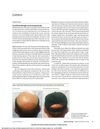 April 2016 in “JAMA Dermatology”
 This commentary highlights the importance of additional sun protection for individuals with alopecia, noting that common headwear like baseball caps may provide insufficient photoprotection for the scalp.
April 2017 in “Annales de Toxicologie Analytique” This article discusses the use of hair analysis in addiction cases, highlighting its value in providing critical information about substance use patterns, and presents no new experimental results.
 225 citations
,
April 2018 in “Journal of Investigative Dermatology”
225 citations
,
April 2018 in “Journal of Investigative Dermatology” Two main types of fibroblasts with unique functions and additional subtypes were identified in human skin.
![Comparative Oncology: Evaluation of 2-Deoxy-2-[18F]Fluoro-D-Glucose (FDG) Positron Emission Tomography/Computed Tomography (PET/CT) for the Staging of Dogs with Malignant Tumors](/images/assets/d55cf8d9-d8ee-4735-9b38-42a266b4059d/small/24322.jpg) 17 citations
,
June 2015 in “PLOS ONE”
17 citations
,
June 2015 in “PLOS ONE” This study reported that FDG PET/CT imaging provided additional information that significantly impacted the treatment and prognosis in seven out of ten canine cancer patients, suggesting its potential in veterinary oncology.
8 citations
,
October 2022 in “Dermatologic Therapy” In this study, the addition of topical latanoprost to betamethasone treatment improved the therapeutic efficacy for patients with patchy alopecia areata, showing more significant hair regrowth compared to minoxidil alone and enhanced outcomes without adverse effects.
5 citations
,
April 2025 in “Journal of Functional Biomaterials” In this study, the addition of A-PRF+ to surgical protocols significantly improved bone healing and implant stability when combined with biomaterials, suggesting it as a viable option for patients concerned about using human- and animal-derived biomaterials.
 1 citations
,
June 2021 in “Journal of Cosmetic Dermatology”
1 citations
,
June 2021 in “Journal of Cosmetic Dermatology” In this study, the addition of a SULT1A1 enzyme booster to daily 5% minoxidil treatment significantly increased hair regrowth in men with androgenic alopecia compared to minoxidil alone.
 May 2012 in “Reactions Weekly”
 A man developed hair loss from testosterone treatment but improved with additional medication.
This review suggests that stem cells might be a promising addition or alternative to standard treatments for androgenic alopecia, but larger studies are needed to confirm these findings.
December 2022 in “Clinical and experimental dermatology and therapies” In this study, the addition of a topical gel containing growth-factor mimicking oligopeptides and other ingredients showed improved efficacy in subjects with androgenic alopecia using minoxidil or finasteride compared to drug treatment alone.
8 citations
,
November 2023 in “Social Science & Medicine” This study suggests that gendered social factors, in addition to biological differences, contribute significantly to sex disparities in adverse drug event reports, with patient and event type influencing observed differences.
8 citations
,
July 2018 in “The Journal of Dermatology” In this retrospective study, researchers observed that additional rounds of intravenous corticosteroid pulse therapy led to only partial hair regrowth in some rapidly progressive alopecia areata cases, with all participants experiencing relapse, indicating limited efficacy for severe cases resistant to initial treatment.
 7 citations
,
January 2013 in “Indian Journal of Plastic Surgery”
7 citations
,
January 2013 in “Indian Journal of Plastic Surgery” This study found that beard and body hair can be used as additional donor sources for scalp transplants in androgenic alopecia, retaining their original color, curl, and calibre.
5 citations
,
June 2016 in “JAMA Dermatology” This article highlights the limited photoprotection baseball caps provide against UV radiation and recommends additional sun protection measures, especially for those at risk of androgenetic alopecia, but reports no new results.
This review concluded that 5α-reductase inhibitors like finasteride and dutasteride offer limited additional feminising effects in hormone therapy for transfeminine individuals, with the clearest use being androgenetic alopecia treatment; more research is needed for other potential benefits.
 June 2026 in “Indian Journal of Veterinary Medicine”
 This study found that dogs with alopecia treated with platelet-rich plasma in addition to conventional therapy experienced faster hair regrowth, better coat quality, and higher recovery rates compared to conventional therapy alone.
 March 2026 in “Cosmoderma”
 This clinical study found that using a cream or lotion as an additional treatment alongside standard care for atopic dermatitis significantly reduced symptoms and improved skin moisturization and barrier function within 28 days compared to standard care alone in participants with mild-to-moderate eczema.