 2 citations
,
June 2020 in “International Journal of Research -GRANTHAALAYAH”
2 citations
,
June 2020 in “International Journal of Research -GRANTHAALAYAH” This manuscript presents a hypothesis linking the intrinsic pulsating bioelectromagnetism of human hair follicles to the etiology of migraine headaches, supported by studies of inherent biomagnetism using optical microscopy techniques.
1 citations
,
February 2026 in “Journal of the American Academy of Dermatology” 1 citations
,
April 2022 in “HCA Healthcare Journal of Medicine” This article reviews 16 known cases of Blaschkoid linear lupus of the scalp, reports 2 new cases, and finds this subtype has distinct clinical and histological features that aid diagnosis.
 August 2024 in “Journal of the Korean Society of Cosmetology”
 The research reported that applying treatments with wild peach leaf extract during hair dyeing improved hair's tensile strength, thickness, gloss, and protective qualities in a concentration-dependent manner, suggesting potential for use in natural hair cosmetics.
31 citations
,
January 2001 in “PubMed” In this randomized study of male contraceptive regimens, adding finasteride did not significantly enhance spermatogenesis suppression compared to the control group.
 23 citations
,
December 2020 in “Frontiers in Cell and Developmental Biology”
23 citations
,
December 2020 in “Frontiers in Cell and Developmental Biology” This review explores recent insights into how intrinsic gene oscillations and molecular interactions in hair follicle stem cells contribute to their regenerative potential, with potential implications for regenerative medicine, but reports no new clinical results.
3 citations
,
December 2013 in “Balkan Journal of Medical Genetics” This case report highlights the use of microarray analysis to identify cryptic chromosomal rearrangements in a young woman with intellectual disability and multiple congenital anomalies.
2 citations
,
June 2011 in “Journal of the American Academy of Dermatology” Melanoma occurs more on the left side of the body, unlike other skin cancers.
1 citations
,
November 2022 in “Diagnostics” This case report identifies a 32-year-old woman with undiagnosed PHPT-1a who exhibited complete pseudo-anodontia and persistent patchy alopecia areata, suggesting these may be new nonclassical features of a GNAS pathogenic variant.
 January 2024 in “Wiadomości Lekarskie”
 This presentation explored recent developments in treating alcohol, opioid, and cannabis addiction, highlighting promising pharmacological and behavioral therapies, such as extended-release naltrexone for alcohol use and long-acting buprenorphine for opioids, alongside emerging strategies for cannabis use disorder.
February 2023 in “Cureus” This study found a significant association between the severity of male pattern baldness and increased levels of depression, loneliness, and internet addiction among male medical students with androgenetic alopecia.
 61 citations
,
June 2010 in “European Journal of Pharmaceutics and Biopharmaceutics”
61 citations
,
June 2010 in “European Journal of Pharmaceutics and Biopharmaceutics” This study found that liposomes coated with cationic polymers, chitosan and Eudragit EPO, showed improved physicochemical stability and enhanced skin diffusion of aciclovir and minoxidil compared to uncoated liposomes.
10 citations
,
September 2021 in “American Journal of Medical Genetics Part A” This study on Qatari patients with Woodhouse-Sakati syndrome highlights the high incidence and diverse clinical presentation due to a specific genetic variant, emphasizing early diagnosis for effective management.
4 citations
,
April 2022 in “Animals” This study found that environmental conditions significantly influenced rabbit coat quality, while dietary linseed oil supplementation changed the fatty acid profile but did not improve coat thickness or heat protection.
1 citations
,
October 2025 in “International Journal of Dermatology” In this study, participants receiving a 50-mg maintenance dose of ritlecitinib reported greater improvements in emotional and activity limitations due to hair loss by Week 48 compared to those on a 10-mg dose.
February 2026 in “Journal of the American Academy of Dermatology” Estrogen is not recommended for menopausal hair loss due to insufficient evidence.
 January 2024 in “Pharmaceutical medicine”
 In this study, most surveyed physicians were aware of the meningioma risk linked to cyproterone acetate monotherapy, but many did not recall receiving updated safety communications.
 9 citations
,
January 2021 in “Strahlentherapie und Onkologie”
9 citations
,
January 2021 in “Strahlentherapie und Onkologie” This case report suggests that topical St. John's wort oil may cause severe skin toxicity during radiotherapy for non-small cell lung cancer, acting as a significant radiosensitizer.
 June 2023 in “Research Square (Research Square)”
 This study demonstrated that dietary cupric citrate improved growth performance and nutrient utilization in broilers, while also altering their intestinal microbiota and increasing the pH in the duodenum and jejunum.
2 citations
,
August 2025 in “Harm Reduction Journal” This study highlights the severe health risks and dependence associated with non-medical androgen use among gym-goers, stressing the need for specialized primary care and harm-reduction strategies due to potentially fatal outcomes even after prolonged cessation.
 2 citations
,
May 2022 in “Journal of the American Academy of Dermatology”
2 citations
,
May 2022 in “Journal of the American Academy of Dermatology” This study observed that most patients with traction alopecia showed improved or stabilized hair loss with therapeutic counseling and adjunctive treatments, but follow-up was often inconsistent, highlighting the need for better awareness and management.
research Hair
3 citations
,
January 2014 in “Elsevier eBooks” This article reviews the use of hair analysis in forensic and environmental toxicology for detecting potentially toxic elements and drugs, but it reports no new research findings.
 11 citations
,
January 2016 in “Journal of clinical & experimental dermatology research”
11 citations
,
January 2016 in “Journal of clinical & experimental dermatology research” This review discusses the cutaneous manifestations associated with various substances of abuse, highlighting their importance for clinicians in recognizing and treating substance abuse disorders, and reports no new findings.
 January 2011 in “Healthcare Informatics Research”
 This study found that symptoms like dry hair, seborrheic scalps, and certain lifestyle factors correlate with hair loss in patients at hair loss clinics.
May 2007 in “Hair transplant forum international” This abstract suggests that sun damage may thin scalp tissue, potentially affecting hair transplant outcomes due to increased risk of necrosis or poor growth.
 19 citations
,
May 2011 in “Dermatologic Therapy”
19 citations
,
May 2011 in “Dermatologic Therapy” This article discusses various options for camouflaging hair loss involving the scalp, eyebrows, and eyelashes, and reports no new clinical findings.
 12 citations
,
February 2010 in “Tetrahedron Letters”
12 citations
,
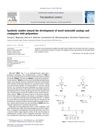
February 2010 in “Tetrahedron Letters” This article describes the synthesis of novel polyamine-modified minoxidil analogs and conjugates to potentially enhance minoxidil's biological activity, selectivity, and water solubility, but reports no new biological results.
 July 2023 in “SAS journal of medicine”
 In this study, the researchers identified traumatic styling practices, such as frequent hair straightening, as a dominant cause of alopecia among women aged 15 to 45 in a dermatology setting, noting that rural women also experienced inflammatory alopecia linked to different etiologies.
7 citations
,
October 2011 in “BMC Cancer” This study found no evidence that HDGF expression transforms melanocytes into tumors in a mouse model, although it may play a role in cell differentiation and tumor progression.
 December 2019 in “Buletin de psihiatrie integrativă”
 This article highlights the psycho-affective risks associated with aesthetic medical procedures and stresses the importance of interdisciplinary collaboration to improve care in this field, but reports no new clinical results.