8 citations
,
October 2014 in “The Journal of Dermatology” This paper reviews Satoyoshi syndrome and suggests diagnostic criteria to differentiate its subtypes, emphasizing the importance of testing alopecia areata patients for antinuclear antibodies, muscle spasms, and diarrhea.
 8 citations
,
November 1990 in “Archives of Dermatology”
8 citations
,
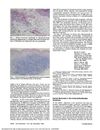
November 1990 in “Archives of Dermatology” This case report details a woman with eosinophilia-myalgia syndrome associated with L-tryptophan ingestion, highlighting skin lesions with abundant dermal mucin.
 1 citations
,
January 2010 in “Türkiye klinikleri tıp bilimleri dergisi”
1 citations
,
January 2010 in “Türkiye klinikleri tıp bilimleri dergisi” This case report describes a man with metastatic thymoma and diffuse pleural dissemination mimicking malignant mesothelioma, who also had alopecia areata without the presence of myasthenia gravis.
49 citations
,
November 2012 in “Journal of neurology, neurosurgery and psychiatry” This review discusses non-motor symptoms in patients with thymoma-associated myasthenia gravis, suggesting these symptoms, which can be treatable, often go overlooked despite affecting multiple organs.
November 2025 in “F1000Research” This study observed significant differences in skin fungal communities between healthy and alopecic cynomolgus macaques, suggesting certain microorganisms may be associated with alopecia in these primates.
20 citations
,
July 2005 in “Experimental dermatology” This study found that the fuzzy mutation in mice is linked to both structural hair defects and accelerated hair follicle cycling, influencing the regulation of hair cycle phases such as catagen and anagen.
January 2006 in “Chinese Journal of Dermatology” This study observed that amelanotic melanocytes from human hair follicles appeared morphologically immature, suggesting they might not transfer melanosomes into keratinocytes.

This article explores whether Melampus, a mythological healer, may have intentionally caused the madness of Proetus' daughters through the use of herbs, despite being credited with their cure.
 July 2025 in “The Journal of Physiology”
 This study by Moore et al. (2025) provides the first evidence linking C-tactile afferents in humans to hair follicles, showing that these nerve fibers respond to hair movement rather than skin deformation, adding complexity to the understanding of their role in emotion and touch.
 July 2023 in “Institutional Repositories DataBase (IRDB)”
 Malassezia species may contribute to hair loss in AGA patients.
64 citations
,
May 1981 in “Clinical and Experimental Dermatology” This case report describes a patient with myasthenia gravis, alopecia, and hair follicle hamartoma, showing notable similarities to a previously reported case.
 1 citations
,
November 2021 in “Biomedicines”
1 citations
,
November 2021 in “Biomedicines” This review elaborates on the concept of cutaneous mosaicism and its link to acneiform conditions, but it reports no new clinical results.
1 citations
,
January 1986 in “PubMed” This case report describes a young patient with a unique combination of dysmorphism, bullous eruption, skin and muscle atrophy, and hyperpigmentation that doesn't fit existing nosological categories.
 118 citations
,
August 2010 in “Developmental Cell”
118 citations
,
August 2010 in “Developmental Cell” This study found that the protein MIM is crucial for maintaining cilia and Sonic hedgehog signaling in mesenchymal cells by counteracting Src-mediated phosphorylation of Cortactin, impacting hair follicle formation.
328 citations
,
November 2020 in “Nature Materials” This study found that D-peptide crosslinked MAP hydrogel accelerated material degradation in vivo but significantly enhanced skin regeneration, suggesting an adaptive immune response can drive regenerative healing even with rapid scaffold breakdown.
176 citations
,
June 2019 in “Cells” This review discusses dermal cell heterogeneity in wound healing and scar formation, highlighting the varied roles of different fibroblasts and the potential of skin substitutes without presenting new clinical results.
128 citations
,
August 2020 in “Cell stem cell” In this study, researchers found that extrafollicular progenitors marked by Hic1 are the main contributors to reparative fibroblasts in wound repair, with potential to modulate healing outcomes through genetic and pharmacological interventions.
123 citations
,
January 2020 in “International Journal of Molecular Sciences” This review discusses the role of fibroblast heterogeneity in determining skin scarring versus regeneration and reports no new results, highlighting opportunities for developing antiscarring therapies.
 115 citations
,
December 2017 in “Wiley Interdisciplinary Reviews-Developmental Biology”
115 citations
,
December 2017 in “Wiley Interdisciplinary Reviews-Developmental Biology” This review discusses the origins, differentiation, and function of dermal fibroblasts in skin development and healing, reporting no new clinical results.
65 citations
,
March 2017 in “Experimental Dermatology” This review discusses the genetic and biological factors influencing hair curliness, revealing strong links to specific protein variations, and reports no new clinical results.
54 citations
,
May 2021 in “International Journal of Molecular Sciences” This review discusses recent advances in scarless wound healing research, focusing on the roles of mechanobiology and immunology, and reports no new clinical results; the authors highlight the potential of next-generation human skin equivalents in understanding these mechanisms.
40 citations
,
August 2021 in “International Journal of Molecular Sciences” This review discusses the role of fascial mobilization in wound healing and its potential implications for treating chronic skin wounds and scarring, but reports no new clinical results.
39 citations
,
August 2017 in “Annual Review of Genetics” This review discusses recent genetic approaches to understanding tissue regeneration mechanisms in vertebrates and reports no new results; it highlights objectives in identifying cellular and molecular factors involved.
32 citations
,
December 2017 in “Stem Cells Translational Medicine” This review discusses how studying regenerative biology in certain mammalian models could enhance our understanding of complex tissue regeneration, but it reports no new clinical findings.
22 citations
,
June 2024 in “Cell” Understanding tissue self-organization can improve treatments for diseases and advance regenerative medicine.
 16 citations
,
May 2015 in “Tissue Engineering Part C-methods”
16 citations
,
May 2015 in “Tissue Engineering Part C-methods” This study found that expanding hair follicle keratinocytes with a fibroblast feeder followed by short-term coculture with dermal papilla cells could restore their ability to form new hair follicles.
12 citations
,
October 2023 in “International Journal of Molecular Sciences” This review examined the pathological effects of mechanical pressure on human skin at the cellular level, highlighting how various skin cell types respond to pressure, potentially leading to pathological changes such as inflammation, ischemia, and impaired differentiation.
 9 citations
,
April 2021 in “Frontiers in Immunology”
9 citations
,
April 2021 in “Frontiers in Immunology” This review discusses the role and mechanisms of unconventional lymphocytes in promoting tissue repair and maintaining mucosal barrier integrity in the skin, gut, and lungs, but reports no new findings.
 9 citations
,
February 2021 in “Frontiers in Cell and Developmental Biology”
9 citations
,
February 2021 in “Frontiers in Cell and Developmental Biology” This review discusses the role of tissue mechanics and extracellular matrix in skin aging processes and highlights potential therapeutic strategies, but reports no new clinical results.
8 citations
,
November 2019 in “Tissue Engineering Part A” In this study, collagen scaffolds functionalized with heparin and growth factors significantly enhanced long-term skin regeneration and growth in a sheep model of fetal skin defect, suggesting potential for prenatal spina bifida treatment.