 October 2025 in “Scientia Generalis”
 In this narrative review, dysbiosis was found to potentially influence androgen metabolism and immune response, suggesting that gut microbiota balance may play a role in the prevention and treatment of androgenetic and areata alopecia.
 September 2025 in “Journal of Medical Internet Research”
 This study in Japan found that increased telemedicine use during the COVID-19 pandemic was linked to a significant reduction in both inpatient and total health care expenditures, without negatively impacting health outcomes such as mortality or common chronic condition indicators.
 September 2025 in “Ensaios USF”
 This study developed a solid shampoo formulation with conditioning properties, highlighting its feasibility and environmental benefits compared to conventional shampoos due to biodegradable packaging and no water in its composition, thus offering a sustainable alternative in the cosmetic industry.
 September 2025 in “Editora Pasteur eBooks”
 Low-dose oral minoxidil is as effective as or better than topical minoxidil for hair growth but may cause mild side effects.
 September 2025 in “Ankara Universitesi Eczacilik Fakultesi Dergisi”
 This study analyzed the therapeutic potential of various plant species for alopecia areata treatment, highlighting their possible benefits due to anti-inflammatory and immunomodulatory properties, though more research is needed to fully understand the mechanisms involved.
 September 2025 in “PLoS ONE”
 In this study, researchers found that while 16 out of 116 American Medical Association House of Delegates associations provide materials on healthcare for incarcerated individuals, there is a notable lack of practical clinical guidance, which may lead to inconsistent healthcare practices for this population.
In this case study, researchers reported a 37-year-old woman with androgenetic alopecia and chronic telogen effluvium experienced significant hair growth improvement after personalized integrative treatment, including caffeine application, following a four-month protocol incorporating various therapies.
This case report discusses a patient with female androgenetic alopecia and chronic telogen effluvium, emphasizing the importance of follicular unclogging to enhance treatment effectiveness, combining deep cleaning, caffeine application, physical stimulation, and lifestyle changes as an individualized, effective alternative to oral medications.

This study detailed a comprehensive hair therapy regimen for a 22-year-old male with androgenetic alopecia, observing significant improvements in scalp health and hair density over four months, though benefits regressed after stopping treatment, emphasizing the need for continuous adherence and multidisciplinary support.
 August 2025 in “SSP Modern Pharmacy and Medicine”
 This analytical review of alopecia treatments in the US found that drugs like minoxidil and finasteride are most affordable and effective, while newer JAK inhibitors show significant clinical results but are cost-prohibitive; the study stresses individualizing treatment based on financial capability and alopecia type.
 August 2025 in “MedScien”
 This study highlights factors contributing to increasing seborrheic alopecia among teenagers, including hormonal, lifestyle, and psychological influences, and suggests integrated treatment strategies including medication, lifestyle adjustments, and psychological interventions.
 August 2025 in “Editora Pasteur eBooks”
 Combining conventional and integrative treatments can help reduce hair loss and improve hair growth in women with androgenic alopecia.
 August 2025 in “Dermatology and Therapy”
 This study conducted a meta-analysis of gene expression data from alopecia areata patients, identifying 5109 differentially expressed genes and highlighting enriched pathways like JAK-STAT signaling, providing insights into the disease's pathogenesis and potential treatment targets.
 May 2025 in “ID on line REVISTA DE PSICOLOGIA”
 This study evaluated the effects of pumpkin seed oil and rosemary essential oil combined with electrotherapy on androgenetic alopecia in stressed young women, finding no statistically significant differences between treatment groups and suggesting further research is needed to assess the oils' efficacy.
 May 2025 in “REVISTA DA ASSOCIAÇÂO DE FARMÁCIAS VIVAS”
 This study introduced an innovative antioxidant serum for skin care, using a lipid active from Rana catesbeiana Shaw, and validated its rejuvenating potential through physical-chemical and microbiological tests that ensured its antioxidant effectiveness, microbiological safety, and formulation stability.
 May 2025 in “LUMEN ET VIRTUS”
 This study reports that perioperative nursing care for hair transplant patients improves outcomes by reducing complications and enhancing patient satisfaction, emphasizing the crucial role of nurses in managing the procedure.
 April 2025 in “Revista de Ciências da Saúde Nova Esperança”
 This review discusses the various therapeutic uses of Botulinum Toxin Type A and reports high levels of patient satisfaction with minimal adverse effects across several conditions, emphasizing its potential therapeutic importance.
 March 2025 in “Institutional Repositories DataBase (IRDB)”
 This review discusses the potential and limitations of using hair cortisol as a measure of chronic stress, noting that its effectiveness depends on recognizing patterns rather than absolute cortisol levels.

This summary highlights key contents of the latest issue of the Austrian dermatology journal, SKIN, including coverage of the ÖADF conference program, introduction of a "Phlebology Certificate," and new SKINdeep open-access articles.

This study utilized polarized light microscopy to examine hair shafts in ten children with rare genetic disorders, such as Netherton syndrome and ectodermal dysplasia, providing valuable diagnostic insights into hair thickness, composition, and structural irregularities associated with these conditions.
 January 2025 in “Advances in Dermatology and Allergology”
 This study suggests that foods and drugs containing sulfhydryl groups may induce or worsen pemphigus vulgaris.
 January 2025 in “Epsilon Archive for Student Projects (University of Southampton)”
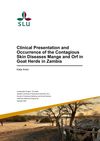
 In this study investigating goat herds in Zambia, both mange and orf were detected, but with low occurrence linked to diagnostic challenges and mild clinical signs; further research, especially in conditions favoring mange mites, is recommended to better understand and manage these diseases.
 January 2025 in “Universidad de Córdoba Insitutional Repository (Universidad de Córdoba)”
 In this study, researchers observed that individuals with alopecia areata exhibited significant changes in scalp microbiota diversity and composition, which were linked to disease severity and inflammation markers, though it remains unclear if these microbial shifts are a cause or a result of hair loss.
 December 2024 in “Turkish Journal of Forensic Medicine”
 This review examines the role and significance of next-generation sequencing technologies in forensic identification and other forensic applications, but reports no new findings.
 December 2024 in “Ankara Universitesi Eczacilik Fakultesi Dergisi”
 This review highlights Nigella sativa L. (black cumin) as a plant with numerous health benefits, noting its rich nutritional profile and reported therapeutic effects such as antioxidant and anti-inflammatory activities, identified through various in vitro, in vivo, and clinical research studies.
 December 2024 in “STUDIES IN ENGINEERING AND EXACT SCIENCES”
 In this study, solar drying of Punicagranatum was found to be the most effective, achieving a 65.26% drying rate compared to shade and convective drying methods.
December 2024 in “International Journal of Scientific Reports” This study found that OZiva+ advanced hair growth serum significantly increased hair follicle length and showed no irritation, indicating it may be a safer alternative to traditional hair loss treatments like minoxidil.
 December 2024 in “Open Repository of the University of Porto (University of Porto)”
 This study consisted of a pharmacy master's thesis detailing practical experiences during a hospital and community pharmacy internship and scientific investigations into the off-label use of dutasteride for androgenetic alopecia and oral vaccines for urinary tract infection prophylaxis, emphasizing therapeutic applications and mechanisms of action.
 November 2024 in “Open Repository of the University of Porto (University of Porto)”
 This report details a six-month internship experience, split between hospital and community pharmacy settings, which enhanced practical skills and theoretical knowledge in pharmaceutical care and highlighted the pharmacist's role in ensuring safe medication use.
 November 2024 in “RECIMA21 - Revista Científica Multidisciplinar - ISSN 2675-6218”
 In this study, a literature review concluded that minoxidil is safe and effective for treating androgenetic alopecia, with few side effects, and highlighted the role of pharmacists in optimizing treatment by monitoring use and fostering adherence.