 17 citations
,
December 2003 in “Veterinary dermatology”
17 citations
,
December 2003 in “Veterinary dermatology” In this study, mange lesions with alopecia and crusts in masked palm civets in Japan were caused by the mite Notoedres cati.
 16 citations
,
April 2012 in “Journal of mammalogy”
16 citations
,
April 2012 in “Journal of mammalogy” Among Australian fur seals at one colony, this study found that alopecia, primarily affecting juvenile females, is linked to hair shaft fractures associated with low tyrosine and zinc levels, as well as higher pollutant exposure.
 15 citations
,
March 2016 in “The American Journal of Dermatopathology”
15 citations
,
March 2016 in “The American Journal of Dermatopathology” In this study, Demodex mites were infrequently found in scalp biopsies performed for hair loss, and most cases were nonpathogenic, but a minority showed folliculitis with a strong response to metronidazole therapy.
 15 citations
,
September 1984 in “Veterinary Clinics of North America: Small Animal Practice”
15 citations
,
September 1984 in “Veterinary Clinics of North America: Small Animal Practice” The document explains various skin conditions in cats and how to diagnose and treat them.
 13 citations
,
December 2010 in “Journal of the American Veterinary Medical Association”
13 citations
,
December 2010 in “Journal of the American Veterinary Medical Association” This case study describes a young dog in Colorado diagnosed with severe leishmaniasis, suggesting potential endemic spread in the area, and notes dermatologic symptoms as a signal for consideration of the disease.
 9 citations
,
October 2012 in “Natural Product Communications”
9 citations
,
October 2012 in “Natural Product Communications” This study analyzed the essential oil from Chamaecyparis lawsoniana and found that it is rich in limonene and exhibits antibacterial and antifungal properties, particularly against Candida albicans and certain Gram-positive bacteria.
 7 citations
,
July 2015 in “Parasitology Research”
7 citations
,
July 2015 in “Parasitology Research” This study found that the imidacloprid/flumethrin collar (Seresto®) is chemically compatible with major spot-on formulations and dermally and systemically safe for adult dogs and cats when used together.
 6 citations
,
February 2015 in “Journal of parasitic diseases”
6 citations
,
February 2015 in “Journal of parasitic diseases” This case report describes a sarcoptic mange outbreak caused by Trixacarus caviae in a guinea pig breeding colony, which was successfully treated with subcutaneous ivermectin injections and preventive spraying.
 6 citations
,
January 2014 in “The Journal of Advances in Parasitology”
6 citations
,
January 2014 in “The Journal of Advances in Parasitology” This study observed that dogs with sarcoptic mange exhibited symptoms like intense itching and restlessness, along with specific haematological and biochemical abnormalities compared to healthy dogs.
 6 citations
,
April 2013 in “Assiut Veterinary Medical Journal/Maǧallaẗ Asyūṭ al-ṭibiyyaẗ al-baytariyyaẗ”
6 citations
,
April 2013 in “Assiut Veterinary Medical Journal/Maǧallaẗ Asyūṭ al-ṭibiyyaẗ al-baytariyyaẗ” This study found that 67.11% of cats treated for otitis at Assiut University's Small Animal Clinic completely recovered, with ivermectin injections and topical treatments being commonly used.
 5 citations
,
June 2022 in “Frontiers in veterinary science”
5 citations
,
June 2022 in “Frontiers in veterinary science” This review discusses the impact of sarcoptic mange on wombats and evaluates antiparasitic drugs like ivermectin, moxidectin, and fluralaner for treating the disease, but it presents no new clinical results.
 5 citations
,
April 2016 in “The American Journal of Dermatopathology”
5 citations
,
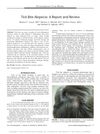
April 2016 in “The American Journal of Dermatopathology” This report describes a rare case of nonscarring alopecia linked to a tick bite on a 21-year-old male's scalp, with specific histological findings and proposed mechanisms.
 3 citations
,
October 2023 in “Frontiers in physiology”
3 citations
,
October 2023 in “Frontiers in physiology” This study reviewed competing endogenous RNA networks related to skin aging and wound healing, finding mechanisms like UVB-induced senescence and photoaging, as well as potential therapeutic targets for improving skin health and recovery.
 3 citations
,
January 2019 in “Bulgarian Journal of Veterinary Medicine”
3 citations
,
January 2019 in “Bulgarian Journal of Veterinary Medicine” This case study describes a cat co-infected with Demodex cati and feline immunodeficiency virus, showing initial treatment improvement followed by disease recurrence and eventual euthanasia.
 2 citations
,
May 2025 in “Infection”
2 citations
,
May 2025 in “Infection” This source underscores the need for a multidisciplinary effort to raise awareness of Demodex and demodicosis, suggesting that prioritizing research, diagnostics, and treatment development could enhance global health outcomes and improve quality of life for affected individuals.
 2 citations
,
April 2022 in “Research Square (Research Square)”
2 citations
,
April 2022 in “Research Square (Research Square)” This study found that a 1% concentration of thyme oil was more effective at killing Demodex mites in vitro than higher concentrations of tea tree and sage oils, suggesting thyme oil may have therapeutic potential for ocular demodicosis.
 2 citations
,
April 2021 in “Naukovì gorizonti”
2 citations
,
April 2021 in “Naukovì gorizonti” In this study, researchers observed that using a combination of medications, including Bravecto, Cefuroxime, Orungal, Apoquel, and Derinat, effectively treated pododermatitis in dogs, increasing therapy success from 28.6% to 66.7%, and reducing treatment duration while extending remission periods.
 2 citations
,
January 2005 in “Elsevier eBooks”
2 citations
,
January 2005 in “Elsevier eBooks” The document describes skin diseases affecting the outer ear in dogs and cats, their spread to other body parts, and treatment options.
 1 citations
,
September 2024 in “Media Kedokteran Hewan”
1 citations
,
September 2024 in “Media Kedokteran Hewan” In this case study, a 6-month-old dog diagnosed with anaplasmosis showed improved health and symptoms after a combination treatment with doxycycline, ivermectin, and supportive therapies.
 1 citations
,
April 2023 in “bioRxiv (Cold Spring Harbor Laboratory)”
1 citations
,
April 2023 in “bioRxiv (Cold Spring Harbor Laboratory)” This study is the first to document alopecia in Guadalupe fur seals in the Northeast Pacific Ocean, finding that it may result from nutritional stress due to higher sea surface temperatures.
 1 citations
,
May 2002 in “British Journal of Dermatology”
1 citations
,
May 2002 in “British Journal of Dermatology” This article provides an overview of hair density, hair diameter, and the prevalence of female pattern hair loss but reports no new clinical findings.
 May 2026 in “Journal of Wildlife and Conservation Medicine”
 This study found that camera trap images revealed mange-like skin lesions in snow leopards and other species in Kyrgyz reserves, with detection rates varying widely and raising concerns about disease spread.
 March 2026 in “Journal of Sustainable Veterinary and Allied Sciences”
 In this case report, a 5-year-old female German shepherd diagnosed with canine babesiosis and ehrlichiosis fully recovered after receiving parenteral treatment for these infections and topical therapy for dermatitis at the University of Ilorin's Veterinary Teaching Hospital.
 November 2025 in “Jurnal Pendidikan Indonesia”
 In this study at the IPB Taman Kencana campus, researchers found that all examined stray cats were infested with ectoparasites, primarily Ctenocephalides felis fleas, leading to health issues such as anemia and stress.
 February 2025 in “The Indian Journal of Animal Sciences”
 This study investigated a severe outbreak of mange in a goat herd in North Goa and found that treatment with Ivermectin and other supplements led to complete recovery, highlighting the need for preventive measures in hot, humid regions.
 August 2024 in “Indian Journal of Entomology”
 This study found that rabbits with mange showed significant declines in haemoglobin, PCV, and RBC count, alongside increased TLC and liver enzyme levels. Following treatment with ivermectin and proper management, recovery from the disease was observed.
 February 2024 in “Buletin Veteriner Udayana”
 In this study, a dog diagnosed with both ehrlichiosis and demodicosis showed significant clinical improvement after receiving a treatment regimen of doxycycline, ivermectin, diphenhydramine, vitamin B complex, and sulfur soap baths, noticeable by the 14th and 28th days of therapy.
 February 2024 in “Buletin Veteriner Udayana”
 In this case report, treatment with ivermectin, antihistamines, vitamin B complex, and sulfur soap reduced skin lesions and itching in a 5-month-old dog diagnosed with demodecosis after 14 days.
 January 2024 in “International Journal of Research Publication and Reviews”
 The herbal hair serum with rosemary, hibiscus, and neem is safe and effective for hair care.
 January 2024 in “Jurnal Ilmu Kesehatan Hewan”
 In this case report, a 7-month-old local dog named Oreo was diagnosed with demodicosis and helminthiasis and showed improvement in skin condition after 14 days of treatment with ivermectin, antihistamines, vitamin B complex, fish oil, and sulfur soap.