7 citations
,
September 1988 in “Baillière's clinical obstetrics and gynaecology” This article discusses the mechanisms of hirsutism and acne in women, highlighting cyproterone acetate with ethinyloestradiol as an effective anti-androgen therapy in the UK, but it reports no new clinical findings.
 January 2026 in “Zenodo (CERN European Organization for Nuclear Research)”
 This study found that Adapalene, Diosmin, and Azelastine have potential as multi-target drugs against Onchocerca volvulus and its endosymbiont, which might offer new therapeutic options for treating river blindness, but further research is needed to confirm their effectiveness.
December 2025 in “Actas Dermo-Sifiliográficas” Bicalutamide may improve hair growth in postmenopausal women with mild side effects.
 5 citations
,
December 2014 in “Medicine and Pharmacy Reports”
5 citations
,
December 2014 in “Medicine and Pharmacy Reports” This study found that antiandrogenic therapy with Melleva 35 for three months was effective in reducing hair loss and improving acne in women with both Androgenetic Alopecia and Acne Vulgaris.
1 citations
,
March 2022 in “Journal of The American Academy of Dermatology” This study by Moussa et al. reported that bicalutamide may help reduce minoxidil-induced hypertrichosis in women with female pattern hair loss.
 May 2018 in “Más dermatología”
 In this study, among postmenopausal women with female androgenetic alopecia, the combination of Pygeum africanum and Serenoa repens extracts at higher doses plus MSM significantly increased total hair growth and hair resistance compared to a lower dose formulation after 16 weeks.
January 2023 in “Cutaneous and Ocular Toxicology” This study found that ATP may help reduce ribociclib-induced skin damage in rats by mitigating biochemical changes associated with oxidative stress.
78 citations
,
October 2003 in “Cochrane library” This review found that adding cyproterone acetate to estradiol showed a subjective improvement in hirsutism versus placebo, but comparisons with other therapies revealed no clinical differences.

In this study on mice, a baricitinib-loaded microneedle patch enhanced hair growth in alopecia areata lesions (68% vs control: 33%, p < 0.05), suggesting it may deliver treatment effectively and pain-free, with fewer systemic side effects.
7 citations
,
May 1983 in “Geburtshilfe und Frauenheilkunde” This study concluded that intramuscular administration of medium-dose cyproterone acetate with oral ethinylestradiol is highly effective in managing hirsutism, showing better response rates than high-dose oral treatment.
 3 citations
,
March 2017 in “Regulatory toxicology and pharmacology”
3 citations
,
March 2017 in “Regulatory toxicology and pharmacology” In this study, aleglitazar and its metabolite M6 were evaluated for safety in non-clinical settings, revealing organ-targeting effects common to PPAR agonists but no significant tumor increase in rat carcinogenicity studies, supporting progression to Phase 3 clinical trials.
2 citations
,
January 2007 in “edoc (University of Basel)” This study identified Aquilaria sinensis and Piper cubeba as tropical plants with potential anti-androgenic and anti-estrogenic properties that could help prevent or alleviate benign prostatic hyperplasia and prostate cancer.
 April 1992 in “Current opinion in therapeutic patents”
 This study reports the development of novel 4-amido-Δ4,6-steroids as potential inhibitors of 5α-reductase, showing promising in vitro results for conditions like acne and benign prostatic cancer.
20 citations
,
August 2010 in “The Journal of Urology” The study found that ezetimibe effectively reduced prostate enlargement in an animal model of benign prostatic hyperplasia, suggesting it as a potential alternative or complementary treatment.
 3 citations
,
September 2022 in “Journal of the American Academy of Dermatology”
3 citations
,
September 2022 in “Journal of the American Academy of Dermatology” In this study, baricitinib treatment for severe alopecia areata showed similar safety and led to hair regrowth improvements independent of atopic background, with 40.8% of patients with atopy achieving a significant response compared to 30.2% without atopy when using a 4 mg dose.
 October 2024 in “Journal of the European Academy of Dermatology and Venereology”
 This study reported that ritlecitinib 50 mg and baricitinib 4 mg showed similar efficacy in treating severe alopecia areata, with no significant difference in hair regrowth outcomes at Week 24, but there remains considerable uncertainty and a need for further research.
 97 citations
,
November 1986 in “Journal of Steroid Biochemistry”
97 citations
,
November 1986 in “Journal of Steroid Biochemistry” This review discusses the pharmacological properties and clinical applications of cyproterone acetate and similar antiandrogens, noting previous failures in local applications due to concentration limitations; it reports no new empirical results.
 1 citations
,
November 2023 in “Indian Journal of Science and Technology”
1 citations
,
November 2023 in “Indian Journal of Science and Technology” In this study, researchers identified several active metabolites in Eclipta alba, demonstrated strong interaction with Alzheimer's disease proteins, and found that 28 days of treatment improved memory without significant toxicity in rats, suggesting potential pathways for treating Alzheimer's.
 November 2025 in “SKIN The Journal of Cutaneous Medicine”
 In this study on adolescents with severe alopecia areata, baricitinib treatment showed effective scalp, eyebrow, and eyelash regrowth after 52 weeks, benefiting both responders and partial or non-responders, potentially reducing the psychosocial impact of the disease.
This study found that 1′S-1′-acetoxychavicol acetate from Alpinia galanga inhibits Nox isozymes and suppresses testosterone-induced hair loss in a mouse model of androgenetic alopecia.
 September 2023 in “PubMed”
 This study reviewed baricitinib's efficacy and safety for treating alopecia areata and found that more patients achieved significant hair regrowth with baricitinib compared to placebo in two phase III trials. Mild to moderate side effects were reported, with additional study suggested for long-term effects.
11 citations
,
February 2022 in “JAAD case reports” This case report observed hair regrowth following the treatment of alopecia universalis and atopic dermatitis with tofacitinib, a JAK inhibitor.
 20 citations
,
February 2023 in “American Journal of Clinical Dermatology”
20 citations
,
February 2023 in “American Journal of Clinical Dermatology” In this study, 40.9% of patients taking 4 mg baricitinib and 21.2% taking 2 mg achieved significant hair regrowth over 52 weeks, indicating potential long-term benefits for adults with severe alopecia areata without introducing new safety concerns.
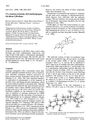 December 1998 in “Acta Crystallographica Section C-crystal Structure Communications”
 This study describes the molecular conformation and intermolecular interactions in the crystalline structure of the compound C24H31BrO4.
 September 2024 in “Journal of the American Academy of Dermatology”
 In this study, a novel compound named AH-001 demonstrated effective androgen receptor protein degradation, reducing hair loss progression in a mouse model of androgenetic alopecia, with minimal systemic exposure and side effects, suggesting potential for safer treatment.
1 citations
,
June 2007 in “Journal of Clinical Oncology” This study found that weekly low-dose bicalutamide was safe and appeared to be associated with high-grade PIN remission and favorable PSA modulation in subjects with persistently elevated PSA but negative biopsy.
 August 2022 in “Nature Biotechnology”
 This report highlights Amvuttra's approval for hATTR amyloidosis as a more convenient RNAi therapy, and Olumiant's attention as the first systemic drug for hair loss among recent developments.
June 2026 in “JAAD Case Reports”  3 citations
,
June 2023 in “Journal of cosmetic dermatology”
3 citations
,
June 2023 in “Journal of cosmetic dermatology” This study reported improvement in an 11-year-old boy with refractory alopecia areata after 4 months of treatment with oral abrocitinib, a JAK1 inhibitor, suggesting it may be a potential alternative for pediatric patients unresponsive to conventional therapies.

This study found that CPA-loaded nanoparticles, particularly SLN formulations, increased CPA epidermal penetration compared to a conventional cream and may reduce side effects in treating androgen-dependent conditions.