119 citations
,
September 2000 in “Journal of Biological Chemistry” This study found that the K19 promoter is active in certain gastrointestinal cancer cells and its activity is influenced by the interaction between GKLF and Sp1 transcription factors.
25 citations
,
September 2014 in “SpringerPlus” This study found that sheep possess a polymorphic KAP8-2 gene that shares high sequence identity with the KAP8-2 gene in goats and reindeer.
 42 citations
,
January 2017 in “Genes”
42 citations
,
January 2017 in “Genes” This study observed that genetic variation in the ovine KRTAP22-1 gene is linked to increased wool yield and decreased fiber curvature in sheep, indicating its potential use in breeding programs.
 March 2026 in “Zenodo (CERN European Organization for Nuclear Research)”
 This study reports a novel geometric medicine solution, N‑K GM SERIES, claiming to eliminate aflatoxin, offer a universal cancer cure, and provide numerous health benefits, including increased life expectancy, with deployment focused on the "Aflatoxin Belt" regions like Sudan.
35 citations
,
June 2012 in “PloS one” This study suggests that Keratin 15 expression in stratified epithelia may be regulated by two distinct mechanisms involving PKC/AP-1 pathway for differentiation and FOXM1 for basal cells, challenging its reliability as a sole stem cell marker.
13 citations
,
March 1997 in “Research in Veterinary Science/Research in veterinary science” This study found that epithelial keratin K 6 is associated with hyperkeratotic and ulcerated changes in the gastric pars oesophagea of pigs, suggesting epithelial proliferation plays a role in ulcer development.
 75 citations
,
October 2010 in “Mammalian genome”
75 citations
,
October 2010 in “Mammalian genome” In this study, specific genetic polymorphisms in the KRT71 gene were associated with hairless and curly phenotypes in Sphynx and Devon Rex cats.
 April 2023 in “The journal of investigative dermatology/Journal of investigative dermatology”
 This research suggests that hair keratins evolved from claw keratins in a hairless ancestor, with Hoxc13 controlling their expression in tetrapods, evidenced by the knockout of Hoxc13 hindering claw formation in Xenopus tropicalis frogs.
26 citations
,
January 2011 in “Open Journal of Genetics” In this study, researchers identified five unique sequences of the ovine KAP13-3 gene, with potential implications for wool traits due to observed amino acid changes.
51 citations
,
September 2012 in “Gene” In this study, researchers identified a putative ovine KAP24-1 gene in sheep, revealing four unique DNA sequences with some similarity to KRTAP24-1 sequences from other species.
January 2024 in “Doria (University of Helsinki)” This study found that in mouse pancreatic β-cells, the disruption of keratin filaments due to a specific mutation in keratin 18 resulted in altered GLUT2 localization, with less GLUT2 present on the plasma membrane compared to cells with normal keratin.
 April 2023 in “Journal of Investigative Dermatology”
 In this study, the KPAI and KP-IGA scoring systems for assessing keratosis pilaris showed excellent interrater and intrarater reliability, offering standardized measures for clinical and research use.
10 citations
,
January 2003 in “Dermatology” This study describes a Japanese family with monilethrix and found no clear genotype/phenotype correlation in cases with the E413K mutation in hHb6.
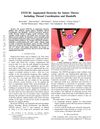 April 2024 in “arXiv (Cornell University)”
 In this study, the researchers developed an advanced robotic system called STITCH for performing suture tasks, which completed an average of 2.93 sutures autonomously and 4.47 sutures with human intervention in physical trials.
 May 2015 in “Endocrinología y nutrición”
 This study described four adult male cases of Kennedy disease with typical neurological symptoms and noted gynecomastia as the most frequent endocrinological manifestation, accompanied by an abnormal expansion in the androgen receptor gene.
7 citations
,
July 2019 in “Animals” This study identified a new ovine KRTAP21-1 gene variant in sheep, with wool yield affected by the variant, suggesting its potential as a genetic marker for improving wool production.
 September 2025 in “Experimental & Molecular Medicine”
 This study observed that the small molecules KY19382 and KY19334 inhibited cancerous traits in human cutaneous squamous cell carcinoma cells by suppressing the Wnt/β-catenin pathway, indicating their potential as treatments for cancers involving CDK1 overexpression and diseases related to CXXC5 accumulation.
 2 citations
,
May 2023 in “Cancer medicine”
2 citations
,
May 2023 in “Cancer medicine” This review reports that KRT80 is overexpressed in various cancers, enhancing cancer cell proliferation, invasiveness, and migration, suggesting it as a potential therapeutic target, though more clinical studies are needed to fully understand its role in cancer prognosis.
51 citations
,
December 2006 in “Mammalian Genome”  2 citations
,
November 2022 in “Skin research and technology”
2 citations
,
November 2022 in “Skin research and technology” This study found that the p.E402K mutation in the KRT86 gene is a hotspot in Chinese patients with monilethrix, and treatment with 5% topical minoxidil significantly improved hair density and quality.
2 citations
,
February 2025 in “Poultry Science” In this study, researchers investigated the genetic basis of the feathered foot trait in Guangxi native chickens and found that the gene TBX5 plays a critical role, suggesting it affects feather formation by regulating the proliferation and migration of dermal fibroblasts.
40 citations
,
September 2010 in “Journal of Biological Chemistry” This study found that keratin K80, structurally similar to hair keratins, is broadly expressed in various epithelial tissues and is involved in intermediate filament formation with multiple type I partners.
2 citations
,
February 2021 in “FEBS open bio” In this study, transfection experiments showed that mutations in the K85 gene affect filament formation with K35, which may impact hair formation related to ectodermal dysplasia.
1 citations
,
February 2024 in “Preprints.org” This review discusses the pharmacology and potential therapeutic effects of rare ginsenoside compound K on metabolic disorders but presents no new clinical results, highlighting the need for further studies on its bioavailability and toxicity.
53 citations
,
October 2003 in “Genetics” This study identified a mutation hotspot in the caracul (Ca) locus of mice, implicating the mK6irs1/Krt2-6g gene in hair formation and potentially human hair and skin diseases.
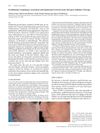 17 citations
,
January 2010 in “Acta Dermato Venereologica”
17 citations
,
January 2010 in “Acta Dermato Venereologica” This report details a case of a 43-year-old woman developing yellowish papular eruptions alongside typical acneiform skin reactions on her cheeks and chest following a switch from cetuximab to panitumumab treatment.
33 citations
,
August 2000 in “Experimental Cell Research” December 2015 in “OPAL (Open@LaTrobe) (La Trobe University)” In human hair follicle keratinocytes, this study found that treatment with the pharmacological inhibitor QLT0267 led to a strong inhibition of proliferation and migration and induced nearly 100% apoptosis.
 October 2024 in “Frontiers in Oncology”
 This review examines the potential of K18 as a diagnostic and prognostic marker in epithelial-derived tumors, highlighting its specific expression in tumor tissues and interaction with proteins involved in tumor progression, without reporting new clinical findings.
4 citations
,
September 2016 in “World Rabbit Science” This study observed that gene expression differences in Rex rabbits with varying wool densities suggest the involvement of specific genes and signaling pathways, including Shh and Eph, in hair follicle development.