 93 citations
,
April 2003 in “Proceedings of the National Academy of Sciences of the United States of America”
93 citations
,
April 2003 in “Proceedings of the National Academy of Sciences of the United States of America” This study identified an unexpected critical role for the FATP4 protein in skin and hair development in mice, linking it to a potential candidate gene for restrictive dermopathy in humans.
 60 citations
,
March 2011 in “Proceedings of the National Academy of Sciences of the United States of America”
60 citations
,
March 2011 in “Proceedings of the National Academy of Sciences of the United States of America” This study found that RANK-RANKL signaling regulates hair renewal and epidermal homeostasis in mice, revealing its role in initiating hair growth cycles and maintaining skin cell activity.
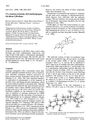 December 1998 in “Acta Crystallographica Section C-crystal Structure Communications”
 This study describes the molecular conformation and intermolecular interactions in the crystalline structure of the compound C24H31BrO4.
 8 citations
,
January 2013 in “Medicinal chemistry”
8 citations
,
January 2013 in “Medicinal chemistry” This study reported that among 10 tested 2-(4-chlorophenyl)-5-aryl-1,3,4-oxadiazole compounds, compound 4c showed the highest activity against cancer cell lines, with a 95.37% average growth rate.
 April 2024 in “bioRxiv (Cold Spring Harbor Laboratory)”
 In this study on adult-onset, whole body Spry1/2/4 triple knockout mice, researchers observed endocrine abnormalities and no increased tumor incidence, despite similar food intake and motor function.
 12 citations
,
March 2016 in “Life Sciences”
12 citations
,
March 2016 in “Life Sciences” This review discusses the potential of combined therapy with WP 631 and epothilone B for ovarian cancer, but reports no new clinical results.
 January 2012 in “heiDOK (Heidelberg University)”
 In this study, researchers observed that dormant TRP-2+ melanoma cells in bone marrow can interact with CD8+ T cells in tumor-bearing ret transgenic mice, potentially influencing immune responses.
 May 2009 in “The American Journal of Dermatopathology”
 This abstract contains only journal subscription and informational content and does not present any research findings.
 December 2023 in “Juan Cuevas eBooks”
 This source describes the fourth volume of the "Guía de Procedimientos en Cirugía Plástica Reconstructiva" as an essential, expert-compiled reference detailing the latest advanced techniques in reconstructive plastic surgery for surgeons, residents, and professionals in the field.

Bee pollen, green tea, essential oils, and various plant extracts improve skin and hair health.

In this study, researchers developed de novo designed hetero-bifunctional proteins as an alternative approach for targeted protein degradation, successfully targeting BCL-xL for degradation in cells and inducing apoptosis, which may expand the range of addressable E3 ligases and disease targets.
 4 citations
,
February 2024 in “The Journal of Urology”
4 citations
,
February 2024 in “The Journal of Urology” This study reports that adding androgen deprivation therapy to salvage radiation therapy for patients with non-metastatic biochemical recurrence of prostate cancer after radical prostatectomy improves progression-free survival, particularly in those with higher post-prostatectomy PSA levels.
 11 citations
,
March 2013 in “Gene”
11 citations
,
March 2013 in “Gene” This study reported that the IL1A 4-bp indel polymorphism is associated with a reduced risk of alopecia areata in Chinese populations, possibly through miR-122 mediated regulation of IL-1α expression.

This case report describes the first instance of basal cell carcinoma developing at the site of repeated microneedling for androgenetic alopecia, highlighting the need for further safety studies.

This case study reports the first known instance of basal cell carcinoma developing at the site of repeated microneedling for androgenetic alopecia, suggesting further research is needed to assess the long-term safety of such devices.

In this study, researchers found that alopecia areata is linked to immune cell activation against hair follicle autoantigens and is associated with heart changes and cardiac marker alterations in humans and mice.
 3 citations
,
April 2019 in “bioRxiv (Cold Spring Harbor Laboratory)”
3 citations
,
April 2019 in “bioRxiv (Cold Spring Harbor Laboratory)” In this study, beta-caryophyllene enhanced wound healing in female mice by improving re-epithelialization, cell proliferation, and cell migration, suggesting potential benefits of essential oil compounds in inflammation reduction.
 4 citations
,
June 2020 in “JAAD case reports”
4 citations
,
June 2020 in “JAAD case reports” This study presents a rare case of alopecia totalis occurring after the use of permanent hair dye.
 118 citations
,
February 2009 in “Fertility and Sterility”
118 citations
,
February 2009 in “Fertility and Sterility” This study found that approximately 75% of women with PCOS exhibited hyperandrogenemia, with free testosterone being the most frequently elevated marker.
15 citations
,
September 2014 in “PloS one” This study found that HIF1 and mTORC1 signalling were active in both basal cell carcinoma and trichoepithelioma, but the pathways do not reliably differentiate between the two.
 1 citations
,
April 2018 in “Journal of Investigative Dermatology”
1 citations
,
April 2018 in “Journal of Investigative Dermatology” This open-label study found that oral tofacitinib led to significant hair regrowth in patients with moderate-to-severe alopecia areata, supported by changes in gene expression and T cell dynamics.
 July 2025 in “Archives of Toxicology”
 The study introduced an advanced skin model, ImmuSkin-MT, which effectively distinguished between different strengths of skin sensitizers by mimicking the interaction of immune cells in skin tissue.
 39 citations
,
October 2010 in “Journal of The American Academy of Dermatology”
39 citations
,
October 2010 in “Journal of The American Academy of Dermatology” This study reported that alopecia occurred in 2.5% of patients with mycosis fungoides or Sézary syndrome, with some cases resembling alopecia areata and others associated with specific skin lesions.
 125 citations
,
May 2019 in “Phytomedicine”
125 citations
,
May 2019 in “Phytomedicine” This review discusses the historical development, mechanisms of action, and potential new clinical applications of the drug cepharanthine, highlighting its multi-faceted pharmacological properties; it reports no new clinical results.
 33 citations
,
September 2017 in “Molecules”
33 citations
,
September 2017 in “Molecules” This study found that red ginseng oil and its major components improved hair regrowth in testosterone-treated mice by promoting an earlier anagen phase and altering related gene expressions.
 8 citations
,
October 2018 in “Journal of the European Academy of Dermatology and Venereology”
8 citations
,
October 2018 in “Journal of the European Academy of Dermatology and Venereology” This study found that basal cell carcinoma is more prevalent on the cutaneous lip while squamous cell carcinoma is more common on the vermilion lip, with rare recurrences following Mohs micrographic surgery.
 June 2023 in “Research Square (Research Square)”
 This study identified shared gene expression changes and immune cell infiltration patterns that may contribute to hair loss in alopecia areata and cutaneous lupus erythematosus, but also highlighted factors that might preserve hair in psoriasis patients.
 January 2017 in “Springer eBooks”
 The document explains various skin conditions and their treatments.
 185 citations
,
August 2005 in “Autoimmunity Reviews”
185 citations
,
August 2005 in “Autoimmunity Reviews” This review discusses alopecia areata as a model for studying tissue-directed autoimmune diseases and reports no new clinical findings.
 46 citations
,
March 2015 in “Regeneration”
46 citations
,
March 2015 in “Regeneration” This review revisits the mechanisms of wound induced hair follicle neogenesis in mice and concludes that the process involves canonical WNT signaling activated by Fgf9 from γδ T cells, but more research is needed to fully understand its cellular bases.