 April 2025 in “Journal of Cosmetic Dermatology”
 This study of patients with androgenetic alopecia in Turkey found that severe hair loss significantly impacts psychological well-being, particularly in men and those with early-onset AGA. Despite widespread social media use for hair loss information, it did not influence treatment choices or psychological distress.
 February 2025 in “PLoS ONE”
 This study provides an overview of androgenetic alopecia in the USA, highlighting social determinants, differences in onset between genders, and how management varies by age and gender.
 December 2024 in “Journal of General-Procedural Dermatology & Venereology Indonesia”
 In this study, a topical hair growth serum containing ingredients like procapil and redensyl was found to be safe and effective for subjects with androgenic alopecia, significantly improving hair density, thickness, and Anagen:Telogen ratio after 120 days, with no observed adverse effects.
 June 2024 in “Journal of Ayub Medical College Abbottabad”
 This study concluded that adding 5% topical Procapil to PRP therapy provided better outcomes for androgenetic alopecia than PRP alone, as assessed by dermatologist evaluations and patient satisfaction.
1 citations
,
May 2024 in “Journal of Pakistan Association of Dermatologists” This study found that topical calcipotriol was significantly more effective than topical tacrolimus in promoting hair growth for alopecia areata patients, demonstrating 67% efficacy compared to 33% efficacy with tacrolimus over a 6-month period.
 April 2024 in “Nigerian Postgraduate Medical Journal”
 This review summarizes existing knowledge on androgenetic alopecia, including its epidemiology, pathophysiology, and management, but presents no new research findings.
 January 2024 in “JCPSP. Journal of the College of Physicians & Surgeons Pakistan”
 This study found that platelet-rich plasma therapy may be a useful alternative to 5% topical minoxidil for treating androgenetic alopecia, with differences in the effectiveness and patient satisfaction outcomes observed.
 November 2023 in “Journal of Cosmetic Dermatology”
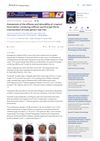
 This study found that a 12-week topical treatment with a caffeine and Procapil 3% formulation effectively reduced hair loss by 26.9% and improved hair growth in men with androgenetic alopecia, without any reported adverse effects.
 July 2023 in “JAAD International”
 This study describes androgenetic alopecia as a common non-scarring hair loss condition primarily influenced by genetic factors and androgen sensitivity, notably impacting psychosocial well-being, especially in females and younger males seeking treatment.
This comprehensive review analyzes androgenetic alopecia treatments, discussing the mechanisms, costs, efficacy, and safety of FDA-approved drugs like minoxidil and finasteride, as well as newer non-FDA-approved options that have shown effectiveness across various studies.
April 2023 in “Dermatology and therapy” This study found a high discontinuation rate of topical minoxidil among patients with androgenetic alopecia, largely influenced by short treatment duration, lack of efficacy, and adverse effects.
December 2022 in “Clinical, Cosmetic and Investigational Dermatology” This study found that patients with androgenetic alopecia, especially those who are young, less educated, and single, experience significantly reduced health-related quality of life.
October 2022 in “Our Dermatology Online” In this study, researchers compared the effectiveness of a tonic containing Capixyl, Procapil, and rosemary extract with 2% minoxidil in reducing hair loss and promoting hair growth in male participants over a 24-week period.
April 2022 in “Journal of advances in medicine and medical research” This study found that applying topical minoxidil 5% twice daily for 24 weeks increased hair density and width in men with androgenetic alopecia, although the change in clinical hair grading was not statistically significant.
 13 citations
,
February 2022 in “JAMA Dermatology”
13 citations
,
February 2022 in “JAMA Dermatology” This meta-analysis reported that 0.5 mg/d of dutasteride significantly increased total hair count at 24 weeks compared to finasteride and minoxidil in men with androgenetic alopecia.
17 citations
,
November 2021 in “Journal of Cosmetic Dermatology” This review discusses treatment options for androgenetic alopecia, highlighting the need for personalized, evidence-based approaches but reports no new clinical results.
 16 citations
,
June 2021 in “Journal of Dermatological Treatment”
16 citations
,
June 2021 in “Journal of Dermatological Treatment” This study reported that while topical minoxidil exhibits hair regrowth in androgenetic alopecia, oral minoxidil 5 mg/day was more effective than topical forms after six months, with low doses also potentially effective for women and other hair loss types.
December 2019 in “IP Indian journal of clinical and experimental dermatology” This retrospective study examined the prevalence and severity of androgenetic alopecia in dermatology outpatients, identifying factors associated with its development.
 41 citations
,
January 2009 in “International Journal of Trichology”
41 citations
,
January 2009 in “International Journal of Trichology” This study found that 58% of men aged 30-50 had androgenic alopecia, with disease severity increasing with age and many being candidates for medical treatment or hair transplantation.