306 citations
,
August 2011 in “Journal of cachexia, sarcopenia and muscle” This study found that GTx-024 significantly increased total lean body mass and improved physical function in healthy elderly men and postmenopausal women, suggesting potential use for muscle wasting conditions.
 6 citations
,
February 2025 in “Scientific Reports”
6 citations
,
February 2025 in “Scientific Reports” This study found that MEGA PROTAC improved the prediction of ternary structures with higher maximum DockQ scores compared to the BOTCP method in 16 out of 22 test cases.
 September 2013 in “Science”
 This study found that single-crystal magnesium samples smaller than 100 nm exhibited increased plastic deformation due to greater activation of nonbasal planes as local flow stresses approached 2 GPa.
3 citations
,
July 2023 in “Cells” This study found that topical application of recombinant human MG53 protein mitigated nitrogen mustard-induced skin injuries in mice by preserving epidermal integrity and hair follicle structure.
41 citations
,
February 2005 in “Experimental Cell Research” This study suggests that the MAEG protein may facilitate epithelial–mesenchymal interactions during hair follicle development by binding to RGD-binding integrins like α8β1.
 4 citations
,
October 2022 in “Journal of Biomedical Materials Research Part A”
4 citations
,
October 2022 in “Journal of Biomedical Materials Research Part A” This study found that magnesium oxide-incorporated electrospun membranes improved wound healing in a simulated model by accelerating wound closure, reducing inflammation, promoting fibroblast proliferation, and stimulating angiogenesis and skin regeneration.
12 citations
,
July 2011 in “Experimental Dermatology” This study found that mEGF ethosomal delivery systems mainly penetrated mice skin through the pilosebaceous unit and successfully induced hair follicles to transition from the telogen to anagen phase.
 July 2022 in “The journal of investigative dermatology/Journal of investigative dermatology”
 This case study reports that a 26-year-old woman with epidermolysis bullosa prurogompsa also presented with unique findings of co-existing muscular dystrophy and immune-based myasthenia gravis, with significant improvement following steroid treatment.
15 citations
,
June 2021 in “Medicina” This study found that combined intense pulsed light and low-level light therapy significantly improved ocular surface outcomes and quality of life for patients with meibomian gland dysfunction and dry eye disease.
125 citations
,
August 2003 in “Development” In this study, mice engineered to express human EGFR showed tissue-specific growth defects and neurodegeneration rescue, but developed severe heart issues and accelerated bone cell differentiation.
This study found that overexpression of antizyme in mice with activated MEK reduced skin tumor growth by inhibiting putrescine accumulation, slowing cell growth, and increasing G2/M transit time.
 14 citations
,
May 2013 in “American Journal of Physiology-endocrinology and Metabolism”
14 citations
,
May 2013 in “American Journal of Physiology-endocrinology and Metabolism” This study found that mice lacking myelin protein zero-like 3 (Mpzl3) had reduced body weight and adiposity despite increased food intake, which was linked to higher energy expenditure and improved glycemic control.
1 citations
,
July 2024 in “Nanomedicine” This study demonstrated that EVs from pluripotent stem cell-derived mesenchymal stem cells improved recovery and function in ischemic lower limbs by enhancing angiogenesis through the ERK/MAPK signaling pathway.
18 citations
,
April 1998 in “MIT Press eBooks” This study found that topical application of N,N-dimethylglycine sodium salt increased dermal blood flow and velocity in human subjects, likely through its effects on endothelial cells and NO-dependent vasodilation.
23 citations
,
March 2021 in “Gels” This study found that minoxidil solubilized in gelatin-containing microemulsions resulted in over 5% of the drug remaining in porcine skin, significantly more than the reference gel.
January 2026 in “The FASEB Journal” This upcoming clinical trial at Shenzhen People's Hospital will explore the safety and efficacy of human umbilical cord mesenchymal stem cell-derived small extracellular vesicles as a treatment for androgenetic alopecia in young men, comparing them to minoxidil. Results are not reported yet.
23 citations
,
February 2025 in “Advanced Materials” This study found that a new autonomous, moisture-driven flexible electrogenerative dressing significantly accelerated chronic wound healing in a diabetic mouse model compared to the control group.
 May 2024 in “The journal of investigative dermatology/Journal of investigative dermatology”
 In this study, it was observed that topical application of N,N-Dimethylglycine Sodium Salt significantly increased skin microcirculation and blood flow in human subjects, suggesting potential benefits for skin health and conditions like dermatitis.
September 2002 in “Oncology Times” This study presented at the ASCO Annual Meeting reported that the epidermal growth factor receptor antibody ABX-EGF showed preliminary efficacy in renal cell cancer patients, with tolerable side effects, while bortezomib demonstrated clinical benefit in a significant proportion of multiple myeloma patients.
 3 citations
,
July 2022 in “Dermatologic Therapy”
3 citations
,
July 2022 in “Dermatologic Therapy” This study reported that using non-absorbable magnesium microneedle patches for 12 weeks improved under-eye wrinkles as measured by a grading scale and wrinkle index, with minimal discomfort and no significant change in dermal thickness.
This study observed that mesenchymal stem cell-conditioned medium accelerated burn wound healing in rats by enhancing epidermal growth factor presence, improving wound closure, collagen density, and re-epithelialization compared to the control.
October 2022 in “Zenodo (CERN European Organization for Nuclear Research)” This piece describes the EndoPump Male Enhancement supplement, which claims to enhance erections and libido, but notes that there is insufficient medical evidence supporting the efficacy of its ingredients for sexual health.
 6 citations
,
July 2005 in “Farmaco”
6 citations
,
July 2005 in “Farmaco” This study developed a micellar electrokinetic capillary chromatography method for determining minoxidil in Rogaine and generic products, offering a simple and efficient alternative to HPLC.
1 citations
,
February 2026 in “ACS Nano” This study developed the TLMG hydrogel, a seamless in situ biointerface platform, demonstrating robust adhesion, high conductivity, and therapeutic effects for intelligent wound management in complex animal models and human tests, indicating its promise for integrated bioelectronic medicine.
5 citations
,
January 2016 in “Open Journal of Regenerative Medicine” This article describes the potential applications of myoblast implantation for muscle regeneration and its promising social and economic value but reports no new clinical results.
 6 citations
,
July 2009 in “Biomolecules & therapeutics”
6 citations
,
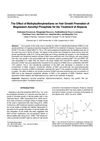
July 2009 in “Biomolecules & therapeutics” This study found that combining MSM with MAP significantly enhanced hair growth in mice, comparable to or better than minoxidil, due to increased intradermal retention of MAP.
This study found that combining electrical stimulation with minoxidil had a synergistic effect on the proliferation of cultured human dermal papilla cells, potentially through enhanced activation of the Wnt/β-catenin pathway.
August 2024 in “International Journal of Cosmetic Science” This study found that acetyl zingerone methyl ether (MAZ) in hair dyes and haircare products may reduce oxidative damage, improve hair condition, and enhance the longevity and quality of dyed hair color.
 October 2024 in “Journal of the Endocrine Society”
 This study observed that gender-affirming hormone therapy differentially affects metabolism in mice, with the specific metabolic impacts dependent on the type of hormonal treatment used.
2 citations
,
June 2025 in “ACS Biomaterials Science & Engineering” This study demonstrates that encapsulating cell-free fat extract in a gelatin methacrylate hydrogel enhances flap repair by sustaining angiogenesis, reducing oxidative stress, and offering favorable biocompatibility in a murine skin flap model, thereby advancing potential clinical flap necrosis treatments.