32 citations
,
July 2018 in “FEBS letters” In this study, researchers identified the CBL1-CIPK26 Ca 2+ sensor-kinase complexes as key modulators of the NADPH oxidase RBOHC crucial for root hair differentiation in plants.

This review explores the synthesis and potential of azasteroids as novel drugs, discussing challenges in their production and reporting no new clinical results.
 January 2023 in “Bioorganičeskaâ himiâ”
 This study found that a new deoxycholic acid derivative may offer a similar prostatoprotective effect to finasteride with lower toxicity in rat models.
June 2026 in “Virtual and Physical Prototyping” This study introduced a high-viscosity epoxy photoresist to enhance the fabrication of complex microstructures with monolithic integration and mechanical stability, enabling advancements in two-photon 3D printing for creating functional micro-mechanical devices.
 August 2002 in “Analytical Sciences”
 The document concludes that a compound with potential for treating prostate cancer and hair loss was successfully made and its detailed structure was confirmed.
8 citations
,
May 2024 in “Regenerative Therapy” This study found that bioactive glass 1393 accelerates wound healing by promoting angiogenesis through the ROS/P53/MMP9 signaling pathway, enhancing granulation tissue formation and collagen deposition, as evidenced by both in vivo and in vitro experiments.
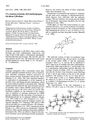 December 1998 in “Acta Crystallographica Section C-crystal Structure Communications”
 This study describes the molecular conformation and intermolecular interactions in the crystalline structure of the compound C24H31BrO4.
101 citations
,
November 2019 in “The Plant Cell” This study found that the zinc finger protein AtZP1 inhibits root hair initiation and elongation in Arabidopsis by suppressing key transcription factors involved in root hair development.
 3 citations
,
September 2018 in “MOJ Toxicology”
3 citations
,
September 2018 in “MOJ Toxicology” This review discusses the medicinal properties of Alpinia zerumbet Roxb. and highlights its potential for further research, but provides no new clinical results.
May 2023 in “Reactions Weekly” January 2013 in “Reactions Weekly”  January 2019 in “Applied Organometallic Chemistry”
 The compound (NH4)2Mn0.17Cu0.83Cl4.2H₂O has a specific structure, shows weak magnetism at low temperatures, and undergoes phase changes at high temperatures.
 4 citations
,
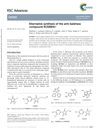
January 2014 in “RSC Advances”
4 citations
,
January 2014 in “RSC Advances” A new, less toxic and more efficient method to create the anti-baldness compound RU58841 was developed in 2014.
 27 citations
,
August 2014 in “Journal of Cosmetic and Laser Therapy”
27 citations
,
August 2014 in “Journal of Cosmetic and Laser Therapy” This study compared the microscopic treatment zones created by different fractional lasers and radiofrequency in swine skin, finding distinct patterns and damage levels for each technology.
 June 2024 in “Frontiers in pharmacology”
 This study found that a 2-deoxy-D-ribose gel stimulated hair follicle growth in mice with androgenic alopecia, showing effects similar to minoxidil without additional benefits from combining the two treatments.
61 citations
,
January 1970 in “Toxicology and Applied Pharmacology”  December 2025 in “Pharmaceuticals”
 This study found that a natural illite-based carrier could deliver minoxidil topically with preserved efficacy, minimizing solvent toxicity, and showed hair-growth-promoting activity via anti-inflammatory and pro-proliferative mechanisms in mice.
March 2022 in “Zenodo (CERN European Organization for Nuclear Research)” 53 citations
,
September 1999 in “Journal of Synchrotron Radiation” This study shows that microdiffraction experiments reveal structural layers in keratinous tissues, each with different keratin types, potentially explaining their dual role as mechanical support and chemical barriers.
September 2026 in “Angewandte Chemie” In this research, SEU-302, a newly developed covalent organic framework, exhibited significant antibacterial and wound-healing properties in vitro and in vivo, effectively eliminating Staphylococcus aureus and reducing inflammation under light activation, thereby showcasing its potential for therapeutic photodynamic applications.
12 citations
,
September 2015 in “Drug Design Development and Therapy” This study found that the DOX derivative AD198 more effectively inhibited cell viability and induced apoptosis in canine cancer cell lines K9TCC and K9OSA compared to DOX in vitro.
46 citations
,
March 2017 in “Nanotoxicology” This study found that topical application of nano-Zinc oxide in newborn mice led to the accumulation of nanoparticles within hair follicles, inducing apoptosis of hair follicle stem cells and potentially disrupting skin homeostasis.
6 citations
,
May 2022 in “Journal of Organometallic Chemistry” This study developed a catalytic system using indenyl-molybdenum(II)-bipyridine complexes and ionic liquid solvents to achieve a 95% yield of campholenic aldehyde from α-pinene oxide under mild conditions.
 20 citations
,
June 2022 in “Molecules”
20 citations
,
June 2022 in “Molecules” This review discusses three classes of thiazole-bearing compounds in drug development and presents preclinical findings but reports no new experimental results, highlighting the need for further drug discovery.
2 citations
,
October 2023 in “bioRxiv (Cold Spring Harbor Laboratory)” This study found that RANKL promotes the regeneration of type II alveolar epithelial cells in lung tissue, suggesting it may play a role in lung repair processes for diseases like COPD and fibrosis.
 25 citations
,
May 2016 in “Progress in Biophysics & Molecular Biology”
25 citations
,
May 2016 in “Progress in Biophysics & Molecular Biology” This article reviews the role of R-spondins and their receptors in bone development and metabolism, highlighting their potential modulatory effects and clinical implications for treating bone loss diseases, but reports no new clinical results.
 5 citations
,
September 2022 in “Antioxidants”
5 citations
,
September 2022 in “Antioxidants” This study found that the clionasterol-rich hexane fraction of Caulerpa racemosa may protect against particulate matter-induced skin damage by reducing oxidative stress and mitochondrial-mediated apoptosis in human keratinocytes and zebrafish.
 30 citations
,
December 2019 in “PLoS ONE”
30 citations
,
December 2019 in “PLoS ONE” This study found that formulating raloxifene in nano-lipid carriers significantly enhanced its permeation and cytotoxicity against cancer cells compared to raw raloxifene.
11 citations
,
January 2014 in “Mass spectrometry” In this study, silver oxide-based nanoparticles were used to ionize analytes and detect specific target molecules through adduct formation with silver isotopes, facilitating signal correlation with these molecules.
 8 citations
,
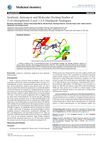
January 2013 in “Medicinal chemistry”
8 citations
,
January 2013 in “Medicinal chemistry” This study reported that among 10 tested 2-(4-chlorophenyl)-5-aryl-1,3,4-oxadiazole compounds, compound 4c showed the highest activity against cancer cell lines, with a 95.37% average growth rate.