 3 citations
,
December 2019 in “International Journal of Pharmacology”
3 citations
,
December 2019 in “International Journal of Pharmacology” This study found that Poria cocos extract may enhance human follicle dermal papilla cell proliferation through the AKT signaling pathway, indicating its potential for hair growth promotion.
 4 citations
,
January 2026 in “Cell Discovery”
4 citations
,
January 2026 in “Cell Discovery” This study introduced the concept of spatiotemporal clocks to understand how different phases of mammalian wound healing are coordinated, with a focus on the spatial domains and oscillatory molecular signals involved, while highlighting the potential for regenerative therapeutic strategies.
 April 2012 in “Informa Healthcare eBooks”
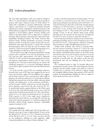
 Lichen planopilaris is a rare, chronic condition causing hair loss, mainly in middle-aged women, and early treatment is important to prevent permanent baldness.
 May 2020 in “Hair transplant forum international”
 This article introduces a revised NPRT classification system that includes diverse patterns of hair loss in both men and women, suggesting it as a universal tool for classification and documentation.
August 2011 in “BIO-PROTOCOL” This protocol paper details methods for live imaging and analysis of dividing germline stem cells in C. elegans and reports no new research findings.
 4 citations
,
November 2017 in “Journal of Cosmetic Dermatology”
4 citations
,
November 2017 in “Journal of Cosmetic Dermatology” This study found that polyquaternium-68 at pH 9 achieved the greatest hair deposition, while polyquaternium-44 demonstrated the best wash resistance at pH 6.
 4 citations
,
January 2007 in “Sen'i Gakkaishi”
4 citations
,
January 2007 in “Sen'i Gakkaishi” This study found that permanent wave treatment accelerates hair degradation after protease exposure, showing significant morphological differences compared to untreated hair and linked to damage from Alpha-helical region denaturation.
 September 2022 in “Research Square (Research Square)”
 This study found that overexpressing Rps14 in supporting cells promoted hair cell regeneration in the organ of Corti by facilitating cell proliferation and differentiation.
April 2017 in “Journal of Investigative Dermatology” Certain compounds can protect hair cells from aging and promote growth.
This study identified ISPP-Rb, a novel immuno-stimulatory complex from Royoporus badius, that significantly activates murine macrophage cells and induces multiple proinflammatory cytokines.
 September 2026 in “World Journal of Pharmacy and Pharmaceutical Sciences”
 This study reports the successful formulation of a stable herbal hair serum with Catharanthus roseus extract and other ingredients, noting it has a suitable pH, consistency, and stability, suggesting potential effectiveness as a natural alternative for hair care pending further clinical trials.
6 citations
,
June 2022 in “Journal of Orthopaedic Surgery and Research” In this animal study, oral administration of wedelolactone significantly improved bone mineral density and reduced osteoclast numbers in a model of particle-induced osteolysis, suggesting potential as a treatment option.
May 2021 in “Research Square” April 2014 in “Zhonghua shiyan waike zazhi” This study found that follicular unit-like wigs made from a polycaprolactone matrix exhibited good histocompatibility in New Zealand white rabbits, with reduced inflammatory cell infiltration compared to a polypropylene matrix.
12 citations
,
November 2012 in “BioMolecular Concepts” This review discusses the diverse roles of PPARβ/δ in skin health and disease, including its involvement in skin wound healing and inflammatory skin conditions, without presenting new experimental results.
 18 citations
,
September 2016 in “International Journal of Molecular Sciences”
18 citations
,
September 2016 in “International Journal of Molecular Sciences” This study reports that PDRN, commonly used for wound healing, may also have anti-melanogenesis and potential skin whitening effects in both experimental models and clinical settings.
 March 2026 in “Research Square”
 This study developed a novel regenerative platform using nanozyme-enabled materials combined with exosomes and laser stimulation to enhance wound healing in a mouse model, which more effectively regulated reactive oxygen species and improved early angiogenesis and collagen organization compared to conventional methods.
December 2025 in “Zagazig University Medical Journal” This review discusses polydioxanone threads as a promising, minimally invasive treatment for androgenetic alopecia in both males and females, but notes that further research is needed to optimize protocols and outcomes.
87 citations
,
March 2017 in “Journal of Clinical Investigation” In this study, researchers identified PSENEN mutations that can lead to a form of Dowling-Degos disease, characterized by follicular hyperkeratosis and an increased susceptibility to acne inversa, especially in the presence of certain trigger factors.
 22 citations
,
October 2012 in “Cell Transplantation”
22 citations
,
October 2012 in “Cell Transplantation” This study found that adding Wnt-10b to the culture medium of dermal papilla cells maintained their ability to induce hair follicles over 100 days in vitro.
 7 citations
,
August 2020 in “Animal biotechnology”
7 citations
,
August 2020 in “Animal biotechnology” This study found that lncRNA-599547 positively regulates the expression of the Wnt10b gene by interacting with miR-15b-5p, enhancing the inductive property of dermal papilla cells in cashmere goats.
 September 2026 in “World Journal of Pharmacy and Pharmaceutical Sciences”
 In this study, a new hair serum featuring Catharanthus roseus extract was formulated and evaluated, showing a stable and appealing product with potential hair growth-promoting properties, positioning it as a promising herbal alternative to synthetic agents like minoxidil.
 1 citations
,
June 2023 in “ScienceRise Pharmaceutical Science”
1 citations
,
June 2023 in “ScienceRise Pharmaceutical Science” This study explored a computer simulation method for selecting emulsion compositions in dermatology, finding that the PS biocomplex can be effectively used as an emulsifier or co-emulsifier, which streamlines the development process and reduces experimental demands.
11 citations
,
January 2000 in “Journal of cosmetic science” This study found that hydrolyzed wheat proteins extensively penetrated both untreated and chemically treated hair, primarily occupying areas like the endocuticle and cortex.
 37 citations
,
October 2015 in “Anais Brasileiros de Dermatologia”
37 citations
,
October 2015 in “Anais Brasileiros de Dermatologia” This study found diverse clinical presentations of lichen planopilaris, with classic lichen planopilaris being the most common, highlighting the importance of recognizing this variability for accurate diagnosis.
 5 citations
,
January 2021 in “Biomedicine & Pharmacotherapy”
5 citations
,
January 2021 in “Biomedicine & Pharmacotherapy” This study suggests that policosanol may prevent androgenetic alopecia in mice by regulating hormone levels and suppressing premature hair follicle entry into the regression phase.
 December 2025 in “Frontiers in Medicine”
 This review details the global mutation patterns of genes associated with autosomal recessive woolly hair/hypotrichosis and highlights potential, yet unproven, treatments like minoxidil and regenerative therapies, reporting no new clinical results.
 March 2023 in “Chemical biology & drug design”
 This study found that 8% Panax notoginseng saponins may promote hair follicle growth in C57BL/6J mice, potentially through the Wnt/β-catenin signaling pathway.
 May 2015 in “Journal of The American Academy of Dermatology”
 Povidone-iodine nail solution effectively treats nail infections caused by chemotherapy.
 12 citations
,
August 2021 in “International Journal of Biological Macromolecules”
12 citations
,
August 2021 in “International Journal of Biological Macromolecules” This study observed that Poria cocos polysaccharides and finasteride both reduced inflammation in chronic nonbacterial prostatitis in rats, but only Poria cocos polysaccharides reversed related changes in the gut microbiota.