December 2022 in “Zenodo (CERN European Organization for Nuclear Research)” In this report, a 14-year-old female with stubborn alopecia areata was successfully treated with oral tofacitinib, indicating its potential effectiveness for severe cases.
 4 citations
,
October 2020 in “JAAD Case Reports”
4 citations
,
October 2020 in “JAAD Case Reports” This article discusses the potential use of platelet-rich plasma as a treatment for vitiligo, but reports no new clinical results; further investigation is needed.
April 2024 in “Al-Azhar International Medical Journal /Al-Azhar International Medical Journal” This study at Al-Azhar University Hospitals found that combining a fractional CO2 laser or microneedling with topical 5-Fluorouracil (5-FU) is more effective and safe for treating vitiligo than using either treatment alone, offering a new therapeutic option for patients.
 24 citations
,
July 1983 in “Clinical and Experimental Dermatology”
24 citations
,
July 1983 in “Clinical and Experimental Dermatology” Tigason improved hair growth in a boy with monilethrix without side effects.
 12 citations
,
January 2011 in “Dermatologic Surgery”
12 citations
,
January 2011 in “Dermatologic Surgery” This entry contains only a placeholder abstract with no research findings described or summarized.
 79 citations
,
September 2018 in “Dermatologic therapy”
79 citations
,
September 2018 in “Dermatologic therapy” This study found that treatment with oral tofacitinib, alone or with other therapies, was associated with clinical improvement in most patients with recalcitrant lichen planopilaris.

This study found that a combination of betulin and cytostatic Namitecan had a statistically significant synergistic effect on solid Ehrlich adenocarcinoma tumors in NMRI mice, and suggests a promising method for administering betulin in in vivo experiments despite its water insolubility.
 February 2011 in “Annales de dermatologie et de vénéréologie”
 This study found that tofacitinib was well tolerated and led to clinical improvement in 77% of potential responders with severe alopecia areata, alopecia totalis, or alopecia universalis.
This article from BJU International discusses the slow progress in prostate cancer research and reports no new findings.
July 2025 in “SKIN The Journal of Cutaneous Medicine” This study describes characteristics and outcomes for adults initiating ritlecitinib for severe alopecia areata, highlighting increased hair regrowth and physician satisfaction with longer treatment durations, despite ongoing psychosocial impacts like embarrassment and anxiety among patients.
February 2025 in “Canadian Journal of Health Technologies” This review assessed the clinical and cost-effectiveness of baricitinib, an oral treatment for severe alopecia areata in adults, to inform Canadian reimbursement recommendations, excluding Quebec.
52 citations
,
July 1998 in “Urology” This study found that liarozole is more effective than cyproterone acetate for improving PSA response and survival in metastatic prostate cancer after first-line endocrine therapy, while maintaining quality of life.
 January 2026 in “Dermatology and Therapy”
 This study found that patients with alopecia areata receiving ritlecitinib showed immune responses to meningococcal and tetanus vaccines, achieving significant antibody levels after vaccination, and no vaccine-related adverse events or disease exacerbations were reported despite a small sample size.
June 2025 in “Indus journal of bioscience research.” This study found that oral tofacitinib was significantly more effective than oral minoxidil in reducing disease severity and improving treatment response in patients with alopecia areata over a 12-week period.
 April 2023 in “The journal of investigative dermatology/Journal of investigative dermatology”
 This study found that local PGE2 injection may prevent radiotherapy-induced hair loss by protecting hair follicle cells and promoting hair follicle self-repair.
 December 2024 in “Journal of Medicinal Chemistry”
 In this study, researchers discovered a compound called C6 that exhibits excellent skin retention and androgen receptor degradation properties, significantly promoting hair regeneration in a mouse model of androgenetic alopecia following non-invasive topical application, suggesting potential for broader use of PROTACs in treating skin diseases.
 October 2006 in “Aging Health”
 This study found that dutasteride significantly reduces the risk of acute urinary retention and surgical intervention in men with benign prostatic enlargement compared to placebo.
 1 citations
,
June 2026 in “Dermato”
1 citations
,
June 2026 in “Dermato” This narrative review found that ritlecitinib shows consistent effectiveness and a favorable safety profile for treating alopecia areata in clinical trials and real-world settings, with progressive hair regrowth observed, particularly when treatment is initiated early and maintained appropriately.
9 citations
,
April 2020 in “Journal of Cosmetic Dermatology” This case report describes the first instance of eosinophilic folliculitis of the scalp occurring during nivolumab therapy, which responded partially to topical steroids and cream but did not require stopping the treatment.
8 citations
,
June 2004 in “Journal of Investigative Dermatology” Certain peptides can prevent hair loss in young rats caused by a cancer drug.
1 citations
,
November 2025 in “Neuro-Oncology” In this study, safusidenib erbumine was evaluated for its efficacy and safety in patients with untreated IDH1-mutated WHO grade 2 gliomas, achieving a 44.4% objective response rate and 87.9% 24-month event-free probability, but with some mild to moderate adverse effects.
 February 2026 in “Indian Journal of Skin Allergy”
 This article reviews the clinical efficacy of Ruxolitinib cream for skin conditions, reporting significant improvements in atopic dermatitis and vitiligo, with minimal systemic absorption and a favorable safety profile, compared to placebo.
 2 citations
,
July 2023 in “Obstetrics & Gynecology”
2 citations
,
July 2023 in “Obstetrics & Gynecology” In this study, imiquimod was found to increase regression of cervical intraepithelial neoplasia compared to placebo, though it commonly caused side effects that rarely led to treatment discontinuation.
July 2025 in “Ultrasound in Medicine & Biology” This study found that nanobubble-encapsulated diclofenac with ultrasound-targeted microbubble destruction (DNBs-UTMD) can enhance the anti-tumor efficacy of Doxil® by regulating the tumor immune microenvironment, improving drug uptake, and increasing T cell responses while reducing immune-suppressive cells in the process.
 15 citations
,
November 2020 in “Pharmaceutics”
15 citations
,
November 2020 in “Pharmaceutics” In this ex vivo and mouse model study, Tofacitinib-loaded nanoparticles demonstrated enhanced delivery of the drug into hair follicles and reduced inflammatory effects compared to conventional forms, indicating potential for safer, topical use in treating alopecia areata.
September 2023 in “Journal of the American Academy of Dermatology” CTP-543 significantly improved eyebrow and eyelash regrowth and patient satisfaction in adults with alopecia areata.
 April 2016 in “The journal of investigative dermatology/Journal of investigative dermatology”
 This study found that topical bortezomib increased cell proliferation in hair follicles and sebaceous glands in mice and may activate hair keratin gene expression through GATA-3 transcription factors.

In this study involving 13 patients with vitiligo-associated leukotrichia, minimal hair repigmentation was observed following treatment with fractional CO₂ laser and topical betamethasone, though the method was well tolerated, highlighting the need for further research to optimize treatment parameters.
April 2007 in “The Journal of Urology” Finasteride reduces bleeding risk during prostate surgery.
 157 citations
,
December 2015 in “Journal of the American Academy of Dermatology”
157 citations
,
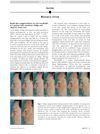
December 2015 in “Journal of the American Academy of Dermatology” This case study reported significant but temporary hair regrowth and skin repigmentation in a patient with vitiligo and alopecia areata during treatment with oral ruxolitinib.