3 citations
,
July 2022 in “Brain and Behavior” This study observed that a CARASIL mouse model demonstrated abnormal behavior, vascular and cellular changes, and upregulation of the TGF-β/Smad signaling pathway, indicating its potential involvement in CARASIL pathogenesis.
 February 2026 in “Clinical Cosmetic and Investigational Dermatology”
 This case report describes a 7-year-old girl who developed radiation-induced alopecia after a neurointerventional procedure, with dermoscopy revealing specific hair and scalp patterns that helped diagnose this rare complication. The findings highlight the importance of dermoscopy in distinguishing RIA from other alopecic disorders in children.
 March 2025 in “Journal of Cosmetic Dermatology”
 The study found that botulinum toxin-A significantly increased the diameter of the supratrochlear artery in a small patient group, suggesting potential vasodilatory benefits for treating ischemic conditions.
January 2025 in “Tesis Doctorals en Xarxa (Consorci de Serveis Universitaris de Catalunya)” This study found a significant correlation between estradiol/testosterone imbalance and erectile dysfunction severity in Klinefelter syndrome patients, also highlighting high satisfaction with penile prosthesis in both psychogenic and organic cases.
 December 2024 in “JEADV Clinical Practice”
 This study found that male patients with androgenetic alopecia were associated with an increased risk of varicose veins, but not other major vascular diseases.
January 2022 in “Exclusive Real World Evidence Journal” This case report describes a 22-year-old female with systemic lupus erythematous whose primary symptom was vasculitic polyneuropathy, characterized by polyneuropathy and various positive autoimmune markers.
 April 2018 in “The journal of investigative dermatology/Journal of investigative dermatology”
 This study demonstrated that prevascularized human skin constructs containing engineered hair follicles can successfully induce human hair growth when grafted onto mice by promoting blood supply to the grafted skin.
 January 2015 in “D-Scholarship@Pitt (University of Pittsburgh)”
 This dissertation investigated barriers to clinical translation of adipose-derived mesenchymal stem cell-based vascular grafts, highlighting issues with thrombosis in diabetic patients and proposing alternative cell sources to improve applicability.
 January 2014 in “International Journal of Case Reports and Images”
 This case report describes a 62-year-old woman diagnosed with undifferentiated connective tissue disease and renal amyloidosis, presenting symptoms like joint pain, Raynaud's phenomenon, and carpal tunnel syndrome.
26 citations
,
November 2022 in “European journal of medical research” This review discusses the potential of nanoparticles to modify angiogenesis processes for therapeutic applications and reports no new clinical results, highlighting challenges and future prospects in treating angiogenesis-related diseases.
17 citations
,
October 2001 in “British Journal of Ophthalmology” This report highlights a case where intralesional cidofovir successfully treated squamous cell carcinoma without systemic toxicity, suggesting it may be a viable alternative to surgical excision.
 14 citations
,
April 2009 in “Acta Medica Scandinavica”
14 citations
,
April 2009 in “Acta Medica Scandinavica” In this study, oral minoxidil combined with other medications improved blood pressure control in patients with severe hypertension but often had to be discontinued due to side effects.
 13 citations
,
October 2020 in “Journal of Neural Transmission”
13 citations
,
October 2020 in “Journal of Neural Transmission” In this study, CD34-positive progenitor cells in irradiated salivary glands were observed to potentially aid in blood vessel formation and remodeling, suggesting their role in tissue healing after radiotherapy.
9 citations
,
August 2021 in “Biomedicines” This study found that 17β-estradiol was the most powerful hormone for inducing APE1/Ref-1 secretion in cultured vascular endothelial cells, with secretion occurring through exosomes dependent on estrogen receptors and intracellular calcium.
3 citations
,
October 2001 in “British Journal of Ophthalmology” In this case, intralesional cidofovir showed a successful outcome for treating SCC without systemic toxicity, suggesting it may be worth considering alongside surgical excision.
2 citations
,
April 2025 in “Cells” This study found that heat preconditioning of nanofat from mice did not improve tissue vascularization or integration in grafting, and actually reduced vascularization due to increased expression of anti-angiogenic factors, suggesting it is not beneficial for enhancing its vascularization properties.
2 citations
,
March 2022 in “Laboratory Animal Research” This study suggests that a mild intramuscular dose of botulinum toxin improved spermatogenesis and sperm parameters in ageing mice.

This study found that γδ T cells play a role in regulating stromal behavior, influencing the composition and vascularity of fibrotic tissues during the foreign body response.
 1 citations
,
June 2019 in “Current developments in nutrition”
1 citations
,
June 2019 in “Current developments in nutrition” This case study reports that pancreatic enzyme replacement and fatty acid supplementation improved symptoms of fat malabsorption and essential fatty acid deficiency in a patient with EDS-4.
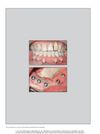 June 2017 in “International Journal of Periodontics & Restorative Dentistry”
 This study found that using retroauricular full-thickness skin grafts in vestibuloplasty contributed to successful cosmetic and functional outcomes in dental implant rehabilitation for patients with mandibular gunshot injuries.
 April 2026 in “Zenodo (CERN European Organization for Nuclear Research)”
 This study introduces a hypothesis that elevated DHT at puberty may cause chronic thermal stress in specific scalp areas, potentially explaining Androgenetic Alopecia characteristics and guiding future research.
 April 2026 in “Zenodo (CERN European Organization for Nuclear Research)”
 This paper introduces a hypothesis that elevated DHT at puberty may increase cerebral heat output, creating chronic thermal stress linked to androgenetic alopecia, and suggests this could be tested with MR thermometry.
July 2025 in “OPAL (Open@LaTrobe) (La Trobe University)” In this study, researchers developed a novel method using ultrasound stimulation and a hydrogel delivery system to enhance the regenerative effects of stem cell-derived extracellular vesicles on severe skin injuries, resulting in improved healing and hair follicle regeneration in a mouse model.
October 2021 in “bioRxiv (Cold Spring Harbor Laboratory)” This study found that a mild intramuscular dose of BOTOX increased spermatogenesis and improved sperm quality in ageing mice, suggesting potential benefits for managing male infertility.
 January 2020 in “Research Square (Research Square)”
 In this study, Irish adults with severe obesity who had cervical or axillary skin tags showed higher systolic blood pressure, higher HbA1c levels, and more diabetes and hypertension, suggesting an increased vascular risk.
50 citations
,
November 2010 in “Tissue Engineering Part A” This study found that combining hair follicle-derived smooth muscle cells with a natural biomaterial created vascular constructs with mechanical and functional properties similar to native arteries, suggesting potential for arterial implantation.
 33 citations
,
May 1991 in “British Journal of Pharmacology”
33 citations
,
May 1991 in “British Journal of Pharmacology” Cromakalim relaxes various blood vessels, while minoxidil sulphate is more selective; they likely act on different potassium channels.
 26 citations
,
December 2017 in “Journal of Investigative Dermatology”
26 citations
,
December 2017 in “Journal of Investigative Dermatology” This study found that the acceleration of endothelial to mesenchymal transition due to loss of Notch signaling led to delayed wound healing and increased scarring in skin wounds.
9 citations
,
April 2022 in “Cell Communication and Signaling” This study found that the S100A4/NMIIA axis contributes to glioblastoma progression by recruiting and promoting migration of GBM cells along blood vessels, correlating with worse patient outcomes.
 December 2021 in “Research Square (Research Square)”
 In this study, high expression of S100A4 in glioblastoma was associated with worse patient survival and promoted tumor progression by enhancing pro-tumorigenic vascular functions.