49 citations
,
October 1989 in “Genomics” Type I keratin genes are closely linked to the rex locus on mouse chromosome 11, affecting hair development.
May 2023 in “Pharmaceuticals” In this in silico study, researchers analyzed nonsynonymous SNPs in the LIPH gene linked to hypotrichosis and identified three potentially harmful variants (W108R, C246S, and H248N) out of 215 total, using sequence- and architecture-based bioinformatics techniques to differentiate between harmful and benign SNPs.
3 citations
,
July 2015 in “Biotechnic & histochemistry” This study suggests that Bim and Puma proteins play a role in hair follicle development and maintenance, although they only partially overlap with apoptosis during normal hair cycle stages.
 3 citations
,
June 2022 in “European journal of human genetics”
3 citations
,
June 2022 in “European journal of human genetics” This study reports the first cases of recessive KRT17-related pachyonychia congenita involving all ectodermal derivatives in seven members of two consanguineous Pakistani families.
 11 citations
,
June 2019 in “Tissue & Cell”
11 citations
,
June 2019 in “Tissue & Cell” This study indicates that COL17A1 plays a crucial role in the differentiation process of hair-follicle-associated pluripotent stem cells.
July 2024 in “Journal of Investigative Dermatology” 
This study found that inhibiting AP-1 activity in mice can induce lineage transdifferentiation between squamous and sebaceous tumors, suggesting AP-1's role in maintaining tumor cell identity.
 8 citations
,
March 2014 in “American Journal of Pathology”
8 citations
,
March 2014 in “American Journal of Pathology” This study found that hairless mice with homozygous mutations developed significantly more aggressive basal cell carcinomas and a heightened inflammatory response to UVB exposure compared to their haired littermates.
 January 2016 in “Journal of Investigative Dermatology”
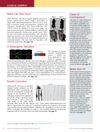
 Some cells may slow melanoma growth, a protein could affect skin pigmentation, a gene-silencing method might treat hair defects, skin bacteria changes likely result from eczema, and a defensin protein could help treat multiple sclerosis.
6 citations
,
March 1996 in “Journal of Investigative Dermatology”  December 2022 in “American journal of medical genetics. Part A”
 This case report describes an instance of autosomal recessive uncombable hair syndrome caused by maternal uniparental disomy of chromosome 1.
This study found that inhibiting AP-1 transcription factors in mice causes squamous tumors to transform into sebaceous tumors and regulates tumor cell lineage.
112 citations
,
August 2012 in “The American Journal of Human Genetics” In this study, two unique mutations in the RBPJ gene were identified and linked to Adams-Oliver syndrome, confirming impaired DNA binding of mutated RBPJ as a factor in this rare genetic disorder.
January 2018 in “bioRxiv (Cold Spring Harbor Laboratory)” This study found that the mutant hairless rhino bald protein in mice interacts with the vitamin D receptor but cannot repress its transactivation and shows abnormal cellular localization.
46 citations
,
November 2007 in “Gene Expression Patterns” This study observed that Trps1 gene expression in mice is precisely regulated in skin development, particularly during hair follicle morphogenesis, with distinct localization patterns in different cell types.
32 citations
,
August 2020 in “American Journal Of Pathology” This study reports that in ovarian high-grade serous carcinoma, overexpressed S100A4 likely promotes epithelial-mesenchymal transition and cancer stem cell properties, affecting tumor behavior through its interaction with NMIIA and mutant p53.
 February 2023 in “Research Square (Research Square)”
 This study reports that a new mouse model with a CARD14 mutation successfully mimics key human PRP symptoms, and anti-IL-17A antibody significantly reduces these symptoms.
61 citations
,
September 1994 in “Journal of Medical Genetics” This study found strong evidence linking a keratin gene anomaly to pachyonychia congenita, supporting its role in affecting skin, nails, hair, and mucosa.
 December 2023 in “American journal of medical genetics. Part A”
 In this study, researchers identified compound heterozygous variants in the MBTPS1 gene associated with ectodermal dysplasia features in a 14-year-old female, broadening the known disorder spectrum linked to these genetic mutations.
 71 citations
,
June 2001 in “American Journal of Pathology”
71 citations
,
June 2001 in “American Journal of Pathology” This study found that p53 plays a crucial role in regulating apoptosis during hair follicle regression (catagen) in mice, and its absence leads to delayed progression and altered expression of apoptosis-related markers.
14 citations
,
May 2017 in “Journal of Investigative Dermatology” This study reports a novel homozygous mutation in the DST gene causing a unique form of epidermolysis bullosa simplex with prurigo papules in a 39-year-old Syrian man.
January 2025 in “Scholarly Commons (University of Pennsylvania)” This study found that the X-linked gene UTX is crucial for regulating skin differentiation and inflammation in females by affecting retinoic acid signaling, also highlighting potential links to sex disparities in skin diseases.
 17 citations
,
October 2006 in “Molecular and Cellular Endocrinology”
17 citations
,
October 2006 in “Molecular and Cellular Endocrinology” This study found that the L457(3.43)R mutation in the human luteinizing hormone receptor increases phosphodiesterase activity, reducing hormonal response despite elevated basal cAMP levels.
59 citations
,
November 2011 in “Development” This study found that the transcription factor Trps1 acts as a novel regulator of the Wnt signaling pathway and early hair follicle progenitors in developing vibrissa follicles in mice.
26 citations
,
June 2003 in “PubMed” In this study, severe hair loss occurred in PKC epsilon transgenic mice treated with DFMO during skin tumor prevention, highlighting a link between polyamine biosynthesis, hair follicle maintenance, and metastasis suppression.
69 citations
,
January 2015 in “Cell & tissue research/Cell and tissue research” Keratin mutations cause skin diseases and could lead to new treatments.
 87 citations
,
September 2019 in “Nature Communications”
87 citations
,
September 2019 in “Nature Communications” In this study, researchers identified that upon tissue injury in a mouse model, epidermal cells at the wound edge convert to an embryonic-like state with SOX11 and SOX4 playing a central role in modulating epidermal development and cell migration genes.
65 citations
,
September 2014 in “Orphanet Journal of Rare Diseases” This study identified mutations in the STUB1 gene linked to hereditary cerebellar ataxia with cognitive impairment, revealing potential effects on protein function and patient symptoms, including accelerated aging.
58 citations
,
July 2005 in “Molecular and Cellular Biology” This study showed that a 2-kilobase upstream region of the mouse keratin 17 gene enables targeted GFP expression in major epithelial appendages of transgenic mice, indicating sonic hedgehog's involvement in its regulation.
January 2026 in “Therapeutics” This study found that SCUBE3 protein is upregulated in various cancers, promoting tumor growth and poor outcomes, while suppressing growth in renal cell carcinoma, and may serve as a diagnostic marker and potential therapeutic target for several diseases due to its secreted nature.