 March 2026 in “Clinical Cosmetic and Investigational Dermatology”
 In this case study, treatment with the selective JAK1 inhibitor upadacitinib significantly improved symptoms in a patient with refractory alopecia areata, vitiligo, ankylosing spondylitis, and allergic asthma-nasal syndrome, though a transient liver function abnormality was noted.
25 citations
,
October 2018 in “Pediatric dermatology” In this study, three pediatric patients with alopecia areata demonstrated hair regrowth after being treated with ustekinumab.
2 citations
,
October 2000 in “Journal of Investigative Dermatology” AUC and APL are distinct conditions needing careful clinical assessment.
 41 citations
,
December 2015 in “JAMA Dermatology”
41 citations
,
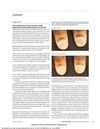
December 2015 in “JAMA Dermatology” Tofacitinib citrate improved nail dystrophy and pain in patients with alopecia universalis without causing side effects.
65 citations
,
March 2004 in “Journal of Clinical Investigation” In this study, overexpression of ornithine decarboxylase accelerated basal cell carcinoma in Ptch1+/– mice under UVB exposure, while its inhibition reduced tumor induction, suggesting potential chemoprevention strategies in humans.
 9 citations
,
January 2014 in “DARU Journal of Pharmaceutical Sciences”
9 citations
,
January 2014 in “DARU Journal of Pharmaceutical Sciences” This study found that Cuscuta reflexa extracts promoted hair regrowth and follicular proliferation in cyclophosphamide-induced hair loss in male rats.
 1 citations
,
January 2024 in “Curēus”
1 citations
,
January 2024 in “Curēus” This case study reported significant clinical improvement in a 26-year-old male with dissecting cellulitis of the scalp after treatment with upadacitinib, suggesting that JAK inhibitors may be a promising option for refractory cases, where standard treatments have limited success.
18 citations
,
June 2016 in “Clinical and Experimental Dermatology” This case study reports that an infant with maple syrup urine disease developed acrodermatitis dysmetabolica due to low isoleucine levels, and increasing the isoleucine dose improved the condition.
 2 citations
,
April 2019 in “Journal of the American Society of Nephrology”
2 citations
,
April 2019 in “Journal of the American Society of Nephrology” This study found that fluconazole increased water transport in renal cells via effects on aquaporin-2 channels, suggesting potential as a treatment for nephrogenic diabetes insipidus, though clinical trials are needed to confirm efficacy in humans.
 August 2023 in “Dermatology reports”
 This case study of a 2-month-old boy with maple syrup urine disease highlights the dangers of restricting branched-chain amino acid intake, as it led to acrodermatitis dysmetabolica-like skin eruptions and hair loss, later resolved with careful dietary adjustments and monitoring.
January 2019 in “Dermatologica Sinica” This study observed that dutasteride treatment led to improvement in acne vulgaris among two male patients with androgenetic alopecia, suggesting its potential as a treatment option for concurrent conditions.
July 2026 in “Journal of the American Academy of Dermatology” This study observed that upadacitinib demonstrated significant efficacy and favorable safety for treating alopecia areata over 12 months in a real-world setting, with patients having an atopic background showing better early response; no serious adverse events were reported.
19 citations
,
August 2023 in “Journal of Dermatological Treatment” This case study reports that abrocitinib therapy led to clinical remission of alopecia universalis in a patient with a history of drug-induced DRESS, suggesting its potential as a treatment option.
 10 citations
,
May 1983 in “International Journal of Dermatology”
10 citations
,
May 1983 in “International Journal of Dermatology” This study found that four out of ten patients with alopecia areata experienced some hair regrowth after PUVA therapy, though this treatment should be reserved for those unresponsive to other options due to potential long-term side effects.
1 citations
,
July 2023 in “Clinical Cosmetic and Investigational Dermatology” In this report, a 54-year-old woman with familial dyskeratotic comedones showed slight improvement in skin lesions after topical retinoids and urea cream. This source also describes the first dermoscopic findings for this condition and reviews 21 previous cases.
14 citations
,
January 2014 in “Tropical Journal of Pharmaceutical Research” In this study, a hydroalcoholic extract of Urtica dioica L. showed potential for use as an adjunct topical treatment for tinea corporis in guinea pigs infected with Microsporum canis.
20 citations
,
December 1995 in “Veterinary Dermatology” This study identified a marked reduction in melanin in the hair of Yorkshire Terriers with Colour Dilution Alopecia and proposed a new pathogenetic mechanism based on these observations.
 5 citations
,
June 2015 in “Veterinary dermatology”
5 citations
,
June 2015 in “Veterinary dermatology” This case report describes a canine with alopecia areata universalis treated with oral ciclosporin, which was associated with hair regrowth, but some areas remained hairless after 17 months.
2 citations
,
February 2023 in “Actas Dermo-Sifiliográficas” Baricitinib effectively improved both atopic dermatitis and alopecia areata symptoms in a patient.
 June 2024 in “International Journal of Dermatology”
 This article in the International Journal of Dermatology reports on a case series where the drug upadacitinib was used to treat patients with recalcitrant lichen planopilaris, but no abstract or detailed results are provided to assess its efficacy or safety fully.
49 citations
,
January 2009 in “The Journal of Clinical Endocrinology & Metabolism” DHEA treatment helps grow pubic hair and boosts mood in girls with adrenal issues.
 13 citations
,
January 2011 in “International Journal of Trichology”
13 citations
,
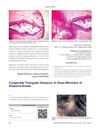
January 2011 in “International Journal of Trichology” CTA is often mistaken for AA but doesn't respond to steroids and may require hair transplantation.
July 2025 in “Ultrasound in Medicine & Biology” This study found that nanobubble-encapsulated diclofenac with ultrasound-targeted microbubble destruction (DNBs-UTMD) can enhance the anti-tumor efficacy of Doxil® by regulating the tumor immune microenvironment, improving drug uptake, and increasing T cell responses while reducing immune-suppressive cells in the process.
 January 2025 in “Journal of Fungi”
 This case report highlights the importance of early mycological diagnostics, supported by dermoscopy and ultraviolet-enhanced fluorescence dermoscopy, in preventing scarring from kerion celsi-associated hair loss in children.
3 citations
,
July 2023 in “International Journal of Trichology” This study found that treatment with diphenylcyclopropenone led to more than 75% hair regrowth in 33.3% of patients with alopecia totalis or alopecia universalis, despite notable side effects.
 April 2016 in “Journal of the American Academy of Dermatology”
 This study found that in a tertiary academic institution, nearly 1 in 5 dermatology consults were for drug-related skin reactions, with antibiotics frequently identified as the culprits.
 March 2024 in “Clinical, cosmetic and investigational dermatology”
 This study reported that five patients with alopecia areata achieved satisfactory results using 15 mg of Upadacitinib daily after conventional treatments had failed, without experiencing adverse events.
July 2026 in “Journal of the American Academy of Dermatology” 3 citations
,
January 2025 in “SAGE Open Medical Case Reports” In this case report, a 48-year-old woman with refractory discoid lupus erythematosus showed significant improvement, including hair regrowth, after treatment with deucravacitinib, suggesting its potential as an effective therapy for this condition.
 September 2023 in “Journal of The American Academy of Dermatology”
 This announcement discusses the recent FDA approval of baricitinib for treating severe alopecia areata in adults and reports no new clinical results.