 76 citations
,
June 2015 in “Journal of biomedical science”
76 citations
,
June 2015 in “Journal of biomedical science” This study demonstrated that dominant mutations in mouse gasdermin A3 disrupt mitochondrial oxidative stress regulation, suggesting a gain-of-function effect on epidermal differentiation.

This study developed a topical dutasteride-loaded Insitu-emulgel for treating androgenetic alopecia, finding it effectively controls drug release, enhances skin penetration, and may improve patient compliance compared to traditional topical treatments, though further clinical research is underway.
 March 2024 in “IP Indian journal of clinical and experimental dermatology”
 In this study conducted at a tertiary care center, rural elderly patients often exhibited skin conditions like wrinkling, generalized pruritus, xerosis, eczematous skin conditions, and psoriasis, highlighting the need for better health education on skin care, early diagnosis, and management.
 April 2026 in “Journal of Cancer”
 This review reports that the compound Cepharanthine shows promise as a cancer therapy by inducing cell death, arresting cell growth, inhibiting tumor progression, modulating key oncogenic pathways, and reversing multidrug resistance, suggesting its potential for further investigation in oncology.
 74 citations
,
June 2018 in “Cell death and disease”
74 citations
,
June 2018 in “Cell death and disease” In this study, researchers found that depleting mtDNA in mice caused skin wrinkles and hair loss but restoring mitochondrial function reversed these effects, highlighting mtDNA's significant role in skin and hair health.
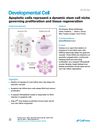 25 citations
,
June 2021 in “Developmental Cell”
25 citations
,
June 2021 in “Developmental Cell” In this study, researchers found that deleting Caspase-9 in hair follicle stem cells delayed apoptosis, leading to accelerated wound repair and new hair follicle regeneration by maintaining apoptotic cells as signaling centers.
 October 2025 in “Animal Bioscience”
 This review summarizes the application of genome wide association studies and selection signature analyses in sheep and goat breeding in China, highlighting genomic regions that influence traits like reproductive performance and body size.
 April 2024 in “Journal of cancer research and clinical oncology”
 This review discusses the isolation, characterization, and potential clinical applications of tissue-derived extracellular vesicles in cancer diagnosis, prognosis, and treatment, noting their significance but highlighting the risks and need for appropriate protocols.
 6 citations
,
February 2025 in “Scientific Reports”
6 citations
,
February 2025 in “Scientific Reports” This study found that MEGA PROTAC improved the prediction of ternary structures with higher maximum DockQ scores compared to the BOTCP method in 16 out of 22 test cases.
21 citations
,
February 1988 in “Toxicology” This study found that high doses of TCB caused severe toxicity in cotton top marmoset monkeys, with clinical and histological changes similar to those in humans and other primates exposed to PCBs.
This article reviews approved treatments for androgenetic alopecia and reports no new research findings, highlighting the need for further studies.
6 citations
,
June 2025 in “Nano Biomedicine and Engineering” This source reports on advances in stimulus-responsive nanoparticle-based PROTACs (nano-PROTACs), which aim to overcome existing challenges like poor cell permeability and systemic off-target effects by enabling controlled protein degradation through endogenous or exogenous stimuli, potentially enhancing therapeutic efficacy and reducing toxicity.
24 citations
,
November 2015 in “Frontiers in Genetics” This review discusses the development and potential therapeutic effects of nitroxide small molecule agents for age-related macular degeneration and cardiovascular disease, but reports no new clinical results.
April 2026 in “Future Medicinal Chemistry” This article discusses the impact of PROTACs technology in transforming drug discovery with its novel degradation mechanism, but it reports no new experimental findings.
 February 2026 in “Oncology Reviews”
 This review highlights the promising clinical outcomes of sacituzumab tirumotecan (sac-TMT), an antibody-drug conjugate for breast cancer that targets TROP2, demonstrating improved response rates and progression-free survival, with manageable safety concerns including primarily mild-to-moderate nausea and alopecia.
50 citations
,
September 2023 in “Biomarker Research” This review focuses on S100A6, a Ca²⁺-binding protein, detailing its role in cell functions, the regulation of its expression, and its potential as a biomarker and therapeutic target in various diseases.
21 citations
,
January 2023 in “International Journal of Molecular Sciences” This review discusses the role and interactions of the calcium-binding protein S100A6 in cellular processes and its association with various diseases, highlighting the need for further research to fully understand its biological impact.
7 citations
,
March 2023 in “Arabian Journal of Chemistry” This study suggests that cepharanthine may play an important role in treating SARS-CoV-2 infection by targeting multiple pathways and related targets associated with COVID-19.
3 citations
,
April 2021 in “Oncology Times” This study reports that sacituzumab govitecan achieved a 33.3% overall response rate in patients with metastatic triple-negative breast cancer who had prior treatments, with a median response duration of 7.7 months.

This study reported that the Fe@C/CB electrocatalyst effectively detected Metol in water samples with a low detection limit, high sensitivity, and good stability, suggesting it as a promising tool for environmental monitoring.
33 citations
,
May 2017 in “Journal of Clinical Oncology” This phase I study reported that ETC-159, targeting Wnt signalling, showed tolerable safety profiles at doses that inhibit its pathway, though bone turnover markers increased, warranting early and regular monitoring. No tumor responses were observed, but two patients achieved stable disease for several cycles.
5 citations
,
March 2020 in “Thoracic Cancer” In this phase I study, CT-707, a new ALK inhibitor, showed a 77% response rate among Chinese patients with advanced ALK-rearranged non-small cell lung cancer, suggesting clinical effectiveness despite some adverse events like diarrhea and liver enzyme elevation.
November 2006 in “評価・診断に関するシンポジウム講演論文集” This study found that KSR1 is essential for v-Ha-ras-mediated skin tumor formation in mice but not for MT-driven mammary tumor genesis, suggesting its potential as a therapeutic target in Ras/MAPK signaling.
 2 citations
,
September 2022 in “Jelenkori Társadalmi és Gazdasági Folyamatok”
2 citations
,
September 2022 in “Jelenkori Társadalmi és Gazdasági Folyamatok” This study examines the use and forms of collaborative robot arms in industry, assesses safety and regulatory standards based on ISO/TS 15066, and explores future directions for human-robot collaboration in light of evolving EU Machinery Directive 2006/42/EC regulations.
This study introduces a new type of tissue micromodule, the micro tissue precursor (μTP), which can form complex 3D tissues, including lung stroma and skin models supporting hair viability.
52 citations
,
June 1991 in “Journal of Virology” In this study, researchers found that the ability of hamster polyomavirus to cause lymphoid tumors in Syrian hamsters may be linked to its association with the tyrosine kinase p59fyn.
 January 2024 in “Wiadomości Lekarskie”
 This study reported the development of fluorescent markers using wide band gap metal oxides with rare earth ions for early tumor detection and treatment. Testing in animals showed high efficiency and selectivity, with potential applications in contrast-enhanced MRI, targeted drug delivery, and photodynamic cancer therapy.
3 citations
,
August 2023 in “Biophysical Journal” In this study, researchers found that epithelial cells exhibit density-dependent metabolic heterogeneity, particularly in the pre-epithelial transition stage, where metabolic patterns correlate with cell proliferation and are influenced by actomyosin contractility.
3 citations
,
January 2020 in “The journal of investigative dermatology/Journal of investigative dermatology” This study found that epidermolysis bullosa simplex keratinocytes had impaired mitochondrial activity and more dispersed mitochondrial distribution compared to normal human keratinocytes.
3 citations
,
January 2017 in “Journal of cardiovascular pharmacology” This article discusses the challenges in hypertension management, emphasizing the need to reconsider the use of minoxidil and address excess dietary sodium and arteriolar hypertrophy, but reports no new clinical results.