Search
for
Sort by
Research
480-510 / 1000+ resultsresearch ALOPECIA AREATA TREATED WITH THORIUM-X
research Khảo sát tác dụng kích thích mọc lông của cao ethanol toàn phần chiết xuất từ bột lá Tía tô (Perilla frutescens L. (Britt)) trên chuột nhắt Swiss albino rụng lông do testosteron
In this study on Swiss albino mice, researchers reported that perilla leaf extract stimulated hair growth similarly to minoxidil, counteracting hair loss induced by testosterone injections.
research Use of Low Level Laser in Cosmetic Dermatology
This review discusses the benefits and applications of low level laser therapy in cosmetic dermatology, particularly for skin conditions and pigmentation disorders, but reports no new clinical results.

research Treatment of Alopecia with Low-Level Light Therapy
This review highlights the potential benefits of low-level light therapy for treating various alopecias, with reported improvements in hair density and count, especially when combined with minoxidil or finasteride, but it offers no new clinical results.

research Plant-Derived Biostimulants Differentially Modulate Primary and Secondary Metabolites and Improve the Yield Potential of Red and Green Lettuce Cultivars
This study found that the application of plant-derived biostimulants, Trainer® and Auxym®, significantly affected various physiological traits in lettuce, but responses varied depending on the cultivar.
research Systematic review of low-level laser therapy for adult androgenic alopecia
This study evaluated the use of low-level laser therapy for treating androgenic alopecia in adults, finding it a promising and safe at-home option for stimulating hair growth compared to sham devices, though further research is needed to confirm its clinical effectiveness.

research Enhanced Hair Regrowth Through Dual‐Wavelength Low‐Level Laser Therapy: A Comparative Study on Mice
This study found that using dual-wavelength low-level laser therapy is more effective for hair regrowth in mice than single-wavelength treatment and significantly better than no treatment, based on 14 days of phototherapy with LED lights.
research P62 Pre-clinical pharmacological and skin penetration profile of LDE255, a novel and specific Smoothened antagonist
This study found that LDE225, a novel Smo antagonist, shows potential as a topical treatment for basal cell carcinoma due to its high affinity binding and effective inhibition of tumor growth in preclinical models.
research Serenoa Repens (Saw Palmetto) for Lower Urinary Tract Symptoms (LUTS): The Evidence for Efficacy and Safety of Lipidosterolic Extracts. Part III
This review concludes that global literature supports the lipidosterolic extract of Serenoa repens as efficacious and safe for treating lower urinary tract symptoms, with some studies showing equivalence to common pharmacologic agents.

research Low-level laser therapy and narrative review of other treatment modalities in androgenetic alopecia
LLLT is a safe, promising hair loss treatment, but more research needed.
research Low-level laser treatment stimulates hair growth via upregulating Wnt10b and β-catenin expression in C3H/HeJ mice
This study found that low-level laser treatment may promote hair regrowth in mice by activating the Wnt10b/ß-catenin pathway and inducing the anagen phase of hair follicles.
research Use of low-level laser therapy as monotherapy or concomitant therapy for male and female Androgenetic alopecia
This study found that low-level laser therapy may improve hair growth in patients with androgenetic alopecia, either as a standalone treatment or combined with minoxidil or finasteride, without reported adverse reactions.
research Defining the Localization and Molecular Characteristic of Minor Salivary Gland Label-Retaining Cells
The researchers reported that minor salivary gland stem cells exhibit stem cell characteristics and respond to tobacco-derived carcinogens, implicating the transforming growth factor beta pathway in their maintenance.
research Low-level light therapy and hair loss
This review discusses the application of low-level light therapy for hair loss treatment, particularly androgenetic alopecia, and reports no new clinical results; the authors suggest consideration of light source characteristics and potential pros and cons.

research Low-power laser use in the treatment of alopecia and crural ulcers
This study found that Low Power Laser therapy may be an effective complementary treatment for scalp alopecia and crural ulcers, showing quicker and potentially better results than conventional treatments.
research Lower Urinary Tract Symptoms in the Elderly Male: Choosing Wisely
This editorial discusses the management of lower urinary tract symptoms in elderly males and does not provide new research findings.
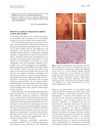
research Refractory cutaneous lichenoid sarcoidosis treated with tranilast
This paper reports a single case of lichenoid cutaneous sarcoidosis that was unresponsive to standard treatments but showed marked improvement with the administration of oral tranilast.
research Testosterone-stimulated weanlings as an alternative to castrated male rats in the Hershberger anti-androgen assay
Using testosterone-stimulated weanling rats can effectively replace castrated rats for anti-androgen testing, reducing animal stress.

research The effects of fulvic acids and low-level laser therapy on orthodontic retention in rats
This study found that low-level laser therapy effectively reduced relapse rates, while functional appliances did not; combining them offered no additional benefits.
research Repeated Low-Level Red-Light Therapy for Controlling Onset and Progression of Myopia-a Review
This review discusses the potential of repeated low-level red-light therapy to inhibit myopia progression through metabolic effects, highlighting its molecular and cellular impact, but reports no new clinical results.
research PRIMERA PARTE EFECTO DEPILATORIO DEL "COCO DE MONO" (LECYTHIS OLLARIA )
This study found that ingesting seeds from the Lecythis ollaria tree may cause hair loss and other toxic effects in animals.
research LP-161 Tjalma syndrome (Pseudo-Pseudo Meigs Syndrome): polyserositis with increased CA-125 in patients with systemic lupus erythematosus
This case report highlights that Tjalma Syndrome may present as a main symptom of systemic lupus erythematosus and should be considered in patients with ascites, pleural effusions, and elevated CA-125 levels.

research Heat‐treated Limosilactobacillus fermentumLM1020 with menthol, salicylic acid, and panthenol promotes hair growth and regulates hair scalp microbiome balance in androgenetic alopecia: A double‐blind, randomized and placebo‐controlled clinical trial
This study investigated the effects of heat-treated Limosilactobacillus fermentum LM1020 on hair growth and reported increased hair density, improved cellular activity, and beneficial scalp microbiota changes in patients with androgenetic alopecia over 24 weeks.
research Hacia una oscuridad luminosa de las circunstancias
This study found that cornifin-alpha/SPRR1 expression in mouse skin increases significantly in response to phorbol ester treatment and in papillomas and squamous cell carcinomas, particularly in differentiated areas.
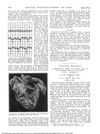
research THALLIUM POISONING
This report describes eleven cases of thallium poisoning in individuals who consumed tortillas made from barley mixed with thallium sulphate, leading to symptoms including tingling, abdominal pain, vomiting, and limb weakness.
research Clinical Observation of Method of Tonifying Kidney and Removing Toxins in Treating SLE
This study found that Chinese medicine treatment "Tonifying Kidney and Removing toxins" significantly improved clinical symptoms and reduced disease activity in patients with systemic lupus erythematosus compared to controls.
research Letters to the Editor
The letters discussed medical tools, costs, treatment efficacy, and patient care complexities.
research Laser-Assisted Exosome Delivery (LAED) with Fractional CO2 Laser: A Pilot Two-Case Report and Narrative Review
This study introduced laser-assisted exosome delivery and observed early signs of clinical improvement in two patients, though causality cannot be inferred from these preliminary, uncontrolled cases.

research The long road traveled in hematopoietic stem cell gene therapy
This study found that betibeglogene autotemcel significantly improved transfusion independence in 89% of patients with transfusion-dependent beta-thalassemia, although the high cost and manufacturing challenges may limit widespread adoption.