 25 citations
,
April 2015 in “Journal of Investigative Dermatology”
25 citations
,
April 2015 in “Journal of Investigative Dermatology” This study found that Gsdma3 mutation in mice allows hair follicles to bypass a typical telogen phase and directly enter the anagen phase, suggesting Gsdma3's role in hair cycle transitions by regulating Wnt signaling.
In this study, researchers identified the c.296C>T (p.T99I) variant in the KRT32 gene, which co-segregates with loose anagen hair syndrome, and found it decreases binding affinity to KRT82, potentially weakening hair anchorage.
21 citations
,
January 2000 in “Fetal Diagnosis and Therapy” This study found that trichothiodystrophy can be diagnosed prenatally in the second trimester using an endoscopically-guided fetal eyebrow biopsy, with sulfur content analysis being the most reliable test.
 December 2022 in “International Journal of Research in Dermatology”
 This pilot study found that growth factor concentrate therapy improved hair growth in patients with androgenetic alopecia, was well tolerated, and achieved high patient satisfaction.
 11 citations
,
June 2012 in “Acta histochemica”
11 citations
,
June 2012 in “Acta histochemica” This study found that Gsdma3 mutations in mice led to thicker skin and longer hair infundibula, possibly by negatively regulating β-catenin expression in the epidermis.
January 2026 in “Biochemical Pharmacology”  318 citations
,
January 2022 in “Signal Transduction and Targeted Therapy”
318 citations
,
January 2022 in “Signal Transduction and Targeted Therapy” This study systematically reviews the Wnt/β-catenin signaling pathway, discussing its origin, composition, function, involvement in tumors and diseases, and the development of small-molecular compounds targeting this pathway for disease treatment.
This study found that GPC1 plays a crucial role in regulating angiogenesis in human dermal microvascular endothelial cells, which may make it a potential target in alopecia treatment research.
42 citations
,
July 2017 in “Molecular therapy” This study found that applying a tocotrienol-rich phytochemical topically induced hair follicle development in adult mice, revealing a new epidermal pathway involving E-cadherin and β-catenin.
 December 2024 in “Kırıkkale Üniversitesi Tıp Fakültesi Dergisi”
 This study found that chromosomal microarray analysis identified copy number variations in 12% of patients with dysmorphic features and congenital anomalies, demonstrating its potential as a diagnostic tool, especially for rare CNVs and immune deficiency linked to the deletion of CTLA4.
 5 citations
,
October 2018 in “Dermatologic therapy”
5 citations
,
October 2018 in “Dermatologic therapy” This case report describes the first recorded instance of congenital triangular alopecia in the mid-frontal scalp region, challenging the assumption that it is restricted to the frontotemporal area.
1 citations
,
January 2008  January 2024 in “Genetics in Medicine Open”
 In this report, two adult patients with Tatton-Brown-Rahman syndrome exhibited new cardiac features, such as atrial fibrillation and ventricular and atrial dilatation, highlighting the importance of cardiovascular follow-up in adults with this condition.
 June 2026 in “Frontiers in Oncology”
 In this study, researchers found that deficiencies in Gsdma1/2/3 significantly inhibited the initiation and progression of cutaneous squamous cell carcinoma (cSCC) in mice, suggesting GSDMA's role in promoting cSCC proliferation and its potential as a therapeutic target.
 September 2021 in “CRC Press eBooks”
 This article discusses features, genetics, and diagnostic challenges of central centrifugal cicatricial alopecia in African American women but reports no new clinical results.
This study found that the Arabidopsis cation chloride cotransporter CCC1 is critical for regulating pH in the trans-Golgi network/early endosome, impacting plant growth and stress response.
3 citations
,
January 1991 in “Toxicology in Vitro” This study reports that hair follicle cultures are effective for gap junctional intercellular communication studies and can be used to assess the tumor-promoting activity of certain environmental chemicals.
This case report highlights the clinical and trichoscopic diagnosis of congenital triangular alopecia in a 9-month-old boy and notes the condition's typical unresponsiveness to traditional treatments.
 5 citations
,
January 2020 in “Wiadomości lekarskie (Warsaw Poland)”
5 citations
,
January 2020 in “Wiadomości lekarskie (Warsaw Poland)” This study found that patients with GERD and UCTD have significantly more frequent phenotypic and visceral markers than those with GERD alone, which should inform early diagnostic and treatment strategies.
34 citations
,
January 2023 in “Therapeutic Advances in Medical Oncology” This study found that the safety and effectiveness of sacituzumab govitecan in patients with metastatic triple-negative breast cancer in Germany align with existing clinical trial data.
January 2009 in “Epsilon: Revista de la Sociedad Andaluza de Educación Matemática "Thales"” This report describes a Cronkhite-Canada syndrome patient with severe sepsis and disseminated intravascular coagulation successfully treated using combined therapies, including recombinant human soluble thrombomodulin.
 September 2022 in “Medical Mycology”
 This study found that three protocols for generating Titan cells in vitro from Candida neoformans vary in their kinetics and transcriptomic profiles, pointing to differences which could impact further research.
June 2020 in “Zenodo (CERN European Organization for Nuclear Research)” This study suggests that the DNMT3B -579 G>T polymorphism may be a genetic risk factor for colorectal cancer in the Azerbaijani population.
9 citations
,
April 2024 in “The Oncologist” This study found that sacituzumab govitecan improved health-related quality of life in most areas for patients with HR+/HER2− metastatic breast cancer compared to chemotherapy, except for increased diarrhea, supporting its use as a treatment option.
 August 2012 in “Nature Cell Biology”
 This study provides direct evidence that the Wnt-β-catenin pathway promotes TERT expression in stem and cancer cells, linking tumorigenesis with pluripotency.
 May 2025 in “Medical Science Monitor”
 This review discusses recent research on the use of concentrated growth factor (CGF) for treating androgenetic alopecia, highlighting its potential to enhance hair regrowth and improve hair density but noting the need for high-quality clinical trials.
 May 2024 in “Animal genetics”
 The researchers investigated a Maine Coon cat with suspected classical Ehlers-Danlos Syndrome and discovered a heterozygous deletion in the COL5A1 gene, underscoring the value of whole-genome sequencing for precise veterinary diagnostics.
October 1984 in “Immunology Today” January 1995 in “Journal of the Society of Cosmetic Chemists” This study found no conclusive evidence of biocatalytic activity of guinea pig liver transglutaminase with virgin human hair, potentially due to a fatty acid layer on the hair surface.
 November 2025 in “PARIPEX-INDIAN JOURNAL OF RESEARCH”
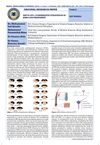
 GFC is more effective than PRP for treating hair loss.