 20 citations
,
April 2011 in “Dermatologic Surgery”
20 citations
,
April 2011 in “Dermatologic Surgery” Laser therapy helped new hair grow in scarred skin for three patients.
71 citations
,
October 2013 in “Experimental Dermatology” This review discusses the similar immune pathways and genetic risk factors of vitiligo and alopecia areata but reports no new clinical findings, emphasizing the potential for shared treatment research.
39 citations
,
June 2023 in “Advanced Materials” This review discusses the unique advantages and challenges of microneedle arrays for vaccine and immunotherapy delivery but reports no new clinical results.
52 citations
,
January 2023 in “Annual Review of Immunology” This review discusses how immune mechanisms contribute to the regeneration and repair of epithelial tissues and highlights their potential role in both disease and therapeutic innovation; it reports no new clinical results.
4 citations
,
October 2024 in “International Journal of Molecular Sciences” In this study, topical naringin was found to significantly improve dermatitis severity and reduce inflammatory markers in a mouse model of atopic dermatitis, suggesting its potential as a therapeutic agent for this condition.
8 citations
,
November 2024 in “EMBO Molecular Medicine” In this study, researchers found that disrupting EGFR signaling in mice led to increased inflammation and hair follicle damage but that inhibiting the JAK-STAT1 pathway could restore hair growth and skin function.
27 citations
,
May 2016 in “Integrative Cancer Therapies” In this study, in vitro and in vivo models showed that chrysin enhanced the efficacy of docetaxel and reduced its adverse effects in non–small cell lung cancer treatment.
1 citations
,
October 2019 in “International Journal of Dermatology and Venereology” This review discusses the role of zebrafish as a model for studying human hereditary pigmentary disorders and reports no new experimental results, emphasizing their genetic similarities and the genetic tools available.
 4 citations
,
May 2025 in “npj Parkinson s Disease”
4 citations
,
May 2025 in “npj Parkinson s Disease” This study identified peripheral myeloid cells as the earliest dysregulated immune cells in PINK1 KO mice with Parkinson’s-like symptoms following intestinal infections, suggesting that PINK1 regulates gut immune functions linked to early Parkinson’s disease mechanisms.
 15 citations
,
July 2015 in “Journal of Essential Oil Bearing Plants”
15 citations
,
July 2015 in “Journal of Essential Oil Bearing Plants” This review discusses the phytoconstituents and biological properties of T. orientalis and T. occidentalis, but reports no new clinical results.
July 2024 in “JAAD Case Reports” This article discusses the clinical and histological features of alopecia areata, a T-cell-mediated autoimmune disorder causing unpredictable nonscarring hair loss, without providing new clinical findings.
98 citations
,
March 2019 in “Frontiers in immunology” This study concluded that heterozygous NFKB2 mutations lead to a distinct and severe form of primary immunodeficiency with early onset, primarily T cell-mediated autoimmunity, and impaired B-cell differentiation.
 1 citations
,
October 2023 in “Life science alliance”
1 citations
,
October 2023 in “Life science alliance” This study observed that pantethine, a vitamin B5 precursor, attenuates tumor growth in immunocompetent mice by enhancing antitumor immunity, but its effect is limited by immune cell exhaustion over time.
November 2025 in “FEBS Open Bio” In this study, the researchers using Shh-GFP+/- mice found that cyclophosphamide-induced alopecia involves the JAK/STAT1 pathway, where STAT1 binds the Shh gene promoter, decreasing Shh-expressing cells in hair follicles. Treatment with JAK inhibitors helped rescue hair loss, implicating the JAK/STAT1 pathway in this process.
 103 citations
,
January 2009 in “Carbon”
103 citations
,
January 2009 in “Carbon” This study found that carbon nanotube impurities induced immunological toxicity in mice, whereas purified nanotubes showed good biocompatibility, suggesting high-temperature thermal treatment may improve nanotube biocompatibility.
 2 citations
,
September 2022 in “Bioscientia medicina”
2 citations
,
September 2022 in “Bioscientia medicina” This literature review highlights the effectiveness of topical vitamin D (e.g., calcipotriol, calcitriol) in treating vitiligo, emphasizing its role in melanogenesis and as an immunomodulator, either alone or combined with topical corticosteroids, offering minimal side effects.

This review discusses cyclosporine A's mechanisms of action and side effects compared to tacrolimus in renal transplantation, but it reports no new experimental results; the authors highlight implications for cardiovascular risk management.
 February 2026 in “Frontiers in Immunology”
 In this review, researchers detail how immunosenescence and chronic neuroinflammation contribute to Parkinson's disease progression, exploring potential therapeutic strategies targeting this axis, such as senolytic agents and immune rejuvenation, while highlighting associated challenges and future research needs.
 1 citations
,
December 2004 in “Hepatology”
1 citations
,
December 2004 in “Hepatology” This study found that in lamivudine-resistant hepatitis B patients, tenofovir significantly reduced HBV DNA levels faster and more consistently than adefovir, reaching undetectable levels in all treated patients by 44 weeks.
 2 citations
,
January 2014 in “Springer eBooks”
2 citations
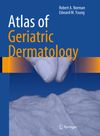
,
January 2014 in “Springer eBooks” The book details skin conditions in older adults, their link to mental health, cancer treatment importance, hair loss remedies, and managing autoimmune and itchy skin.
 January 2024 in “Wiadomości Lekarskie”
 This presentation discusses the importance of fluid therapy in critical care, reviewing current data, guidelines, and emerging technologies to help clinicians make informed decisions about fluid type and volume for treating critically ill patients. Results are not reported in this abstract.
 January 2024 in “Wiadomości Lekarskie”
 This preclinical study found that exercise-induced extracellular vesicles delayed breast cancer tumor growth in mice, potentially by enhancing the immune response within the tumor microenvironment.
 August 2001 in “Veterinary Dermatology”
 This article reviews topics from the American Academy of Veterinary Dermatology and American College of Veterinary Dermatology Annual Meeting and contains no new clinical findings.

This study examined hair mineral and free amino acid components in various diseases and found that when using effect size analysis, specific components related to diabetes and other conditions were identified, suggesting their potential as novel health indicators.
7 citations
,
November 2021 in “JAAD Case Reports” This study highlights that although mogamulizumab is highly effective for treating mycosis fungoides and Sézary syndrome, it frequently causes a variety of rashes as side effects.
4 citations
,
October 2020 in “The journal of investigative dermatology. Symposium proceedings/The Journal of investigative dermatology symposium proceedings” This study suggests that IL-4 and IL-13 may play a role in the immunopathogenesis of alopecia areata in some patients, indicating a possible Th2-driven pathway in this condition.
27 citations
,
February 2023 in “Frontiers in Cell and Developmental Biology” This review discusses the expanded understanding of WNT10B's role in various tissues and diseases over the past decade, emphasizing its genetic correlations and potential therapeutic implications, but reports no new clinical results.
January 2026 in “Pediatrics International” This report examines the cautious approach to administering live vaccines to an infant with a heterozygous FOXN1 variant, noting the importance of monitoring TREC levels and immune function indicators in guiding vaccination decisions in such cases.
 May 2024 in “European Journal of Immunology”
 This review discusses the potential of targeting Coenzyme A metabolism to restore metabolic balance, reduce chronic inflammation, and enhance immune function, particularly by modulating Vitamin B5 pathways involved in Th17-mediated inflammation and CD8-dependent anti-tumor immunity.
7 citations
,
July 2013 in “InTech eBooks” This article describes the various presentations of oral lichen planus and notes it often requires topical or systemic immunosuppressive treatment for associated discomfort, but it reports no new clinical results.