October 1966 in “Archives of Dermatology” This abstract reports no research results and details a case presentation of a 19-year-old woman with alopecia universalis treated with DMSO/Fluocinolone Acetonide, providing no new clinical findings.
 2 citations
,
March 2017 in “Asian Journal of Beauty and Cosmetology”
2 citations
,
March 2017 in “Asian Journal of Beauty and Cosmetology” This study found that caffeic acid reduced UVB-induced damage and oxidative stress in human dermal papilla cells, suggesting its protective efficacy against such cellular damage.
 18 citations
,
May 2015 in “Australasian Journal of Dermatology”
18 citations
,
May 2015 in “Australasian Journal of Dermatology” This study found that topical application of Serenoa repens extract increased hair count in men with androgenetic alopecia, suggesting it could be an alternative for those unable to use standard medications.
 6 citations
,
September 2024 in “Metabolism and Target Organ Damage”
6 citations
,
September 2024 in “Metabolism and Target Organ Damage” This review discusses the role of skin enzymes in drug metabolism and emphasizes the need for models assessing enzyme activity to evaluate the safety and bioequivalence of topical generic drugs, highlighting efforts to standardize testing protocols for transdermal products.
16 citations
,
January 1998 in “PubMed” This review discusses the genetic and environmental factors involved in the development of skin cancers like squamous cell carcinoma, basal cell carcinoma, and melanoma, but does not report new clinical findings.
 April 2016 in “Journal of Investigative Dermatology”
 The researchers reported that SOX4 expression is significantly upregulated in melanoma and its knockdown in cell lines resulted in reduced tumor progression, suggesting potential for targeted therapies.
November 2025 in “Journal of Dermatological Treatment” This study reviewed a corticosteroid treatment regimen for a 52-year-old woman with extensive alopecia areata, showing significant hair regrowth and sustained remission over 12 months, suggesting oral mini-pulse therapy as a viable alternative for those ineligible for JAK inhibitors.
July 2026 in “Journal of Drug Delivery Science and Technology” 11 citations
,
October 2022 in “Clinical Cosmetic and Investigational Dermatology” In this study, SNPs in genes affecting skin pigmentation were linked to each skin type's unique response to environmental stress, suggesting potential for personalized skin care products.
10 citations
,
May 1991 in “Journal of the American Academy of Dermatology” January 2023 in “Applied sciences” This study suggests that Equisetum debile extracts, particularly the ethyl acetate fraction, may offer natural cosmeceutical benefits for treating hyperpigmentation, delaying skin aging, and remediating hair loss due to androgenic alopecia.
January 2025 in “Archives of Dermatological Research” 
This study validated a new test method using a patented chamber to measure the efficacy of a sunscreen in reducing carbon black particle adhesion, with a 55% reduction observed on treated skin in a group of 22 women.
 31 citations
,
February 2019 in “International Journal of Cosmetic Science”
31 citations
,
February 2019 in “International Journal of Cosmetic Science” This study found that ultraviolet radiation negatively affects hair follicle functions in human scalp skin, and caffeine application may provide some protective effects against this damage.
4 citations
,
September 2025 in “Journal of the American Academy of Dermatology” The trial helped find the best dose of deuruxolitinib for treating alopecia areata.
April 2009 in “Skin Pharmacology and Physiology”  8 citations
,
October 1989 in “International Journal of Dermatology”
8 citations
,
October 1989 in “International Journal of Dermatology” This review discusses the role of Cytochrome P-450 in dermatology and reports no new clinical results.
March 2022 in “Journal of Pakistan Association of Dermatologists” This article reviews the mode of action, efficacy, and safety of Janus kinase inhibitors in autoimmune dermatological conditions but reports no new clinical results.
 1 citations
,
November 2023 in “Contact dermatitis”
1 citations
,
November 2023 in “Contact dermatitis” In this study, sensitization to ethylhexyl salicylate was found in 27.3% of patients with frontal fibrosing alopecia, suggesting it may be a potential contact allergen for this condition.
 February 2024 in “Buletin Veteriner Udayana”
 In this case report, treatment with ivermectin, antihistamines, vitamin B complex, and sulfur soap reduced skin lesions and itching in a 5-month-old dog diagnosed with demodecosis after 14 days.
 1 citations
,
May 2018 in “The journal of investigative dermatology/Journal of investigative dermatology”
1 citations
,
May 2018 in “The journal of investigative dermatology/Journal of investigative dermatology” This meeting synopsis on the 66th Annual Montagna Symposium reports no new results but outlines discussions on precision dermatology, integrating molecular insights with clinical applications for personalized skin care.
 2 citations
,
August 2019 in “PubMed”
2 citations
,
August 2019 in “PubMed” This abstract reports that topical minoxidil is currently the only FDA-approved treatment for pattern hair loss in both men and women.
 January 2024 in “Editora In Vivo eBooks”
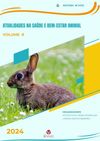
 In this case report, researchers document a female dog in tropical conditions with dermatophytosis, a zoonotic fungal infection common in hot and humid climates, showing symptoms like alopecia on the neck and ear tips.
1 citations
,
April 2015 in “The FASEB journal” In this study using SKH-1 mice, researchers observed that acute UVB exposure increased expression of retinoid metabolism proteins and decreased retinol storage enzyme levels, suggesting enhanced retinoic acid synthesis in the epidermis.
 January 2013 in “Dermatology”
 The ILDS Newsletter reported on efforts to support albinism patients in Tanzania and dermatological conferences.
17 citations
,
October 2013 in “Der Hautarzt” 2 citations
,
September 2021 in “JAAD case reports” This report describes a case of trichodysplasia spinulosa in a renal transplant patient, characterized by unique dermatoscopic features and highlighting the need for timely diagnosis.

This review reports that thermal spring waters, enriched with a diverse hydrobiome, hold promising potential for use in dermocosmetics, as their bioactive compounds could enhance skin protection, repair, and appearance, benefiting conditions like atopic dermatitis and rosacea.
 12 citations
,
August 2020 in “JEADV. Journal of the European Academy of Dermatology and Venereology/Journal of the European Academy of Dermatology and Venereology”
12 citations
,
August 2020 in “JEADV. Journal of the European Academy of Dermatology and Venereology/Journal of the European Academy of Dermatology and Venereology” This study found that most chronic alopecia areata patients treated with azathioprine, methotrexate, or cyclosporine continued treatment for at least 12 months, often requiring concurrent low-dose prednisolone.
This study found that skin lesions in systemic lupus erythematosus patients are significant for diagnosis and prognosis, with malar rash and diffuse hair loss being common indicators of disease activity.