In this study, researchers found that an injectable solution of low-molecular-weight hyaluronic acid and amino acids significantly improved skin rejuvenation and elasticity in the labia majora of post-menopausal women over 12 weeks, with a reported 25% or greater aesthetic improvement and high patient satisfaction.
January 2017 in “대한본초학회지(본초분과학회지)” This study found that Sinseon-yukza-hwan extract has strong antioxidative properties, effectively inhibiting free radical generation, which supports its potential use as a natural antioxidant.
July 2025 in “Journal of Investigative Dermatology” Some sunscreen ingredients may be linked to hair loss, but more research is needed.
January 2005 in “Digital Commons - University of South Florida (University of South Florida)” This research identified distinct attitudes influencing sunbathing and tanning salon use among female university students, with general attractiveness and skin aging concerns being strong predictors of sun exposure and protection intentions.
 November 2022 in “Journal of Investigative Dermatology”
 This study found that in mouse melanocytes, the cytoplasmic dynein complex component Dynlt3 is necessary for proper melanosome transport, acidity regulation, and effective transfer to keratinocytes, linking it to skin pigmentation processes.
2 citations
,
April 2021 in “International Journal of Cosmetic Science” This study found that a sunscreen with oxothiazolidine and δ-tocopheryl glucoside provided complementary oxidative protection, with immediate but brief effects from oxothiazolidine and prolonged effects from the slower-absorbing δ-tocopheryl glucoside.
 January 2011 in “Web journal anti-aging medicine/Anti-aging medicine”
 In this study, kamishoyosangoshimotsuto extract improved skin moisture, texture, and brightness, as well as hair thickness and strength in women with skin and scalp hair problems over 24 weeks.
4 citations
,
August 2015 in “Journal of Cosmetic Dermatology” This study found that UVA blocker-containing sunscreens instantly reduced follicular fluorescence due to porphyrins in facial skin, with the effect lasting for a few hours, influenced by sunscreen amount and formulation.
6 citations
,
May 2025 in “Cosmetics” This review synthesizes research on solar radiation's multifaceted effects on skin and recent advancements in sunscreen technology, including formulation, testing methods, and the use of AI, to inform future sun protection product development.
9 citations
,
January 2021 in “Journal of the American Academy of Dermatology” 
This study found that topical application of Sinsun-yukza-hwan extract significantly increased hair density and thickness in a mouse alopecia model and enhanced expression of growth-related genes.
This study compiles data on the microstructural and cytotoxic properties of nano physical sunscreens, emphasizing the need for a technology platform to assess nanomaterial characteristics due to their growing use in cosmetics.
 5 citations
,
January 2010 in “International journal of trichology”
5 citations
,
January 2010 in “International journal of trichology” This report describes two cases of alopecia totalis treated with turban psoralen and sunlight exposure, but it provides no clinical outcome results.
November 2025 in “Journal of Clinical Practice and Medical Research” This study analyzed techniques to create the popular "sun-kissed" hair look on dark-to-medium blonde (Level 5–6) tones, concluding that a 2–3 level differential, targeted placement across three cranial zones, and acidic glossing are essential for optimal results.
4 citations
,
September 2020 in “Journal of Mind and Medical Sciences” This study synthesized a new organic sunscreen with broad photoprotective properties and demonstrated it to be non-toxic. The resultant cream, containing nanostructured lipid carriers, showed suitable application qualities and achieved a satisfactory SPF value of 16.
 1 citations
,
December 2022 in “Exploration of Medicine”
1 citations
,
December 2022 in “Exploration of Medicine” This review discusses the antioxidant and photoprotective potential of Polypodium leucotomos for use as a natural sunscreen ingredient and reports no new experimental results; further studies are recommended to evaluate its effectiveness.
 21 citations
,
January 2013 in “Annals of dermatology/Annals of Dermatology”
21 citations
,
January 2013 in “Annals of dermatology/Annals of Dermatology” In this study, combination therapy with cyclosporine and PUVA for severe alopecia areata resulted in a majority of patients showing only fair to poor responses, though some improvements were noted.
January 2026 in “DR-NTU (Nanyang Technological University)” This study found that melanosomes extracted from human hair waste can effectively block UVA and UVB radiation when used as a natural UV filter in sunscreens, performing comparably to commercial UV filters and remaining stable in cosmetic formulations.
 24 citations
,
December 2011 in “Journal of The American Academy of Dermatology”
24 citations
,
December 2011 in “Journal of The American Academy of Dermatology” This study observed that melanoma survivors had higher odds of using sunscreen and seeking shade compared to cancer-free individuals, but their overall adherence to sun protection was less than expected given their elevated risk for new skin cancers.
January 2009 in “Journal watch” This study enrolled nine patients to investigate the effects of oral psoralen and ultraviolet A therapy plus oral prednisolone for treating alopecia areata.
2 citations
,
June 2025 in “Frontiers in Public Health” This study reported that regular mole examinations and UVR protection are crucial for skin cancer prevention, particularly for individuals with fair skin, inflammatory skin conditions, diabetes, and those on photosensitizing medications.
1 citations
,
June 2025 in “Pharmacognosy Research” This study found that a polyherbal sunscreen cream, F4, containing Camellia sinensis, Vitis vinifera, and Silybum marianum extracts demonstrated strong antioxidant and photoprotective properties, similar to synthetic sunscreens.
 April 2019 in “Journal of Investigative Dermatology”
 This study found that emergency department visits due to sunburn were more prevalent and costly during the summer, with a higher likelihood among lower-income men from the South.
December 2012 in “http://isrctn.org/>”  89 citations
,
June 2012 in “Anais Brasileiros de Dermatologia”
89 citations
,
June 2012 in “Anais Brasileiros de Dermatologia” This review compiles epidemiological data on actinic keratoses and suggests promoting strategies like early diagnosis and photoprotection to prevent progression to skin cancer, but it reports no new clinical findings.
1 citations
,
July 2014 in “The journal of investigative dermatology/Journal of investigative dermatology” This review discusses various topics from the 62nd Annual Montagna Symposium on the Biology of Skin, focusing on the diverse effects of light on skin biology, and reports no new clinical results.
1 citations
,
September 2025 in “Journal of Cosmetic Dermatology” This study introduces the "skinspan" framework to promote skin longevity through sun protection, topical retinoids, and antioxidants as first-line care. It suggests lasers and emerging therapies as additional options but emphasizes the need for more randomized controlled trials to solidify the evidence base.
 November 2024 in “International Journal of Research in Dermatology”
 SesZen-BioTM improves skin health and reduces signs of aging.
 February 1996 in “International Journal of Dermatology”
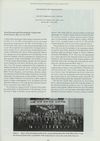
 This article offers a summary of the Seoul International Dermatology Symposium held in May 1995, but reports no new clinical findings.
 13 citations
,
December 2013 in “Chemistry Central Journal”
13 citations
,
December 2013 in “Chemistry Central Journal” This study developed an inexpensive method to provide initial data on both the photostability and toxicity of pure active principles and their photodegradation products.