 7 citations
,
March 2012 in “European Journal of Pediatrics”
7 citations
,
March 2012 in “European Journal of Pediatrics” This case report describes a 4.5-year-old boy with steroid-resistant nephrotic syndrome linked to X-linked recessive ichthyosis, where remission was achieved using cyclosporine, suggesting STS deficiency as a potential genetic cause of the condition.
 37 citations
,
September 2003 in “Journal of Medicinal Chemistry”
37 citations
,
September 2003 in “Journal of Medicinal Chemistry” This study found that compound 2g inhibits steroid sulfatase effectively without exhibiting estrogenic activity, making it a promising candidate for breast cancer treatment.
September 2022 in “Journal of The American Academy of Dermatology” This study examined the incidence of hyperkalemia in women over 65 with female pattern hair loss and spironolactone use, but the findings on risk remain unclear.
 25 citations
,
July 2013 in “Environmental Toxicology and Chemistry”
25 citations
,
July 2013 in “Environmental Toxicology and Chemistry” This study found that spironolactone reduced fish fecundity and caused masculinization of females at certain concentrations, while having no effect on Daphnia magna reproduction, underscoring concerns for environmental exposure to vertebrates.
3 citations
,
September 2025 in “PLoS ONE” In this study, researchers used the FAERS database to identify rare adverse events potentially linked to spironolactone, finding new safety signals such as a possible association with male endometriosis, suggesting further research is needed to understand these findings better.
 2 citations
,
June 2011 in “Journal of clinical and experimental investigations”
2 citations
,
June 2011 in “Journal of clinical and experimental investigations” This study found that oral zinc sulphate appeared effective and safe for treating thallium poisoning, particularly in reducing hair and skin symptoms and mitigating its severe progression in patients.
 January 2024 in “Current research in toxicology”
 This review reports that thallium poisoning causes severe neurological damage, with early gastrointestinal symptoms and later neurological dysfunction, and highlights the importance of early diagnosis and Prussian blue as an effective antidote.
7 citations
,
October 2021 in “Journal of Mind and Medical Sciences” This study found that most milk powder samples tested from the Romanian market contained element concentrations exceeding legal limits, especially potassium, calcium, chlorine, phosphorus, and aluminum.
 22 citations
,
January 2017 in “Dermatology”
22 citations
,
January 2017 in “Dermatology” In this retrospective study, spironolactone improved acne in 86% of patients while showing minimal side effects, suggesting it as a safe treatment option for postadolescent acne with a low risk of short-term adverse effects like hyperkalemia.
2 citations
,
May 2024 in “Nanomaterials” This study reports the synthesis of a hectorite/phenanthroline nanomaterial which acts as a potential fluorescent sensor for detecting Zn ions in water, offering a solution to the low solubility issue of traditional metal ion-detecting molecules.
May 1962 in “Zhurnal Fizicheskoi Khimii (U.S.S.R.) For English translation see Russ. J. Phys. Chem. (Engl. Transl.)” This review discusses the complex pathophysiology of polycystic ovary syndrome and reports no clinical trial results, emphasizing the need for better understanding to improve treatment options.
This research review found that spironolactone can significantly improve acne severity more effectively than a placebo, with 73.3% of patients reporting satisfaction despite a 26.7% rate of adverse events among the 1,548 participants studied.
 December 2024 in “Problems of Biological Medical and Pharmaceutical Chemistry”
 This study examined the hair ionomic profiles of first-year RUDN University students and found distinct elemental differences between those from the Moscow region and the Middle East, suggesting these profiles may reflect the geographical and climatic conditions of their previous environments.
July 2024 in “Reactions Weekly” 57 citations
,
January 2004 in “Journal of Radiation Research” This study found that zinc supplementation reduced the severity and delayed the onset of radiation-induced skin injury in rats, with the greatest protection observed at a dose of 10 mg/kg/day.
13 citations
,
November 2005 in “Epilepsia” This study suggests that the anticonvulsant effects of deoxycorticosterone in young rats may be mediated by its metabolites and interactions with multiple receptors, including mineralocorticoid and progesterone receptors.
 18 citations
,
May 2020 in “Biomolecules”
18 citations
,
May 2020 in “Biomolecules” This review discusses spironolactone's new roles in tumor immunosurveillance, DNA repair inhibition, and viral infection suppression, highlighting its potential to extend uses beyond traditional applications, but reports no clinical results.
 1 citations
,
May 2019 in “The Journal of Sexual Medicine”
1 citations
,
May 2019 in “The Journal of Sexual Medicine” This case report describes two women experiencing hormonally associated vestibulodynia and female arousal disorder, potentially linked to the use of spironolactone for androgen-mediated cutaneous disorders.
 38 citations
,
November 2016 in “Aaps Pharmscitech”
38 citations
,
November 2016 in “Aaps Pharmscitech” This study found that the nanostructured lipid carrier formulation with a 70:30 solid to liquid lipid ratio significantly increased the dissolution rate, entrapment efficiency, and stability of spironolactone compared to its raw form.
 1 citations
,
October 1935 in “Nature”
1 citations
,
October 1935 in “Nature” Potassium iodide prevents hair loss and reduces toxicity from thallium acetate.
 1 citations
,
November 2001 in “Acc Current Journal Review”
1 citations
,
November 2001 in “Acc Current Journal Review” This review found that 5α‐reductase inhibitors were associated with slightly increased rates of decreased libido, erectile and ejaculatory dysfunction, gynecomastia, and mood disorders compared to placebo, though their long-term effects remain unclear.
10 citations
,
August 2023 in “Clinical Nutrition” This study found that exposure to certain elements during pregnancy, measured in maternal hair, was associated with increased risk of gestational diabetes and potential impacts on infant neurodevelopment, with elements like Ta, Re, and Se posing the highest risk for gestational diabetes.
8 citations
,
January 2024 in “Current Research in Food Science” This study found that using composite alginate hydrogels containing Aloe vera, CMC, and tragacanth can improve the encapsulation efficiency and protect pumpkin seed protein hydrolysates from degradation during simulated gastrointestinal digestion, potentially increasing their applicability as functional food components.
6 citations
,
June 2022 in “Journal of Orthopaedic Surgery and Research” In this animal study, oral administration of wedelolactone significantly improved bone mineral density and reduced osteoclast numbers in a model of particle-induced osteolysis, suggesting potential as a treatment option.
1 citations
,
February 2024 in “International Journal of Physics Research and Applications” In this study, powdered milk samples from Senegal showed varying levels of heavy metals, with some exceeding acceptable maximum levels for calcium, potassium, and phosphorus, indicating potential safety concerns.
 1 citations
,
October 2023 in “The Journal of nutrition, health & aging”
1 citations
,
October 2023 in “The Journal of nutrition, health & aging” In this study, hair levels of zinc and chromium were associated with a reduced likelihood of age-related cognitive decline in centenarians and oldest-old adults, suggesting further research is needed on these elements' potential role in cognitive health among the elderly.
March 2023 in “International Journal of bioprinting” This study found that a bioprinted hydrogel scaffold with zinc and silicon ions significantly activated hair follicle stem cells and enhanced blood vessel formation, promoting hair growth in mouse wound models.
 6 citations
,
November 2004 in “Bioorganic & Medicinal Chemistry Letters”
6 citations
,
November 2004 in “Bioorganic & Medicinal Chemistry Letters” This study found that arylhydantoin and arylthiohydantoin derivatives with hydroxybutyl or methyl side-chains showed superior androgen receptor binding affinity and may serve as promising radioiodinated AR ligands.
 December 1998 in “Acta Crystallographica Section C-crystal Structure Communications”
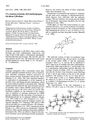
 This study describes the molecular conformation and intermolecular interactions in the crystalline structure of the compound C24H31BrO4.