 3 citations
,
November 2017 in “International Journal of Pharmacy and Pharmaceutical Sciences”
3 citations
,
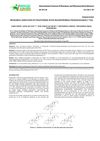
November 2017 in “International Journal of Pharmacy and Pharmaceutical Sciences” This study identified new oxidative derivatives of finasteride, including a newly discovered metabolite, by using the fungus Macrophomina phaseolina.
In this study, deer hair follicles were shown to be an effective in vitro bioassay model, demonstrating that K(ATP) channel modulators directly influence hair follicle growth through specific channel types.
December 2025 in “Toxicology and Applied Pharmacology”  January 2024 in “International Journal of Advanced Biochemistry Research”
 In this study investigating canine pyoderma, the researchers found that Staphylococcus species isolated from 57 dogs were most sensitive to the antibiotic Linezolid, with a 100% sensitivity rate, followed by other antibiotics like Doxycycline hydrochloride and Cefpodoxime.
 June 2024 in “International Journal For Multidisciplinary Research”
 This study aims to develop and evaluate herbal shampoo powder made from natural ingredients, focusing on its efficacy in removing debris and dandruff, enhancing hair development and shine, and strengthening and darkening hair. Results are not reported.

In this study, researchers explored how hypoxic preconditioning affects the survival and oxidative stress resilience of nestin-expressing hair follicle stem cells and SH-SY5Y neuroblastoma cells, focusing on changes in gene expression for HIF1α, BDNF, and VEGF.
 August 2018 in “Journal of The American Academy of Dermatology”
 Different treatments for skin conditions were found to be effective and generally safe, with biologics recommended as the first choice for generalized pustular psoriasis.
 January 2004 in “Journal of Clinical Dermatology”
 This study reported a case of a 34-year-old male developing allergic contact dermatitis to minoxidil solution, with positive patch test reactions attributed to the solution's ingredients, highlighting the potential for propylene glycol sensitivity.
 2 citations
,
August 2019 in “Turkish Journal of Chemistry”
2 citations
,
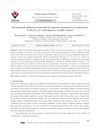
August 2019 in “Turkish Journal of Chemistry” This study reported that CoFe2O4 magnetic nanoparticles efficiently catalyzed the synthesis of minoxidil from 2,6-diamino-4-chloro-pyrimidine N-oxide, achieving a 95% yield with sustained reusability.
1 citations
,
March 2000 in “CRC Press eBooks”  25 citations
,
January 2002 in “Folia Pharmacologica Japonica”
25 citations
,
January 2002 in “Folia Pharmacologica Japonica” This article reviews the proposed mechanism of minoxidil in treating androgenetic alopecia, suggesting it may prolong the anagen phase by modulating cell growth factors and vascular activity, but reports no new results.
 June 2023 in “Antioxidants”
 This study found that lipids extracted from Schizochytrium sp. significantly enhanced the proliferation and survival of dermal papilla cells under oxidative stress, reduced reactive oxygen species, inhibited ferroptosis, and promoted antioxidant genes, which improved hair growth in experimental settings, suggesting a potential treatment for alopecia.
 May 2003 in “Hair transplant forum international”
 This review discusses the use of strontium in hair restoration, noting its effectiveness for managing post-operative itching but does not present new clinical results.
This study found that Scalp med®, a solution including minoxidil, significantly improved hair count and thickness in men with androgenetic alopecia after 24 weeks of treatment.
13 citations
,
July 2015 in “Archives of dermatological research” This study found that the spermidine analog N1-methylspermidine prolonged hair follicle growth and decreased inflammation and oxidative stress in cultured hair follicles, suggesting potential relevance for treating inflammatory scalp diseases.
 December 2013 in “미용예술경영연구”
 This study found that scalp treatments improved hair density and reduced the number of telogen bulbs in patients with Telogen Effluvium.
2 citations
,
September 2011 in “Revista de Ciências Farmacêuticas Básica e Aplicada” This study examined a shampoo containing chili pepper extract and biopolymer microspheres for hair loss treatment, finding that it was well tolerated by volunteers, particularly due to the exfoliation sensation.
 3 citations
,
January 2004 in “Sen i Gakkaishi”
3 citations
,
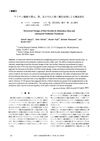
January 2004 in “Sen i Gakkaishi” This study found that adding dithiodiglycolic acid to the hair straightening process decreased chemical damage and preserved the structural integrity of the hair matrix compared to using thioglycolic acid alone.
July 2025 in “International Journal of Pharmacy and Pharmaceutical Science” This review explores the scientific basis and formulation strategies of herbal shampoos, highlighting the therapeutic benefits of bioactive plant extracts and discussing challenges and future directions for their development in the cosmetic industry.
January 2019 in “The Pharma Innovation Journal” This study found that optimal antioxidant properties of a cream-mask, as indicated by extended Paramecium caudatum motor activity in a toxic environment, were achieved with 10% Sophora japonica tincture and 5% Serenoa repens dry extract.
January 2012 in “Lume (Universidade Federal do Rio Grande do Sul)” 
Low-dose oral minoxidil is effective and generally safe for treating hair loss in women.
 October 2015 in “Elsevier eBooks”
 Minoxidil is effective for hair growth and safe for long-term use.
54 citations
,
January 1980 in “Dermatology” This study found that topical application of hair lotion containing 17α-estradiol may reduce androgenetic hair loss, as 63% of treated patients showed a decrease in telogen hairs compared to 37% in the control group.
April 2014 in “The FASEB journal” In this study, Rhododendron molle extract increased hair follicle length and growth factors while reducing mast cell and substance P expression in stressed mice, suggesting potential benefits for hair growth.
 March 2026 in “Journal of Pharmacy & Pharmacognosy Research”
 This study found that Syzygium aromaticum and Rosmarinus officinalis oils, used alone or together, were effective in promoting hair regrowth in rats, with the combined oils performing better than 2% minoxidil by accelerating regrowth initiation, completion, and enhancing hair quality measures.
1 citations
,
July 2016 in “PubMed” In this study, once-daily 5% minoxidil foam and twice-daily 2% minoxidil solution both promoted hair regrowth in women with female pattern hair loss, but noninferiority of the foam was not established.
 1 citations
,
August 2019 in “Pediatric dermatology”
1 citations
,
August 2019 in “Pediatric dermatology” This study reports that topical minoxidil 5% foam may effectively promote hair growth in congenital alopecia and hypotrichosis linked to desmoplakin mutations, as demonstrated by significant hair growth in an 8-year-old boy.
2 citations
,
January 1997 in “Journal of the society of cosmetic chemists” This study found that among 120 men, two antidandruff shampoos increased sebum excretion rate, while one shampoo decreased sebum output, highlighting distinct effects on the follicular reservoir.
7 citations
,
August 2020 in “Plastic and reconstructive surgery. Global open” In this study, QR 678 and QR 678 Neo formulations containing growth factors and peptides were found to be safe in vitro and promoted hair growth in vivo in an animal model, suggesting their potential as treatments for alopecia, including secondary alopecia post-chemotherapy.