 2 citations
,
October 2015 in “Primary Care: Clinics in Office Practice”
2 citations
,
October 2015 in “Primary Care: Clinics in Office Practice” This article discusses the evaluation and treatment options for alopecia but reports no new clinical results; it highlights the importance of early diagnosis and appropriate treatment.
 2 citations
,
August 2013 in “British Journal of Dermatology”
2 citations
,
August 2013 in “British Journal of Dermatology” This case report observed a dramatic improvement in a 15-year-old girl's pachyonychia congenita symptoms during chemotherapy for Ewing sarcoma, suggesting chemotherapy's potential role in managing hyperkeratotic conditions.
 2 citations
,
August 2020 in “Dermatologic Therapy”
2 citations
,
August 2020 in “Dermatologic Therapy” This analysis from Egyptian researchers identified common risk factors associated with chronic telogen effluvium in children, but it reports no new clinical results.
 1 citations
,
January 2021 in “Skin appendage disorders”
1 citations
,
January 2021 in “Skin appendage disorders” Chemotherapy patients don't all lose their hair due to factors like hair growth rates, age, genetics, and the type of drugs used.
 1 citations
,
March 2020 in “Australasian Journal of Dermatology”
1 citations
,
March 2020 in “Australasian Journal of Dermatology” This report describes five cases of bitemporal alopecia areata with frontal hairline involvement, detailing their management strategies and highlighting potential differential diagnoses, but does not present new clinical results.
 1 citations
,
May 2018 in “Journal of Evolution of medical and Dental Sciences”
1 citations
,
May 2018 in “Journal of Evolution of medical and Dental Sciences” This study assessed the safety, efficacy, and feasibility of platelet-rich plasma injections in treating androgenetic alopecia, but it reports no clinical results.
 1 citations
,
May 2015 in “Journal of The American Academy of Dermatology”
1 citations
,
May 2015 in “Journal of The American Academy of Dermatology” Lichen planus pigmentosus and fibrosing frontal alopecia in Colombia are likely different stages of the same disease.
 1 citations
,
October 2013 in “Expert Review of Dermatology”
1 citations
,
October 2013 in “Expert Review of Dermatology” This paper reviews the differential diagnoses and diagnostic tests to distinguish alopecia areata from other types of hair loss, without providing new clinical findings.
 1 citations
,
June 2013 in “Medicine”
1 citations
,
June 2013 in “Medicine” This article reviews how to take a thorough dermatological history, conduct examinations, and discusses diagnostic tools; it reports no new clinical findings.
 1 citations
,
August 2018 in “Journal of The American Academy of Dermatology”
1 citations
,
August 2018 in “Journal of The American Academy of Dermatology” In this study, teledermatology did not significantly differ from in-person visits in complete response rates for actinic keratosis treatment, but it showed higher treatment failures and more frequent local reactions.
 November 2025 in “International Journal of Recent Innovations in Medicine and Clinical Research”
 The abstract does not provide any specific research findings or results, but rather serves as a promotional description for IP Innovative Publication Pvt Limited, highlighting their services and publication offerings in medical journals and related fields from Delhi, India.
 May 2024 in “International Journal of Advanced Multidisciplinary Research and Studies”
 In this cross-sectional study of COVID-19 positive patients in Bangladesh, researchers found that maculo-papular eruptions were the most common dermatological manifestation, with other prevalent conditions including chilblain-like eruptions, urticarial lesions, and petechiae/purpura.
 August 2023 in “International Ayurvedic medical journal”
 In this thesis, the authors concluded that various lifestyle factors such as poor dietary habits, stress, and inadequate hair care habits contribute significantly to hair fall, or Khalitya, highlighting the role of lifestyle changes in mitigating hair loss.
 January 2023 in “Journal of men's health”
 This study found a weak positive correlation between dihydrotestosterone levels and C-reactive protein in COVID-19 patients, particularly in those with low testosterone, suggesting potential inflammatory effects.
 June 2015 in “Vestnik dermatologii i venerologii”
 This review discusses the role of growth factors in hair physiology and their involvement in conditions like androgynous and focal alopecia, reporting no new clinical findings.
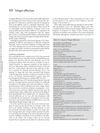 April 2012 in “Informa Healthcare eBooks”
 Telogen effluvium is a common hair loss condition where many hairs enter the resting phase, often not noticeable until significant loss occurs, and treatment focuses on the underlying cause.
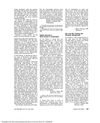 July 1976 in “Archives of Dermatology”
 This letter argues that the lymphangitis reported from using cantharidin on warts is instead a case of aseptic necrosis common to other aggressive wart treatments.
 October 2025 in “EMJ Dermatology”
 This study found that glucagon-like peptide-1 receptor agonist therapy was independently associated with an increased incidence of non-scarring hair loss, including telogen effluvium and androgenic alopecia, in adults but not alopecia areata.
 May 2011 in “British Journal of Dermatology”
 The 1891 epidemic skin disease was likely caused by arsenic poisoning, possibly from beer or fish.
 24 citations
,
July 1987 in “Dermatologic Clinics”
24 citations
,
July 1987 in “Dermatologic Clinics” This article reviews various causes of hair loss linked to systemic factors, noting that careful history and examination can lead to accurate diagnosis, but reports no new clinical results.
 April 2017 in “Australasian Journal of Dermatology”
 Different skin conditions show distinct types of vessel inflammation, a new quality of life index for vulval disease is reliable, a certain intrauterine system might be linked to chronic vaginal yeast infections, and oral minoxidil reduces hair loss in women.
1 citations
,
September 2017 in “Journal of Investigative Dermatology” Hair loss is more common in summer and fall.
 March 2015 in “CRC Press eBooks”
 This article discusses telogen effluvium in women, its causes, and typical diagnostic methods, but reports no new research findings on clinical outcomes or treatments.
This review discusses various drugs and chemicals potentially causing hair loss, mechanisms involved, and suggests models for testing but reports no new clinical findings.
 March 2024 in “Journal of Evidence-Based Integrative Medicine”
 This study found that a hair tonic containing 1% teak leaf extract significantly increased hair growth and user satisfaction in men with androgenic alopecia after 24 weeks, without causing adverse effects, and was comparable to the standard treatment, minoxidil.
 May 2015 in “Hair transplant forum international”
 This review discusses androgenetic alopecia and reports no clinical findings; the authors highlight a need for further research.
July 2025 in “International Journal of Trichology” This review discusses telogen effluvium, emphasizing its identifiable causes and treatment options, and reports no new clinical results.
 February 2021 in “Cureus”
 In this case report, the authors describe a rare presentation of alopecia areata mimicking frontal fibrosing alopecia, emphasizing the diagnostic value of trichoscopy and the need to consider alopecia areata in differential diagnoses.
 November 2025 in “BMC Genomics”
 This study examined how melatonin affects cashmere growth in goats, identifying potential molecular targets like ATP6V0A4, DLX3, and SMOC2 for enhancing cashmere yield and quality.
 June 2024 in “World Journal of Management Science”
 This abstract describes Upubscience Publisher as a prominent publisher of over 40 open access, peer-reviewed journals across numerous academic fields, supported by an editorial team of leading researchers. Results are not reported in this description.