 78 citations
,
May 2018 in “Plant Soil and Environment”
78 citations
,
May 2018 in “Plant Soil and Environment” This study found that inoculating tea plants with arbuscular mycorrhizal fungi significantly improved growth, root morphology, and leaf nutrient levels, with Claroideoglomus etunicatum showing the most substantial effects.
 15 citations
,
January 2016 in “Sustainable development and biodiversity”
15 citations
,
January 2016 in “Sustainable development and biodiversity” This review discusses the role of rhizobacteria as biofertilizers in promoting plant growth and sustainable agriculture, and it reports no new experimental results.
 November 2025 in “Frontiers of Agricultural Science and Engineering”
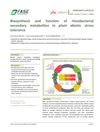
 This study observed that rhizobacterial strain RT3 significantly improved drought tolerance in lettuce by increasing survival rates and fresh biomass after rewatering, with metabolites such as proline and glycine enhancing stress resilience.
19 citations
,
March 2023 in “Resources” This review discusses the potential of solid-state fermentation for extracting polyphenolic compounds from agro-industrial wastes, but it reports no new experimental results.
17 citations
,
January 2020 in “Molecules” This study found that 42% of red yeast rice dietary supplements did not list monacolin concentrations on their labels, and only half of those that did contained the declared amounts.
 193 citations
,
February 2015 in “Nature Communications”
193 citations
,
February 2015 in “Nature Communications” Fungi-produced compounds can change plant root growth.
 September 2026 in “Animals”
 This study found that Rex rabbits had significantly shorter fibre length and thinner fur compared to New Zealand White rabbits, and identified a gene-metabolite network that may influence fur quality and development.
39 citations
,
May 2006 in “Molecular Plant-Microbe Interactions” This study suggests that fusaric acid at nontoxic concentrations may activate signal transduction in plants which could aid in the plant-defense responses against Fusarium spp.
 November 2024 in “Fermentation”
 In this study, researchers found that fermented ginsenoside from kimchi-derived bacteria enhanced hair growth in a mouse model and increased hair cell proliferation by 25% in vitro, suggesting potential as a therapeutic candidate for promoting hair growth.
 June 2024 in “Journal of medical pharmaceutical and allied sciences”
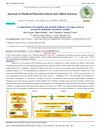
 In this study, researchers observed that Pectin from Nagpuri oranges significantly increased colony counts of probiotic bacteria like L. acidophilus and L. plantarum both in vitro and in vivo, suggesting potential use as a prebiotic or synbiotic in nutraceutical formulations.
 April 2024 in “BMC veterinary research”
 The article on the stomach-protecting effects of Cibotium barometz hair was retracted due to unreliable data.
 1 citations
,
December 2019 in “Archives of the Balkan Medical Union”
1 citations
,
December 2019 in “Archives of the Balkan Medical Union” In this study, injecting platelet-rich plasma into the muscular layer of the intestinal wall in rabbits significantly reduced adhesion development compared to soaking methods, suggesting an improvement in anastomosis regeneration.
 August 2009 in “한국실험동물학회 학술발표대회 논문집”
 Fermented Rhus Verniciflua Stokes Extract may help hair grow in cells and mice.
2 citations
,
June 2024 in “Heliyon” This study identified 1965 different metabolites in various tissues of *Oresitrophe rupifraga* Bunge using a targeted metabolomics approach and found significant metabolic differences between its aboveground and underground parts, providing insights into the plant's unique growth traits and potential cultivation and utilization.
 November 2023 in “Journal of animal science/Journal of animal science ... and ASAS reference compendium”
 This study investigated differences in gene expression in the mammary glands of SLICK and wild-type Holstein cattle, finding limited differences overall but identifying enriched pathways related to arachidonic acid metabolism and oxytocin production, which merit further exploration.
 6 citations
,
February 2023 in “Plant and Soil”
6 citations
,
February 2023 in “Plant and Soil” This study found that volatile organic compounds from Bacillus subtilis strain WM13-24 enhanced root development in Arabidopsis and its host plant through auxin signaling.
 February 2026 in “Animals”
 In this study, supplementing low-protein diets with 0.75% methionine maintained growth performance, improved fur quality, enhanced nutrient utilization, and supported intestinal microbiota balance in blue foxes, with significant results on several biochemical parameters and nutrient digestibility observed.
This study found that topical application of Cornus officinalis fermented with Lactobacillus rhamnosus increased hair regrowth in mice more than the positive control (minoxidil) did.
 13 citations
,
July 1951 in “Industrial & Engineering Chemistry”
13 citations
,
July 1951 in “Industrial & Engineering Chemistry” This research article evaluates the protein content of yeast grown on wood hydrolyzate, without providing new results or clinical findings.
17 citations
,
September 1953 in “Journal of Cell Science” This study found that the tetrazolium salt INT is the most effective for revealing dehydrogenase activity and certain histological structures in sheep and other mammals' skin.
 6 citations
,
November 2015 in “Equine Veterinary Education”
6 citations
,
November 2015 in “Equine Veterinary Education” This report describes the successful treatment of multiple extrapulmonary disorders from Rhodococcus equi pneumonia in a foal, emphasizing the importance of thorough diagnosis and targeted treatment.
 43 citations
,
October 1955 in “The journal of nutrition/The Journal of nutrition”
43 citations
,
October 1955 in “The journal of nutrition/The Journal of nutrition” This study found that male germ-free rats fed semisynthetic diets do not grow as rapidly as their conventional counterparts and require dietary biotin for normal metabolism and folic acid biosynthesis.
 15 citations
,
April 2020 in “Intestinal Research”
15 citations
,
April 2020 in “Intestinal Research” This study observed that fecal microbiota transplantation for ulcerative colitis may also offer incidental benefits such as weight loss, improved hair loss, and relief from axial arthritis and allergic rhinitis.
 January 2026 in “Physical Education Health and Social Sciences”
 This study found that integrating Lactobacillus-rich probiotic nutrition and fractional CO₂ laser therapy with clotrimazole in mucoadhesive hydrogels significantly improved clinical and structural outcomes for women with recurrent vulvovaginal candidiasis, suggesting a promising advanced therapy, though further validation in larger trials is needed.
 April 2026 in “Zenodo (CERN European Organization for Nuclear Research)”
 This case report proposes that Post-Finasteride Syndrome might be sustained by specific microbes in the small intestine affecting hormone excretion and mitochondrial function, warranting further investigation in a larger cohort.
 2 citations
,
January 2020 in “Libri Oncologici Croatian Journal of Oncology”
2 citations
,
January 2020 in “Libri Oncologici Croatian Journal of Oncology” In this study, PRP injections into the muscular layer of rabbits' intestinal walls improved anastomosis regeneration with less adhesion compared to PRP soaking, though further research is needed to determine the best application method.
 36 citations
,
June 2019 in “eLife”
36 citations
,
June 2019 in “eLife” This study introduces MicrobeFDT, a tool that clusters chemically similar compounds and links them to gut microbial enzymes and toxicities, demonstrating its utility by uncovering previously unknown metabolism of the cancer drug altretamine.
March 2017 in “Zenodo (CERN European Organization for Nuclear Research)” This study found that probiotics, specifically the L. plantarum MTCC 1325 strain, may have protective effects against Alzheimer's-like symptoms induced by D-Galactose in animal models, suggesting potential therapeutic use for neurodegenerative disorders.
April 2022 in “Gugje bogeon mi-yong haghoeji” In this study conducted using an in vitro model with rabbits, researchers found that citral from lemongrass oil, especially at a 1% concentration, improved comedone erythema and tissue hyperplasia, suggesting its potential as a treatment for comedone acne.
 5 citations
,
January 2016 in “Genetics and molecular research”
5 citations
,
January 2016 in “Genetics and molecular research” In this study, a specific SNP in the A2M gene of Murrah buffaloes was significantly associated with increased fat production and higher fat and protein percentages in milk.