Search
for
Sort by
Research
450-480 / 1000+ resultsresearch Cyproterone acetate for severe hirsutism:results of a double‐blind dose‐ranging study*
In this study, cyproterone acetate at 2 mg daily was found to be as effective as higher doses in reducing hair growth for hirsute women over 12 months.
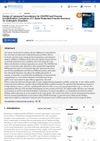
research Design of Liposome Formulations for CRISPR/Cas9 Enzyme Immobilization: Evaluation of 5-Alpha-Reductase Enzyme Knockout for Androgenic Disorders
This study reported that a novel cationic liposome formulation for delivering encapsulated Cas9 protein and sgRNA successfully decreased SRD5α2 mRNA expression by 29.7% in vitro, suggesting a potential alternative treatment option for conditions like prostate cancer and benign prostatic hyperplasia without current drug side effects.
research Experiences with Smo antagonist vismodegib for the treatment of locally advanced basal cell carcinoma
The study reported that vismodegib showed significant effectiveness in treating basal cell carcinoma, particularly in patients with Gorlin-Goltz syndrome or locally advanced BCC, but also highlighted substantial side effects, requiring careful management to prevent treatment resistance and maintain remission.
research Profile of the progesterone derivative chlormadinone acetate — Pharmocodynamic properties and therapeutic applications
This review summarizes the use of chlormadinone acetate for hormone replacement therapy and contraception, highlighting its anti-androgenic effects, contraceptive efficacy, and clinical tolerability, without offering new clinical results.

research Evaluation of Risk-Minimization Activities for Cyproterone Acetate 2 mg/Ethinylestradiol 35 µg: A Cross-Sectional Physician Survey
This study found that physician knowledge of thromboembolism risk associated with cyproterone acetate/ethinylestradiol was generally high, although it varied for complex or less common topics.

research ISID1108 - Comparison of ruxolitinib and a collagen-targeted PTH-based hair cycle stimulant on hair follicle counts and hair growth in the C3H/HeJ engrafted mouse model of alopecia areata.
In this study using C3H/HeJ mice, a single subcutaneous injection of the fusion protein PTH-CBD increased anagen hair follicle counts and promoted hair regrowth comparably to daily oral ruxolitinib, potentially by enhancing beta-catenin production and stimulating anagen transition.
research Efficacy and safety of ritlecitinib in adults and adolescents with alopecia areata: a randomised, double-blind, multicentre, phase 2b–3 trial
Ritlecitinib effectively treats alopecia areata and is well-tolerated.

research 5PSQ-056 Experience with tofacinitib and baricitinib in rheumatoid arthritis
This study found that tofacitinib and baricitinib had an acceptable adverse reaction profile when used to treat rheumatoid arthritis, with similar side effects to those described in their technical data sheets.
research Minoxidil
research Minoxidil
research Lupus and Pulmonary Nodules Consistent With Bronchiolitis Obliterans Organizing Pneumonia Induced by Carbamazepine
This report describes a case where a woman developed bronchiolitis obliterans organizing pneumonia and lupus potentially induced by carbamazepine, a reaction not previously documented.

research 32237 Clinician and patient evaluation of improvement for eyebrow and eyelashes hair loss during baricitinib phase 3 trials BRAVE-AA1 and BRAVE-AA2
This study found that baricitinib was effective in regrowing eyebrow and eyelash hair in patients with severe alopecia areata, with similar improvements observed in both clinician-reported and patient-reported measures.

research Journal of Population Therapeutics and Clinical Pharmacology
In this randomized controlled trial, researchers found that after six months of treatment, oral baricitinib was significantly more effective than methotrexate for improving hair regrowth in patients with severe alopecia areata, as measured by the Severity of Alopecia Tool score.
research Adverse events associated with aromatase inhibitors: an analysis of real-world datasets and drug-gene interaction network
In this retrospective pharmacovigilance study, researchers analyzed over 7,900 adverse event reports related to aromatase inhibitors, identifying common side effects and toxicological mechanisms to highlight potential safety concerns in treating postmenopausal hormone receptor-positive breast cancer.
research EFFECT OF PLATELET-RICH PLASMA IN CYCLOPHOSPHAMIDE-INDUCED OVARIAN FAILURE IN ALBINO RATS: HISTOLOGICAL AND ANATOMICAL STUDY
This study found that platelet-rich plasma may protect and restore ovarian tissues and functions in female rats with ovarian failure induced by cyclophosphamide.
research Managing adverse events associated with vismodegib in the treatment of basal cell carcinoma
In this study, a UK expert panel discussed strategies for managing common side effects of vismodegib, a hedgehog pathway inhibitor used for advanced basal cell carcinoma, concluding that adverse events like taste disturbances and muscle cramps can be effectively managed to optimize treatment duration.

research Synergistic Potential of Ecklonia cava and Oral Contraceptives inManaging Polycystic Ovary Syndrome: Clinical and BiochemicalEvaluation
This randomized controlled study reported that combining Ecklonia cava with Diane-35 significantly improved weight, waist circumference, hormonal balance, and inflammation markers in women with polycystic ovary syndrome over three months compared to Diane-35 alone.
research Synthesis and biological evaluation of 3-tetrazolo steroidal analogs: Novel class of 5α-reductase inhibitors
3-tetrazolo steroidal analogs can strongly inhibit the enzyme linked to hair loss.
research Impact of Combined Baricitinib and FTI Treatment on Adipogenesis in Hutchinson–Gilford Progeria Syndrome and Other Lipodystrophic Laminopathies
In this study, baricitinib treatment improved the differentiation of skin-derived precursors into adipocytes for diseases like Hutchinson-Gilford progeria syndrome, suggesting potential benefits when combined with lonafarnib.
research A summary of in vitro, phase I, and phase II studies evaluating the mechanism of action, safety, and efficacy of clascoterone (cortexolone 17a propionate, CB-03-01) in androgenetic alopecia
Clascoterone safely promotes hair growth similar to minoxidil.
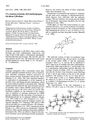
research 17α-Acetoxy-6-bromo-16β-methylpregna-4,6-diene-3,20-dione
This study describes the molecular conformation and intermolecular interactions in the crystalline structure of the compound C24H31BrO4.

research Baricitinib for Alopecia Universalis Following Drug-Induced Hypersensitivity Syndrome/Drug Reaction with Eosinophilia and Systemic Symptoms
Baricitinib effectively regrew hair in a woman with alopecia universalis after other treatments failed.

research Real‐life effectiveness and safety of baricitinib in patients with severe alopecia areata: A 24‐week Italian study
This study found that baricitinib significantly reduced hair loss in patients with severe alopecia areata, decreasing the mean SALT score from 96.6 to 48 over 24 weeks, with no patients dropping out and only mild adverse events in 12.7% of participants.
research Ritlecitinib Efficacy in Adolescents With Alopecia Areata: A Real‐World Experience
In a single-center study, adolescents with moderate-to-severe alopecia areata treated with ritlecitinib 50 mg daily for 24 weeks showed significant hair regrowth, with 27.3% achieving near-complete regrowth and 45.5% substantial improvement, without serious safety concerns, according to these researchers.
research Ritlecitinib in Alopecia Areata: A 24‐Week Real‐World Experience Contrasting JAK Inhibitor‐Naïve and JAK Inhibitor‐Experienced Patients
This study reported that ritlecitinib effectively improved hair regrowth in JAK inhibitor-naïve adolescent patients with severe alopecia areata, achieving significant reductions in SALT scores within 24 weeks, but was less effective for patients who had previously been treated with baricitinib.

research Hair Loss Profiles and Ritlecitinib Efficacy in Patients with Alopecia Areata: Post Hoc Analysis of the ALLEGRO Phase 2b/3 Study
In this phase 2b/3 trial, ritlecitinib showed effectiveness in treating alopecia areata patients with varying hair loss profiles, significantly improving patient-reported outcomes for hair regrowth and satisfaction compared to placebo, regardless of the hair loss type and extent at baseline.
research Population exposure–response analysis of the effect of ritlecitinib on eyebrow assessment and eyelash assessment in patients with alopecia areata
In this study, the researchers evaluated the exposure-response relationship of ritlecitinib on eyebrow and eyelash regrowth and concluded that the established models justify selecting a 50 mg dose for patients with severe alopecia areata, while highlighting differing efficacy among evaluation methods.

research Clinical and Dermoscopic Evaluation of the Safety and Efficacy of Oral baricitinib (JAK Inhibitor) in Treatment of Localized Vitiligo Either Alone or with Topical Tacrolimus
This study observed significant repigmentation in localized stable vitiligo lesions treated with oral baricitinib, with even more improvement when combined with topical tacrolimus, and reported no side effects.
research The Role of MicroRNA, Long Non-Coding RNA and Circular RNA in the Pathogenesis of Polycystic Ovary Syndrome: A Literature Review
This review outlines that in women with PCOS, microRNAs (miRNAs) are abnormally expressed in various tissues compared to those without the condition, suggesting these miRNAs as potential biomarkers and therapeutic targets, given their role in pathways critical to PCOS and potential interactions affecting reproductive outcomes.