 February 2026 in “Frontiers in Immunology”
 This study found that administering human amniotic mesenchymal stem cells (hAMSCs) in a mouse model of psoriasis improved skin lesions and reduced inflammation-related markers, suggesting potential therapeutic benefit and safety for treating psoriasis, and identified specific gene targets involved in the treatment's mechanism.
 January 2026 in “Frontiers in Pharmacology”
 This research highlights the potential of personalized medicine and advanced therapeutic strategies, including 3D biomaterials and natural products, to enhance wound healing and skin care, while also acknowledging the limitations and safety concerns associated with these innovations.
 December 2025 in “International Journal of Pharmacology”
 This review highlights that iPSC-derived artificial platelets offer a promising alternative to platelet-rich plasma for regenerative medicine, with standardized manufacturing and reproducible pharmacological properties, addressing variability issues associated with donor-derived platelets and showing therapeutic potential in preclinical models of osteoarthritis.
 December 2025 in “Clinical Cosmetic and Investigational Dermatology”
 This study highlights the potential of ZDHHC17 methylation as a biomarker or therapeutic target in addressing skin aging, offering new insights into its molecular mechanisms.

In this study, GV-350 treatment over three months improved iron status and reduced the impact of Telogen Effluvium on quality of life among 20 iron-deficient women, with no adverse events reported.
 September 2025 in “Journal of Dermatology Research Reviews & Reports”
 This study found that men aged 33 to 44 with androgenetic alopecia experienced significant hair improvement over 7 months after treatment with autologous cells using the Rigenera® system, as evaluated by HairMetrix® technology.
 September 2025 in “Clinical Cosmetic and Investigational Dermatology”
 This review highlights that while moderate physical activity benefits skin health by improving circulation and reducing stress, intense exercise or inadequate protective measures can harm the skin, emphasizing the need for sun protection and personalized care.
 March 2025 in “Asian Journal of Beauty and Cosmetology”
 This study found that microspicule cosmetics with low-molecular-weight peptide complexes significantly improved skin whitening, pore condition, and skin barrier function over four weeks compared to a non-microspicule formulation.

This study observed that both intradermotherapy with 5% minoxidil and topical minoxidil application resulted in perceived improvements in hair density and thickness among patients with androgenetic alopecia, with no significant difference between the two groups.
 January 2025 in “Bright Sky Publications eBooks”
 This abstract presents the book "Buy Medical Physics in Aesthetic Medicine," which explores future innovations and techniques for cosmetic procedures expected in 2025, though specific findings or results from the book are not reported.
 January 2025 in “Bright Sky Publications eBooks”
 This abstract does not report specific research findings but describes a book titled "Medical Physics and Laser Technology: Advancements and Applications in Modern Healthcare," authored by Zahraa Zuhair Ghafel Saeid and colleagues, which is available for purchase.
This study surveyed dermatology residents across India and found that while they felt confident in treating pigmentary disorders, significant gaps in training exist in subspecialties like aesthetic dermatology, dermatosurgery, and dermatoscopy.
This article highlights the gap between medically necessary dermatologic gender-affirming procedures and insurance coverage for transgender and gender diverse service members in the US Military, and discusses how dermatologists can support gender-affirming care and address existing healthcare disparities.

This study in diabetic db/db mice found that treatment with the antihypertensive agents minoxidil or nebivolol stimulated elastogenesis and inhibited elastolysis, leading to restored elastic fibers, reduced aortic stiffening, and normalized blood pressure.
This study suggests that bioactives like Curcumin, Quercetin, and "Tulsi" may relieve chemotherapy-induced adverse drug reactions in cancer patients, potentially reducing resistance and recurrence.
 February 2024 in “Research Square (Research Square)”
 This study optimized the extraction process for abomasum protein from Tianshan red deer, identifying two proteins with anti-inflammatory and anti-tumor activities, suggesting they could be beneficial in foods and nutraceuticals.
 January 2024 in “International journal of yogic, human movement and sports sciences”
 This study observed that middle-aged women with Polycystic Ovary Syndrome who practiced yoga Nidra for twelve weeks experienced improvements in stress, anxiety, and depression compared to a control group that did not participate in any intervention.
 January 2024 in “Regenerative Biomaterials”
 In this study, researchers developed a biodegradable microneedle made of hyaluronic acid, intended to enhance drug delivery through the skin's stratum corneum and potentially promote hair growth by overcoming the skin's barrier function in alopecia treatment.
 January 2024 in “Polski Merkuriusz Lekarski”
 This retrospective cross-section study found that in a cohort of Pica patients in Iraq, 92.4% were female, and many had low levels of ferritin, hemoglobin, and vitamin D, which may contribute to the disorder by causing psychological issues.
 June 2023 in “Research Square (Research Square)”
 This study found that polycaprolactone (PCL) in facial fillers led to more cell proliferation and vascular activity than hyaluronic acid (HA) in Wistar rats, suggesting enhanced tissue regeneration effects with PCL.
 May 2023 in “Current Applied Science and Technology”
 In this animal study, researchers found that exposure to a CO2 laser at various power levels caused significant skin damage in rats, including severe burns, coagulation, and tissue obliteration, with higher laser doses resulting in more pronounced injuries.
 January 2023 in “Open veterinary journal”
 This study observed that applying a cream containing secretome from Bovine Umbilical Vein Endothelial Cells promoted healing and regeneration in burn wounds in rats, particularly at a 15% concentration.
 November 2022 in “CARDIOMETRY”
 This article discusses the potential benefits of GcMAF and oral MAF, developed by "Saisei Mirai", for cancer and other conditions, but reports no new clinical results.
 June 2020 in “Applied sciences”
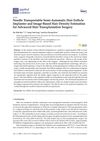
 This study introduced a semi-automatic hair follicle implanter that can reduce surgery time and fatigue for both patients and surgeons, with effectiveness demonstrated in animal and clinical trials.
 November 2019 in “Nepal Medical College journal”
 This study found that nearly a quarter of patients in a general dermatology outpatient department sought cosmetic consultations, primarily females and young employed adults from higher socio-economic backgrounds.

This study reports that a novel series of compounds can potently and selectively inhibit glycogen synthase kinase-3, which activates glycogen synthase in insulin receptor-expressing cells and primary rat hepatocytes.
 January 2019 in “ARC journal of pharmaceutical sciences”
 This review traces the historical understanding and treatment of acne across ancient Egyptian, Greek, and Roman civilizations, but provides no new clinical findings.
 January 2017 in “Springer eBooks”
 Eating a balanced diet with specific nutrients can help manage menopause symptoms and prevent related health issues.
 September 2016 in “Springer eBooks”
 This review discusses how physical appearance, including skin, facial features, and physique, is linked to aging and health risks, but reports no new experimental results.
 April 2016 in “The journal of investigative dermatology/Journal of investigative dermatology”
 This study found that topical bortezomib increased cell proliferation in hair follicles and sebaceous glands in mice and may activate hair keratin gene expression through GATA-3 transcription factors.