This study found that camel hair treated with the photosensitizer Rose Bengal exhibited strong antibacterial properties against Staphylococcus aureus and Escherichia coli when exposed to visible light, achieving over 99.90% bacterial inhibition and maintaining robust mechanical strength.
15 citations
,
June 2024 in “Frontiers in Pharmacology” This review examines drug repositioning as a strategy for combating bacterial infections, highlighting its potential to address multidrug-resistant strains and antibiotic resistance by analyzing safety profiles, synergistic combinations, and promising results for drugs initially used for other conditions.
 February 2016 in “The journal of allergy and clinical immunology/Journal of allergy and clinical immunology/The journal of allergy and clinical immunology”
 This study reports a novel mutation in the TP63 gene associated with T and B cell lymphopenia in an EEC patient, suggesting that EEC diagnosis should include TREC assay and evaluation for immunodeficiency.
3 citations
,
May 2024 in “Indian Journal of Dermatology” In this case report, researchers identified a potential adverse skin reaction, called SDRIFE or Baboon syndrome, caused by the drug tofacitinib in a 19-year-old woman being treated for alopecia subtotalis, leading the authors to recommend discontinuation of the drug.
 April 2016 in “Journal of Investigative Dermatology”
 This study suggests that dsRNA may enhance KRT9 expression in palm and sole skin through β-catenin signaling, potentially linking mechanical damage to specific skin features and certain skin conditions.
 November 2025 in “Mendeley Data”
 This study observed that JAK inhibitors were safe and effective for patients with moderate-to-severe alopecia areata and comorbid latent hepatitis B or stable tuberculosis, with careful monitoring and selective prophylaxis.
This meta-analysis reports that ritlecitinib significantly improved hair growth in alopecia areata patients compared to placebo, although its potential requires further clinical exploration.
12 citations
,
September 2014 in “Bone” This study characterized two siblings with hereditary vitamin D resistant rickets and a mutation in the vitamin D receptor, finding no immune-related disorders despite a defective T cell response to vitamin D.
5 citations
,
July 2017 in “International journal of endocrinology and metabolism/International journal of endocrinology and metabolism.” This study described the clinical and genetic features of two Iranian siblings with hereditary vitamin D resistant rickets, identifying a specific VDR gene mutation contributing to their symptoms.
19 citations
,
November 1937 in “Experimental biology and medicine” This study reports that distinct scaly dermatoses in rats can be caused by deficiencies in vitamin H, vitamin B6, or lactoflavin, each preventable or treatable through nutritional adjustments.
 April 2019 in “Journal of Investigative Dermatology”
 This study found that BRG1 is crucial for keratinocyte migration during skin wound healing, as its suppression impairs wound closure by inhibiting migration without affecting cell proliferation or apoptosis.
 1 citations
,
January 2013 in “MedChemComm”
1 citations
,
January 2013 in “MedChemComm” This study characterized the SARM PF-05314882, finding it demonstrates anabolic activity in rats with minimal effects on the prostate, seminal vesicles, and luteinizing hormone levels.
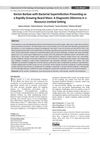 October 2025 in “Nepal Journal of Dermatology Venereology & Leprology”
 In this case study, a 55-year-old male farmer from Nepal with a kerion barbae in the beard region showed complete resolution after initiating oral itraconazole, highlighting the potential for misdiagnosis when bacterial superinfection complicates dermatophyte infections.
 April 2023 in “Journal of Investigative Dermatology”
 This study found that short-term NB-UVB treatment significantly reduced anxiety levels in psoriasis patients, but not depression.
 January 2026 in “Dermatology and Therapy”
 This study found that patients with alopecia areata receiving ritlecitinib showed immune responses to meningococcal and tetanus vaccines, achieving significant antibody levels after vaccination, and no vaccine-related adverse events or disease exacerbations were reported despite a small sample size.
 6 citations
,
September 2019 in “Skin pharmacology and physiology”
6 citations
,
September 2019 in “Skin pharmacology and physiology” This study found that RCS-01 cell therapy for aged skin was well tolerated and associated with increased gene expression related to extracellular matrix homeostasis, suggesting potential skin improvement.
November 2025 in “SKIN The Journal of Cutaneous Medicine” This study observed that adolescents with alopecia areata receiving ritlecitinib 50 mg daily showed notable hair regrowth over three years, as seen in both clinician- and patient-reported outcomes. However, the decreased number of participants at later stages limits the findings.
September 2025 in “International Society of Hair Restoration Surgery” This article discusses governance updates by the American Board of Hair Restoration Surgery to improve transparency and professionalism, but it reports no new research findings.
 October 2023 in “Journal der Deutschen Dermatologischen Gesellschaft”
 In this study, a case of rosacea fulminans during pregnancy was successfully treated with a combination of oral azithromycin and prednisone, highlighting this treatment approach for managing similar cases.
188 citations
,
June 1998 in “Molecular cell” This study found that mimicking the XPD point mutation in mice resulted in trichothiodystrophy-like symptoms, supporting the role of basal transcription and DNA repair defects in the disease.
 20 citations
,
September 2005 in “Endocrinology”
20 citations
,
September 2005 in “Endocrinology” This study identified novel selective androgen receptor modulators with enhanced in vivo pharmacological activity through structure-activity relationship analysis in castrated rats.
24 citations
,
December 2020 in “Kardiologiia” This study found that combining bromhexine and spironolactone was effective in improving clinical outcomes and reducing viral load or hospitalization duration in patients with mild to moderate COVID-19.
14 citations
,
April 2020 in “Journal of the American Academy of Dermatology” Viral reactivation is rare at the time of DRESS diagnosis in the U.S.
9 citations
,
August 2024 in “International Journal of Molecular Sciences” This review explores epidermolysis bullosa simplex subtypes caused by mutations in KRT5 or KRT14 and summarizes gene expression patterns and molecular mechanisms, without presenting new experimental results.
11 citations
,
December 2011 in “The Journal of Dermatology” This abstract provides clinical images of scaly erythematous lesions but does not report any new research findings; further queries should be directed to the corresponding author.
September 2023 in “Journal of the American Academy of Dermatology”  49 citations
,
April 2003 in “Biomaterials”
49 citations
,
April 2003 in “Biomaterials” In this study, BS and BO combined showed a synergistic effect in enhancing wound healing in rat skin lesions compared to using either alone or Flamazine®.
5 citations
,
May 1952 in “Journal of Animal Science” This study found that supplementing baby pigs with riboflavin relieved external symptoms of deficiency, but many internal issues persisted, possibly due to inadequate dosage or treatment duration.
 10 citations
,
September 2015 in “PLoS ONE”
10 citations
,
September 2015 in “PLoS ONE” This case report documents a female toddler with novel compound heterozygous mutations in the VDR gene causing hereditary 1,25-dihydroxyvitamin D-resistant rickets, expanding the known mutation spectrum for this disease.
 9 citations
,
January 2018 in “Plastic and Reconstructive Surgery – Global Open”
9 citations
,
January 2018 in “Plastic and Reconstructive Surgery – Global Open” Using PDRN injections and RF treatments improved revision nose surgery results without major side effects.