6 citations
,
March 2024 in “SKIN The Journal of Cutaneous Medicine” In this ongoing phase 3 study, ritlecitinib demonstrated sustained efficacy up to 24 months in patients aged 12 or older with alopecia areata, showing increased response rates with or without an initial loading dose and supporting its long-term use.
 16 citations
,
August 2011 in “Annals of Allergy Asthma & Immunology”
16 citations
,
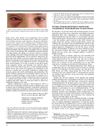
August 2011 in “Annals of Allergy Asthma & Immunology” This report describes a case of a 19-year-old woman experiencing severe recurrent angioedema with airway issues, leading to multiple emergency visits and unsuccessful treatment with typical steroid-sparing agents.
July 2026 in “International Journal of Veterinary Sciences and Animal Husbandry” This case report highlights the successful treatment of a sheep with ovine bacterial dermatitis, emphasizing the importance of laboratory confirmation and antimicrobial susceptibility-guided therapy, which led to complete clinical recovery within three weeks.
3 citations
,
June 2018 in “Internal Medicine” In this study, a patient with Cronkhite-Canada syndrome complicated by severe sepsis and disseminated intravascular coagulation was successfully treated using combined therapies, including recombinant human soluble thrombomodulin, despite the absence of a standard treatment regimen for CCS.
In this study, introducing the rat OTC gene into spf-ash mice led to increased OTC activity and normalized hair growth and biochemical markers like urinary orotic acid and serum citrulline, partially correcting the symptoms of OTC deficiency.
 October 2025 in “Dermatology and Therapy”
 This study evaluates the efficacy and safety of a higher dose (100-mg) of ritlecitinib for treating severe alopecia areata, comparing it to external and synthetic placebo control groups.
 December 2023 in “Journal of Ayub Medical College Abbottabad”
 In this study, Ritlecitinib was reported as a newly approved treatment for alopecia areata that can be used in patients aged 12 and older; after 24 weeks, it resulted in 80% or more scalp hair coverage in treated patients compared to a placebo.
 May 2024 in “Indian Dermatology Online Journal”
 This study reports a case of trichobacteriosis pubis, a rare bacterial infection causing malodour in the pubic region, which improved with hair trimming and topical clindamycin, subsequently enhancing the patient's sexual relationship.
 28 citations
,
November 2013 in “The FASEB journal”
28 citations
,
November 2013 in “The FASEB journal” In this study, a low-methionine diet significantly improved the health and physical traits of cystathionine β-synthase-deficient mice, contrasting with negative effects on mice with partial deficiency.
 6 citations
,
January 2014 in “Journal of pediatric endocrinology & metabolism/Journal of pediatric endocrinology and metabolism”
6 citations
,
January 2014 in “Journal of pediatric endocrinology & metabolism/Journal of pediatric endocrinology and metabolism” This case series describes three siblings with hereditary vitamin D-resistant rickets, highlighting variations in their clinical presentations.
 4 citations
,
December 2013 in “International Journal of Dermatology”
4 citations
,
December 2013 in “International Journal of Dermatology” This correspondence discusses nasal sporotrichosis in children and does not report any clinical results.
1 citations
,
September 2023 in “Journal of the American Academy of Dermatology” This study reported that most patients with alopecia areata who responded to ritlecitinib treatment by achieving a SALT score ≤20, SALT score ≤10, or improvements in eyebrow and eyelash assessments at Week 24 maintained their responses through Week 48.
May 2025 in “Journal of the European Academy of Dermatology and Venereology” This study observed that early treatment with ritlecitinib in patients with alopecia areata, especially when severity is low, led to more favorable responses, and continued improvement was seen up to 24 months, offering guidance on treatment timing and duration.
January 2022 in “Menoufia Medical Journal /Menoufia Medical Journal” This study found that alopecia areata was associated with increased serum levels of retinol-binding protein-4 compared to controls, but no correlation with disease severity was observed.
 November 2024 in “Medicina”
 This case report details a unique instance of pityriasis rubra pilaris affecting only the scalp, highlighting novel trichoscopic features and emphasizing the importance of recognizing this rare presentation for improved diagnosis and treatment.
September 2015 in “Pediatrics in review” The 7-month-old boy has a persistent rash that doesn't improve with typical skin treatments.
 January 2024 in “Ankara City Hospital Medical Journal”
 This case report describes a 42-year-old woman with Rhupus, a rare overlap syndrome of rheumatoid arthritis and systemic lupus erythematosus, highlighting challenges in diagnosis due to non-specific clinical criteria and documenting specific symptoms such as inflammatory arthritis, malar rash, and hematological abnormalities observed during follow-up.
 May 2018 in “Hair transplant forum international”
 This article is a statement from Robert Niedbalski, president of the American Board of Hair Restoration Surgery for 2018, and contains no new research findings.
January 2026 in “Deutsches Ärzteblatt international” This case study reports a rare instance of sacroiliitis due to Brucella melitensis in a patient who experienced symptom relief after a 12-week treatment with doxycycline and rifampicin.
 September 2023 in “Bangladesh Journal of Neurosurgery”
 This case report shares that a 25-year-old man with cerebral arteriovenous malformation was successfully treated with stereotactic radiosurgery in Bangladesh, achieving complete obliteration of the AVM without significant clinical symptoms.

In this study on C3H/HeJ-engrafted mice, a single injection of BMD-1141 significantly increased anagen hair follicle counts and enhanced hair regrowth compared to daily high-dose ruxolitinib, suggesting it stimulates hair growth by influencing the hair cycle rather than altering immune response.
July 2026 in “Frontiers in Endocrinology” This study observed that beef cattle with certain prolactin receptor gene mutations, known as slick mutations, demonstrated improved post-weaning growth and temperature regulation in a hot, humid climate compared to other genotypes, suggesting genotype influences growth efficiency and heat tolerance.
9 citations
,
January 2014 in “Molecular Genetics and Metabolism Reports” This study discovered that a specific G to C mutation in the ornithine aminotransferase gene is linked to the retarded hair growth phenotype in mice and may serve as a model for human gyrate atrophy.
December 2021 in “Figshare” This study suggests that BBS7 is crucial for maintaining PDL homeostasis by supporting Sonic hedgehog signaling activity, with occlusal hypofunction leading to its downregulation and associated tissue changes.
1 citations
,
January 2008 8 citations
,
November 2011 in “Journal of Medical Case Reports” This case report describes a 23-year-old Asian woman with fluoxetine non-responsive trichotillomania who showed significant improvement with bupropion and cognitive behavior therapy, though confirmation in larger trials is needed.
 May 1993 in “Current problems in dermatology”
 This review discusses diagnostic approaches for childhood skin diseases with fever through clinical observations and covers recent advances in understanding the pathogenesis and epidemiology of related infections, without reporting new clinical results.
 July 2023 in “Developmental medicine and child neurology/Developmental medicine & child neurology”
 This study found that patients with Bachmann-Bupp syndrome treated with DFMO showed improvements in hair growth, muscle tone, and development.
18 citations
,
December 2010 in “Transplantation Proceedings” This study reported that black hairy tongue can occur after allogeneic stem cell transplantation and may indicate cutaneous graft-versus-host disease, highlighting the need for histopathologic evaluation.

This study found that camel hair treated with the photosensitizer Rose Bengal exhibited strong antibacterial properties against Staphylococcus aureus and Escherichia coli when exposed to visible light, achieving over 99.90% bacterial inhibition and maintaining robust mechanical strength.