 61 citations
,
May 2016 in “Scientific reports”
61 citations
,
May 2016 in “Scientific reports” This study found that IMT-P8, a novel cell-penetrating peptide, effectively facilitated the dermal delivery of proteins and peptides in mouse skin and cell lines, suggesting potential for topical applications in cosmetics and skin diseases.
 38 citations
,
June 2018 in “Archives of Toxicology”
38 citations
,
June 2018 in “Archives of Toxicology” This review suggests that skin may largely protect itself from CYP-generated reactive metabolites due to higher conjugating enzyme activities, while highlighting limitations in modeling human skin metabolism experimentally.
 61 citations
,
September 2020 in “Bioactive Materials”
61 citations
,
September 2020 in “Bioactive Materials” This study found that the multifunctional FEA-PCEI dressing significantly accelerated wound healing, reduced scar formation, and promoted hair follicle neogenesis while providing antibacterial and anti-inflammatory benefits.
 April 2025 in “Dermatology Practical & Conceptual”
 This study found that erosive pustular dermatosis of the scalp is often misdiagnosed as squamous cell carcinoma, highlighting the importance of biopsy for accurate diagnosis.
August 2026 in “Pharmacy Reports” This study found that a nanoemulsion hair spray formula with 25% PEG 400 showed promising physicochemical stability, but further research is needed to assess its colloidal stability and efficacy in hair growth.
 February 2026 in “Cosmetics”
 This review examines the clinicopathologic features of perifollicular elastolysis and indicates that, while its presentation is consistent, there is a lack of high-certainty evidence for effective treatments.
 18 citations
,
January 2020 in “Journal of the European Academy of Dermatology and Venereology”
18 citations
,
January 2020 in “Journal of the European Academy of Dermatology and Venereology” This study identified trichoscopy as a key diagnostic tool for erosive pustular dermatosis of the scalp and suggested high-potency steroids or tacrolimus as effective first-line treatments.
October 2022 in “Hair Transplantation” This article discusses the temporary scalp trichopigmentation procedure, detailing its unique approach compared to traditional scalp micropigmentation, and reports no new clinical findings.
253 citations
,
April 2009 in “Journal of Biological Chemistry” This study found that p2y5 functions as a novel LPA receptor involved in the G13-Rho signaling pathway, with implications for human hair growth, and proposes renaming it to LPA6.
 1 citations
,
June 2023 in “ScienceRise Pharmaceutical Science”
1 citations
,
June 2023 in “ScienceRise Pharmaceutical Science” This study explored a computer simulation method for selecting emulsion compositions in dermatology, finding that the PS biocomplex can be effectively used as an emulsifier or co-emulsifier, which streamlines the development process and reduces experimental demands.
 32 citations
,
November 2016 in “Journal of Dental Research”
32 citations
,
November 2016 in “Journal of Dental Research” This review explores the role of Panx3 in skeletal formation and discusses its potential in developing new therapies for conditions like osteoarthritis, without presenting new clinical findings.
 9 citations
,
July 2002 in “Journal of the European Academy of Dermatology and Venereology”
9 citations
,
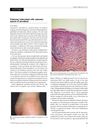
July 2002 in “Journal of the European Academy of Dermatology and Venereology” This article discusses multiple minute digitate hyperkeratosis in a dermatological context and reports no new clinical findings; the authors focus on a descriptive review.
 60 citations
,
May 2015 in “Archives of dermatological research”
60 citations
,
May 2015 in “Archives of dermatological research” This review discusses the role of peroxisome proliferator-activated receptors and their agonists in dermatology but reports no new clinical results.
39 citations
,
March 2008 in “British Journal of Dermatology” This study documented the onset of lichen planopilaris during treatment with etanercept.
May 2022 in “The journal of immunology/The Journal of immunology” This study developed a foxn1-deficient Xenopus laevis model using CRISPR/Cas9, observing reduced T-cell markers and altered immune responses in tadpoles, providing a nonmammalian model for immunological research.
 September 2023 in “Journal of Parasite Science”
 In this case report, a 12-year-old female pug mix dog diagnosed with demodicosis and a Malassezia infection showed improvement in symptoms after a week of treatment with antiparasitic drugs, antibiotics, antifungal medications, antihistamines, and vitamins, evidenced by reduced scratching intensity.
12 citations
,
June 2025 in “Gut Microbes” This study developed BroadAMP-GPT, a computational-experimental framework, to discover new antimicrobial peptides, identifying candidates effective against multidrug-resistant pathogens. Notably, AMP_S13 showed strong stability, low toxicity, and efficacy in infection models, highlighting the platform's potential in combating antimicrobial resistance.
 1 citations
,
August 2005 in “British Journal of Dermatology”
1 citations
,
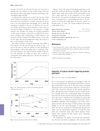
August 2005 in “British Journal of Dermatology” This case report describes a 7-year-old girl who developed widespread erythroderma and systemic symptoms after ingesting clobetasone butyrate cream, despite previous psoriasis treatment.
January 2009 in “The Chinese Journal of Modern Applied Pharmacy” This study concluded that QSPR models effectively predict drug skin penetration, with the Potts-Guy model showing the highest predictive accuracy for the drugs tested.
 39 citations
,
July 2008 in “Dermatologic Therapy”
39 citations
,
July 2008 in “Dermatologic Therapy” This review provides a practical approach to diagnosing pseudopelade of Brocq and updates on treatment options but reports no new clinical results.

This study found that Plakophilin 1 regulates innate immune responses in keratinocytes by controlling RNA helicase activity, balancing inflammation during epidermal immune challenges.
9 citations
,
January 2021 in “BioMed research international” This study describes a method to extract and characterize keratin particles from human hair, finding they can encapsulate the anticancer drug Paclitaxel with significant efficiency, releasing it in a pH-dependent manner potentially beneficial for targeted cancer treatment.
September 2013 in “Oncology Times” This article discusses the discontinuation of the Bexxar regimen for non-Hodgkin's lymphoma, noting that despite its effectiveness, it was under-prescribed due to marketing and development challenges without reporting new clinical results.
August 2025 in “Indian Dermatology Online Journal” This article reports a case of erosive pustular dermatosis on the scalp of an elderly male, highlighting its complex diagnosis and successful treatment with high-potency topical corticosteroids.
 April 2025 in “Dermatology Practical & Conceptual”
 This study found that erosive pustular dermatosis of the scalp is frequently misdiagnosed as squamous cell carcinoma, highlighting the need for careful differentiation to avoid unnecessary treatments.
 September 2025 in “American Journal of Dermatopathology”
 In this research, most cases of mammary and extramammary Paget disease were reported to express PRAME, expanding the understanding of its presence in cutaneous epithelial tumors, though its diagnostic utility is limited by overlap with other conditions.
 May 2026 in “International Journal of Molecular Sciences”
 In this study, a new formulation of human placental extract showed antioxidant and neurite outgrowth activities, significantly reduced hair graying in mice, and alleviated neuropathy symptoms, suggesting potential therapeutic benefits.
 12 citations
,
June 2020 in “Frontiers in Cell and Developmental Biology”
12 citations
,
June 2020 in “Frontiers in Cell and Developmental Biology” This study found that the PP2A-B55α regulatory subunit is crucial for ectodermal development in mice, with knockout embryos displaying severe neural and epidermal defects and failing to survive to birth.
 46 citations
,
April 2008 in “Archives of Dermatological Research”
46 citations
,
April 2008 in “Archives of Dermatological Research” This study found that substance P may be involved in the pathogenesis of acne by increasing the expression of certain cytokines and receptors in cultured sebocytes.
14 citations
,
October 2001 in “British Journal of Ophthalmology” This case report suggests a successful outcome with intralesional cidofovir for SCC, although surgical excision remains the preferred treatment.