In this study, Norwegian researchers followed over 350 patients with porphyria cutanea tarda for an average of 7 years and found that 25% experienced biochemical relapse, suggesting the importance of routine follow-up for early detection and management.
 5 citations
,
January 2014 in “Hospital pharmacy”
5 citations
,
January 2014 in “Hospital pharmacy” This case report suggests that frequent application of diphenylcyclopropenone 2% solution to the scalp for alopecia areata may lead to scalp angioedema.
11 citations
,
March 2002 in “Pediatric Dermatology” Temporal triangular alopecia is a non-scarring hair loss seen in some Asian children.
 5 citations
,
October 2019 in “The journal of investigative dermatology/Journal of investigative dermatology”
5 citations
,
October 2019 in “The journal of investigative dermatology/Journal of investigative dermatology” This study identified a high-risk allele in the PLCD1 gene associated with hereditary trichilemmal cyst formation, proposing a monoallelic two-hit mechanism as the underlying genetic pathogenesis.
 4 citations
,
August 2013 in “Case reports in dermatology”
4 citations
,
August 2013 in “Case reports in dermatology” This case report describes a patient in whom vitiligo was induced by diphenylcyclopropenone treatment for alopecia universalis, highlighting the potential overlap of susceptibility genes between the two conditions.
4 citations
,
August 2021 in “Pediatrics in review” This review explores disorders of sex development, emphasizing the need for a systematic, multidisciplinary approach and the benefits of genetic testing for better diagnosis and gender assignment planning, but it reports no new clinical findings.
February 2026 in “Advanced Science” This study found that the combination of TTNPB and CHIR99021 enhanced the derivation of highly advanced neural stem cells from human pluripotent stem cells, with improved chromatin accessibility and neuroectodermal gene expression, and these cells successfully engrafted in rat hippocampi to ameliorate depression-like symptoms.
October 2017 in “Our Dermatology Online” This study reports that while DCP had similar treatment efficacy in propylene glycol and isopropanol for alopecia areata, the formulation in isopropanol was better tolerated.
 October 2022 in “Endocrine journal”
 In this study of male patients with 46,XY 5α-reductase type 2 deficiency, DHT therapy was effective in achieving penile enlargement during infancy, while testosterone replacement therapy proved more beneficial during puberty, possibly due to increased conversion to DHT.
23 citations
,
January 2017 in “BMC Medical Genetics” This study presents the first reported Spanish case of Hypotrichosis with Juvenile Macular Dystrophy, identifying a new CDH3 mutation and highlighting the importance of clinical and genetic evaluation for accurate diagnosis.
2 citations
,
September 2024 in “PLoS ONE” This study suggests that combining bendamustine with tucidinostat may improve survival in patients with relapsed or refractory adult T-cell leukemia/lymphoma, highlighting its potential for clinical investigation.
 27 citations
,
May 2015 in “Neuropharmacology”
27 citations
,
May 2015 in “Neuropharmacology” This study found that Dutasteride, a 5α-reductase inhibitor, demonstrated neuroprotective effects by preventing the MPTP-induced decline of dopaminergic markers in a Parkinson's disease mouse model.
1 citations
,
February 2025 in “Toxicology in Vitro” In this study, DPHC from the brown alga Ishige okamurae demonstrated potential to prevent androgenic alopecia by inhibiting hair loss and promoting hair growth through multiple cellular mechanisms.
15 citations
,
June 2019 in “Biochemical Journal” This study identified a heterozygous de novo mutation in the ODC1 gene causing a new disorder characterized by overgrowth and developmental delay, and suggests that DFMO treatment may help manage elevated ODC activity and putrescine levels.
 2 citations
,
August 2023 in “Pharmaceutics”
2 citations
,
August 2023 in “Pharmaceutics” This paper reviews the development of transdermal drug delivery systems for skin diseases, from first to fourth generation, and highlights ongoing challenges and the importance of clinical trials, but provides no new clinical results.
November 1968 in “Journal of the American Pharmaceutical Association” 1 citations
,
February 2023 in “IntechOpen eBooks” This chapter discusses photodynamic therapy and its potential applications beyond cancer treatment, including conditions like alopecia and angina, but reports no new clinical findings.
This review discusses the potential conflicts of interest and quality concerns associated with direct-to-consumer teledermatology platforms and reports no new experimental results.
June 2026 in “Journal of Cosmetic Dermatology” PDRN may help with female hair loss, but more research is needed.
3 citations
,
June 2018 in “Internal Medicine” In this study, a patient with Cronkhite-Canada syndrome complicated by severe sepsis and disseminated intravascular coagulation was successfully treated using combined therapies, including recombinant human soluble thrombomodulin, despite the absence of a standard treatment regimen for CCS.
January 2025 in “Case Reports in Genetics” The researchers identified a pathogenic variant in the SRD5A2 gene among siblings with 46,XY disorder of sexual development, highlighting the importance of comprehensive genetic testing in diagnosis and management.
3 citations
,
January 2020 in “Indian Journal of Dermatology” This study found that certain VDR gene polymorphisms are more prevalent in female pattern hair loss patients than in healthy controls, suggesting these polymorphisms may increase disease risk.
 December 2022 in “Acta Ophthalmologica”
 In this study, dutasteride treatment in retinitis pigmentosa mice increased photoreceptor survival and reduced glial activation, suggesting it may offer a neuroprotective effect.
 April 2021 in “Journal of Investigative Dermatology”
 This study found that CD1a-restricted CD4+ T cells responsive to lysyl-phosphatidylglycerol were more frequent in the blood of atopic dermatitis patients, suggesting a potential role in the disease's Th2-mediated pathology.
 13 citations
,
June 2012 in “Journal of Dermatological Case Reports”
13 citations
,
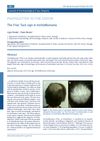
June 2012 in “Journal of Dermatological Case Reports” This report describes an 8-year-old male with trichotillomania, confirmed by trichoscopy showing characteristic hair damage and patterns.
3 citations
,
June 2025 in “Gyemyeong uidae haksulji” This review suggests that PDRN shows promise as a safe and versatile regenerative agent for wound healing and other dermatological applications, based on its dual mechanisms and clinical evidence of efficacy.
1 citations
,
February 2025 in “Journal of the Neurological Sciences” This study suggests that BTP levels in cerebrospinal fluid might help diagnose CIDP and predict therapy response but require validation in larger cohorts.
37 citations
,
February 2007 in “Experimental Dermatology” This study found that PDCD4 protein expression is reduced in various skin cancers compared to normal skin, suggesting its potential role in preventing or treating certain skin cancers.
January 2013 in “Touro Scholar (Touro College)” This review concluded that Diphenylcyclopropenone may offer the best treatment results for alopecia areata, although further research into the disease's pathogenesis could improve therapeutic options.

This source explains that Equine Cushing’s disease, or PPID, in horses is due to the degeneration of brain cells producing dopamine, leading to elevated cortisol levels and characteristic symptoms; it outlines diagnosis methods and emphasizes life-long pergolide treatment to manage the condition.