 21 citations
,
June 2017 in “Journal of The American Academy of Dermatology”
21 citations
,
June 2017 in “Journal of The American Academy of Dermatology” This study reviewed existing articles to assess the efficacy of topical diphenylcyclopropenone immunotherapy for alopecia areata, but it did not report new clinical results.
 52 citations
,
November 2003 in “Journal of Investigative Dermatology”
52 citations
,
November 2003 in “Journal of Investigative Dermatology” In this study, mutations in the CDH3 gene were identified as the cause of hypotrichosis with juvenile macular dystrophy, and the researchers observed substantial phenotypic variability among affected individuals.
2 citations
,
January 1989 This article discusses the history and understanding of Tay syndrome, recognizing it as a distinct condition related to ichthyotic erythroderma, mental retardation, and brittle hair but reports no new clinical results.
5 citations
,
January 2017 in “Arquivos Brasileiros de Oftalmologia” This report describes a novel mutation in the CDH3 gene in an 11-year-old Iranian boy with hypotrichosis and juvenile macular dystrophy, indicating a new genetic variant associated with the disorder.
 27 citations
,
December 2015 in “Clinical and Experimental Dermatology”
27 citations
,
December 2015 in “Clinical and Experimental Dermatology” This study found that hair regrowth occurred in 72.2% of alopecia areata patients treated with diphencyprone, with disease extent at baseline and duration affecting outcomes.
 January 1999 in “American Journal of Medical Genetics Part A”
 This case report describes a rare occurrence of ectodermal dysplasia features in a 14-year-old with MBTPS1 gene variants, expanding the known spectrum of related disorders.
 20 citations
,
October 2003 in “The Journal of Dermatology”
20 citations
,
October 2003 in “The Journal of Dermatology” This study observed that while dexamethasone-cyclophosphamide pulse therapy is relatively free from hypertension and diabetes compared to conventional steroids in pemphigus patients, it frequently causes generalized weakness and flushing.
18 citations
,
January 2010 in “Dermatology Research and Practice” This case report describes a 30-year-old Brazilian male who developed vitiligo lesions following diphencyprone therapy for alopecia areata.
 8 citations
,
January 2018 in “Journal of the American Academy of Dermatology”
8 citations
,
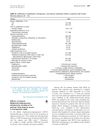
January 2018 in “Journal of the American Academy of Dermatology” This study found that maintenance treatment with diphenylcyclopropenone was associated with a lower relapse rate in alopecia areata patients, highlighting the importance of adjusting treatment intervals post-improvement.
10 citations
,
January 2012 in “Case reports in medicine” This report describes two cases where patients developed vitiligo as a side effect of diphencyprone treatment for alopecia areata, highlighting the need to inform patients about this potential adverse effect.
 2 citations
,
April 2012 in “Science-business Exchange”
2 citations
,
April 2012 in “Science-business Exchange” Blocking a protein called prostaglandin D2 might help treat hair loss.
January 2016 in “프로그램북(구 초록집)” This study found that combining a thulium laser with intra-perifollicular PDRN injections significantly improved hair thickness but not hair counts compared to mesotherapy and PDRN in patients with pattern hair loss.
13 citations
,
January 2010 in “Immunopharmacology and immunotoxicology” This study found that increased Bcl-2 protein expression after DPCP treatment was associated with hair regrowth in alopecia areata patients, suggesting its role in inhibiting apoptosis.
 January 2026 in “Pakistan journal of urology.”
 This case study detailed a rare instance of Penile Thread Tourniquet Syndrome in a 10-year-old boy, where a thread caused localized infection and edema without urethral damage, ultimately resulting in a favorable outcome through surgical and conservative management.
14 citations
,
August 2014 in “Journal of the American Academy of Dermatology” This study found that topical diphenylcyclopropenone is an effective treatment for extensive alopecia areata, with significant hair regrowth reported in most patients, though effectiveness varied with disease characteristics.
May 2024 in “JDDG Journal der Deutschen Dermatologischen Gesellschaft” This case study describes a middle-aged woman diagnosed with a proliferating trichilemmal tumor on her scalp, emphasizing the importance of comprehensive diagnostic approaches and highlighting surgical excision as the primary treatment.
December 2004 in “Annales d Urologie” This article examines the PCPT study on whether daily finasteride can reduce prostate cancer incidence, describing its methodology and findings but reporting no new clinical results.
November 2024 in “Journal of Investigative Dermatology” ATP-sensitive potassium channels are important for hair growth.
9 citations
,
June 2017 in “American journal of ophthalmology. Case reports” This case report identifies a novel CDH3 gene mutation associated with hypotrichosis with juvenile macular dystrophy in a 13-year-old Turkish girl, highlighting implications for future genetic analysis and counseling.
36 citations
,
May 2005 in “BMC dermatology” This study found that topical diphenylcyclopropenone was effective in treating severe alopecia areata but had a high relapse rate and was often accompanied by side effects like eczema and lymphadenopathy.
October 2006 in “Urology” The study found that different criteria led to different patient groups in the CombAT study compared to the MTOPS study.
 1 citations
,
February 2023 in “Deleted Journal”
1 citations
,
February 2023 in “Deleted Journal” This study found that Diphenylcyclopropenone (DCP) was effective for treating extensive alopecia areata in Thai patients, although a high relapse rate suggests maintenance therapy might be necessary.
22 citations
,
March 1999 in “International Journal of Clinical Practice” This review discusses the use of topical immunotherapy for severe alopecia areata and resistant viral warts, highlighting diphencyprone's advantages and the need for careful handling to avoid staff sensitisation; it reports no new clinical results.
53 citations
,
March 2006 in “Biopolymers” This study suggests that increased amounts of less stable disulfide conformers in hair shafts may be linked to the brittleness observed in trichothiodystrophy.
1 citations
,
January 2008 7 citations
,
January 2020 in “Dermatology online journal” In this case report, adult-onset porokeratotic eccrine ostial and dermal duct nevus improved with topical tazarotene treatment, as evidenced by dermatoscopic images.
36 citations
,
March 1989 in “British journal of dermatology/British journal of dermatology, Supplement” In this study, the authors compared topical diphencyprone and tretinoin gel for treating alopecia totalis and universalis, but the abstract does not report any definitive clinical results.
 July 2021 in “British Journal of Dermatology”
 Low testosterone levels may contribute to female pattern hair loss in men.
3 citations
,
December 2020 in “Skin Appendage Disorders” This case report highlights a family member with a confirmed diagnosis of hypotrichosis with juvenile macular dystrophy due to a CDH3 gene mutation, emphasizing the importance of genetic testing for accurate counseling.
July 2024 in “International Journal of Molecular Sciences” This study explored the effects of DPP, a 15-PGDH inhibitor, on human follicle dermal papilla cells damaged by dihydrotestosterone and observed that DPP enhanced wound healing, reduced reactive oxygen species, and increased hair growth in ex vivo human hair follicle cultures.