 13 citations
,
June 2010 in “Journal of dermatological treatment”
13 citations
,
June 2010 in “Journal of dermatological treatment” This study found that diphencyprone showed a significant clinical response for treating alopecia areata, while tacrolimus was not effective.
18 citations
,
January 2010 in “Dermatology Research and Practice” This case report describes a 30-year-old Brazilian male who developed vitiligo lesions following diphencyprone therapy for alopecia areata.
 10 citations
,
January 2010 in “Acta dermato-venereologica”
10 citations
,
January 2010 in “Acta dermato-venereologica” Light therapy can effectively treat vitiligo and hair loss caused by a specific medication.
 14 citations
,
November 2009 in “Clinical and experimental dermatology”
14 citations
,
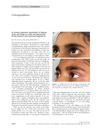
November 2009 in “Clinical and experimental dermatology” This article presents a case report of a child with coexisting alopecia areata and vitiligo showing improvement with topical prostaglandin E2 treatment, without reporting new clinical results.
 71 citations
,
March 2009 in “Seminars in cutaneous medicine and surgery”
71 citations
,
March 2009 in “Seminars in cutaneous medicine and surgery” This review discusses evidence for alopecia areata treatments, highlighting their ability to stimulate hair growth but noting limited data on long-term efficacy and impact on quality of life.
286 citations
,
August 2007 in “Journal of Clinical Investigation” This review examines the interplay of genetics and neuroimmunology in alopecia areata, highlighting its potential to inform broader autoimmunity research, but reports no new findings.
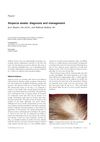 48 citations
,
May 1999 in “International Journal of Dermatology”
48 citations
,
May 1999 in “International Journal of Dermatology” This article reviews the diagnosis and management of alopecia areata but reports no new research findings.
47 citations
,
September 1995 in “British Journal of Dermatology” This review discusses the complication of vitiligo in patients undergoing diphencyprone sensitization therapy for alopecia universalis and reports no new clinical findings.