 March 2024 in “Ukraïnsʹkij vìsnik psihonevrologìï”
 This study found that among women with diffuse alopecia, 47.7% exhibited psychopathological symptoms, with mixed alopecia patients showing more severe manifestations compared to those with metabolic alopecia, suggesting the need for personalized management strategies.
 159 citations
,
November 2007 in “American Journal of Pathology”
159 citations
,
November 2007 in “American Journal of Pathology” In this study, researchers found that substance P triggered premature catagen development and immune changes in human scalp hair follicles, providing a possible biological link between stress and hair loss conditions like telogen effluvium and alopecia areata.
 May 2026 in “Research Square”
 Children with alopecia areata often face more stress and depression, especially related to separation, which can affect their condition.

This case study highlights rose stem cell-derived exosomes combined with thulium laser therapy as a promising treatment for stress-induced alopecia areata, achieving significant hair regrowth and pigmentation without corticosteroid side effects, though further research is needed for broader application.
March 2025 in “International Journal of Clinical Dermatology” This study proposed a detailed classification of psychodermatosis by examining three cases that illustrate the interaction between the brain and skin, resulting in conditions like trichotillomania and factitious dermatitis.
62 citations
,
June 2023 in “Acta Dermato Venereologica” This observational study found that patients with various skin diseases across 17 European countries experience higher levels of perceived stigmatization than skin-healthy controls, particularly those with psoriasis, atopic dermatitis, alopecia, and bullous disorders, with factors such as disease severity and psychological distress influencing stigmatization levels.
16 citations
,
October 2024 in “Journal of Paediatrics and Child Health” This systematic review highlighted significant psychosocial impacts of alopecia areata in children and adolescents, noting challenges such as reduced self-esteem, emotional distress, and social difficulties. The review underscored the need for further research to understand these effects comprehensively and guide clinical support.
1 citations
,
April 2025 in “Journal of Clinical Medicine” This review reports that alopecia areata negatively affects sexual functioning, highlighting the need for further research due to limitations in current study sizes and populations.
45 citations
,
May 2024 in “International Journal of Molecular Sciences” This manuscript reviews the latest understanding of alopecia areata's pathogenesis, highlighting the roles of genetic, immunological, and environmental factors, with a focus on immune responses involving IFN-γ and cytotoxic CD8+ T-cells as key contributors to hair follicle inflammation and function disruption without follicle destruction.
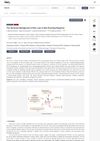 February 2024 in “Biomedicines”
 This review examines the hormonal causes of hair loss, noting how androgen excess can lead to follicle miniaturization and linking estrogen deficiency and thyroid dysfunction to common alopecia types. It further discusses hormonal treatments such as finasteride, dutasteride, and spironolactone.
January 2026 in “Behavioral Sciences” In this observational study, among 135 Italian outpatients with alopecia areata, OCD symptoms were prevalent in 18.5%, and emotional distress was found in 20.7%, with emotional distress mediating the relationship between illness perceptions and OCD symptomatology.

This case study reports that a 14-year-old female with loose anagen hair syndrome and trichotillomania initially improved with topical minoxidil and counseling, but relapsed after a year, highlighting treatment challenges.
 20 citations
,
February 2022 in “British Journal of Dermatology”
20 citations
,
February 2022 in “British Journal of Dermatology” This study found that people with alopecia areata have higher rates of depression and anxiety, leading to increased mental health treatment burden, more time off work, and higher unemployment compared to the general population.
4 citations
,
January 2011 in “International Journal of Trichology” This case series reported that patients with trichotillomania and pseudofolliculitis experienced improvement in itch symptoms and hair regrowth after receiving topical steroids, topical, or oral antibiotics.
 August 2023 in “Revista Ibero-Americana de Humanidades, Ciências e Educação”
 This systematic review found that anxiety disorders are significantly more prevalent among patients with various psychodermatoses compared to the general population.
 October 2024 in “Hippocrates Medical Journal”
 In this review, dermatological symptoms associated with various eating disorders, such as anorexia nervosa, bulimia nervosa, binge eating disorder, and pica, were examined, highlighting the potential role of dermatologists and psychiatrists in early diagnosis and interdisciplinary treatment approaches.
 1 citations
,
November 2017 in “EMJ Dermatology”
1 citations
,
November 2017 in “EMJ Dermatology” This review discusses the relationship between stress and skin disorders, highlighting psychodermatoses and recommending mind-body techniques and collaborative care involving dermatology, psychiatry, and psychology, without reporting new clinical results.
 February 2026 in “Ciencia Latina Revista Científica Multidisciplinar”
 This review found a significant immunological link between diffuse alopecia areata and autoimmune thyroid disorders, particularly Hashimoto's thyroiditis, highlighting the importance of early recognition and thyroid function evaluation to improve clinical management and avoid diagnostic delays.
 1 citations
,
March 2024 in “Psychiatry Neurology and Medical Psychology”
1 citations
,
March 2024 in “Psychiatry Neurology and Medical Psychology” This study examined the mental health of women with diffuse alopecia and found varied levels of mental maladjustment, with more patients with mixed alopecia showing adjustment disorders compared to those with metabolic alopecia. These findings could inform personalized treatment strategies for this condition.
 December 2023 in “Cosmoderma”
 In this review, researchers explored how lifestyle interventions like exercise, sleep improvement, stress management, nutrition, and mind-body techniques can positively influence the general health and outcomes of patients with chronic inflammatory skin disorders such as hidradenitis suppurativa and psoriasis.
 September 2017 in “Pediatric Dermatology”
 The document concludes that an experimental drug may help wound healing in Epidermolysis Bullosa, links Hydroa vacciniforme to EBV, discusses diagnosing hair loss disorders, finds many children with eczema have allergies, reviews the safety of a skin medication in children, notes side effects of a Duchenne's treatment, and identifies a marker for pediatric mastocytosis.
 January 2017 in “International journal of science and research”
 This review discusses treatment options for trichotillomania, focusing on cognitive-behavioral interventions and promising developments in combined pharmacotherapy and therapy approaches, but reports no new findings.
 July 2023 in “Clinical, cosmetic and investigational dermatology”
 This case report described a 32-year-old woman with plica neuropathica who was diagnosed with schizophrenia after initially seeking dermatological care for her severely matted hair, illustrating a rare presentation of schizophrenia and the importance of considering psychiatric conditions in such cases.
Emotional states significantly affect hair growth and hair disorders.
 November 2022 in “IntechOpen eBooks”
 This review discusses the psychiatric approach to treating alopecia patients and highlights the interplay between psychological factors and hair disorders, but reports no new research results.
 November 2023 in “Scholars academic journal of biosciences”
 This study highlights a case of trichotillomania with trichophagia in a 7-year-old girl, illustrating the medical complications and need for awareness and collaborative management of this condition, often misdiagnosed due to stigma.
 November 2024 in “Cureus”
 This case report described a 43-year-old male with trichotillomania, experiencing severe alopecia and an ulcerated plaque, who improved with a combination of antibiotic, antidepressant, and psychotherapy treatments, suggesting that these interventions may benefit individuals with psychiatric comorbidities linked to this condition.
 41 citations
,
March 2010 in “Psychology Research and Behavior Management”
41 citations
,
March 2010 in “Psychology Research and Behavior Management” This review discusses the complex interplay between the nervous system and skin conditions, highlighting various treatment strategies, but reports no new research findings.

research Acne
4 citations
,
January 2019 This analysis examines acne vulgaris using an integrative approach, highlighting its links with psychopathology, lifestyle, and diet, but reports no new results.

In this literature review, it was reported that mental health disorders may both contribute to and be exacerbated by various types of hair loss, and an interdisciplinary treatment model is recommended for effective diagnosis and patient care.