 9 citations
,
September 2014 in “Cancer Epidemiology, Biomarkers & Prevention”
9 citations
,
September 2014 in “Cancer Epidemiology, Biomarkers & Prevention” This study found that men without prostate cancer carrying the A-allele of SNP rs1204038 had a 65% higher risk of PSA levels above 3 ng/mL compared to those with the G-allele, increasing referrals for further examination.
18 citations
,
June 2016 in “Brain Research” Increasing TSPO in the brain may help improve memory problems.
41 citations
,
March 2016 in “The Journal of Clinical Endocrinology & Metabolism” This study suggests that patients with STSD show a different pattern in androgen activation compared to healthy controls, potentially due to increased 5α-reductase activity and absent prepubertal serum DHEA surge.
7 citations
,
April 2008 in “Progrès en Urologie” January 2007 in “Edward Elgar eBooks” In this study, overexpressing TSPO in the mouse hippocampal dentate gyrus led to significant anxiolytic and antidepressant-like effects, partly through increased allopregnanolone biosynthesis.
 159 citations
,
November 2007 in “American Journal of Pathology”
159 citations
,
November 2007 in “American Journal of Pathology” In this study, researchers found that substance P triggered premature catagen development and immune changes in human scalp hair follicles, providing a possible biological link between stress and hair loss conditions like telogen effluvium and alopecia areata.
 6 citations
,
November 2021 in “Frontiers in immunology”
6 citations
,
November 2021 in “Frontiers in immunology” This study suggests that STAT3 signaling in keratinocytes is crucial for maintaining skin homeostasis by regulating hair follicle-specific keratin genes, potentially impacting dermatitis development through microbe-triggered inflammatory responses.
December 2021 in “Figshare” This study found that BBS7 is downregulated in occlusal hypofunctional periodontal ligament, suggesting it plays a crucial role in maintaining Shh signaling for PDL homeostasis.
 September 2011 in “Urology”
 This study aimed to estimate the value of urine prostate specific antigen (uPSA) as a marker for benign prostatic hyperplasia (BPH) but reported no new clinical findings.
December 2021 in “Figshare” This study found that BBS7 is important for Sonic hedgehog signaling activity, which may be crucial for maintaining periodontal ligament homeostasis in occlusal hypofunction.
14 citations
,
May 2017 in “Journal of Investigative Dermatology” This study reports a novel homozygous mutation in the DST gene causing a unique form of epidermolysis bullosa simplex with prurigo papules in a 39-year-old Syrian man.
1 citations
,
December 2012 in “Papers on Anthropology” This study found that psoriatic skin lesions commonly express the cytokines IL-6, IL-8, and TNF-alpha along with a moderate presence of the antimicrobial protein defensin.
 September 2018 in “Fertility and Sterility”
 This study observed that inflammatory stimuli significantly altered gene expression in rat theca-interstitial cells, affecting pathways related to growth and androgen production, which are central features of polycystic ovary syndrome.
December 2009 in “Cancer Research” This study suggests that over-expression of Sp2 may limit stem cell differentiation and contribute to tumorigenic cell growth in mice.
 August 1994 in “Molecular Endocrinology”
 This study found that AtT-20 pituitary cells with higher cAMP-dependent kinase activity had larger calcium currents and significantly increased beta-endorphin release compared to cells with lower kinase activity.
1 citations
,
April 2018 in “Journal of Investigative Dermatology” The Trichodysplasia spinulosa virus protein can cause abnormal hair growth in mice.
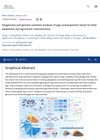
This research developed a pig graph pangenome assembly of 27 genomes, revealing the importance of structural variations in adaptation and breed-specific traits, with BTF3 identified as a key gene influencing intramuscular fat and meat quality.
 301 citations
,
May 1998 in “Genes & Development”
301 citations
,
May 1998 in “Genes & Development” Ets2 gene is crucial for placental development in mice.
89 citations
,
May 2005 in “Stem Cells” This study found that keratinocyte stem cells in mouse skin are closely related to side population or BCRP1-positive cells based on their localization and marker expression.
November 2020 in “UNC Libraries” In this study, researchers identified seven new genetic loci associated with prostate cancer susceptibility through a multi-stage genome-wide association study.
April 2019 in “Journal of the Endocrine Society” This case report documents successful virilization, including penile length increase, in a boy with partial androgen insensitivity syndrome using high-dose testosterone combined with anastrozole.
62 citations
,
March 2017 in “Journal of Investigative Dermatology” Mutations in the ACTB gene cause Becker’s nevi and may lead to muscle issues in Becker’s nevus syndrome.
124 citations
,
July 1997 in “Journal of Biological Chemistry” This study found that overexpression of an enzyme in transgenic mice led to distorted polyamine levels, resulting in permanent hair loss and female infertility.
5 citations
,
January 2015 in “Case reports in medicine” In this case report, a novel missense mutation c.1360G>C (p.Ala454Pro) in the MBTPS2 gene was identified in a boy with typical IFAP syndrome and severe atopic features, although no phenotype/genotype correlation was established.
 2 citations
,
December 2019 in “Al-ʻulūm al-ṣaydalāniyyaẗ”
2 citations
,
December 2019 in “Al-ʻulūm al-ṣaydalāniyyaẗ” This study found no evidence that CTLA-4 gene polymorphism (rs733618) plays a role in polycystic ovarian syndrome among the participants.
 April 2017 in “The journal of investigative dermatology/Journal of investigative dermatology”
 This study identified intramembrane proteolysis as a key feature of Astrotactin2 maturation, providing insights into its role in planar cell polarity hair patterning.
 April 2018 in “Journal of Investigative Dermatology”
 This study found that palmoplantar pustulosis patients exhibited oral dysbiosis, particularly among those with pustulotic arthro-osteosis, as compared to healthy controls.
 7 citations
,
September 2019 in “Journal of Cellular Physiology”
7 citations
,
September 2019 in “Journal of Cellular Physiology” In this study, Akt2 and the oncogenic protein Tcl1 were found to be essential for early blastomere proliferation and embryo development in preimplantation mouse embryos.
January 2006 in “OpenCommons at University of Connecticut (University of Connecticut)” This study found that double transgenic Arabidopsis plants overexpressing both AVP1 and AtNHX1 showed improved salt tolerance and enhanced root hair and hypocotyl growth compared to single transgenic lines.
This study found that patients with psoriasis have a significantly higher prevalence of autoimmune diseases and other physical and mental comorbidities compared to those without the condition.