 1 citations
,
October 2006 in “Oncology times”
1 citations
,
October 2006 in “Oncology times” This study found that finasteride does not increase the risk of high-grade prostate cancer but instead improves the prostate-specific antigen test's sensitivity to detect such cancers.
 January 2006 in “Actas Urológicas Españolas”
 This retrospective study observed no significant difference in the prevalence of incidental prostate cancer between suprapubic prostatectomy and transurethral prostate resection groups, with most tumors being well differentiated and early-stage.
 1 citations
,
June 2023 in “ScienceRise Pharmaceutical Science”
1 citations
,
June 2023 in “ScienceRise Pharmaceutical Science” This study explored a computer simulation method for selecting emulsion compositions in dermatology, finding that the PS biocomplex can be effectively used as an emulsifier or co-emulsifier, which streamlines the development process and reduces experimental demands.
4 citations
,
February 2023 in “Frontiers in Oncology” In this study, Nano-Pulse Stimulation Therapy successfully cleared up to 91% of melanoma tumors in mice with less skin damage compared to cryoablation, which cleared up to 66% of tumors.
July 2025 in “Journal of Investigative Dermatology” July 2021 in “Belarusian State Pedagogical University repository (Belarusian State Pedagogical University)” In this study, PMC was identified as a promising plant for nourishing hair, with effective hair growth promotion and 5α-reductase inhibition observed in both laboratory and animal studies for androgenetic alopecia treatment.
20 citations
,
December 2015 in “Der Urologe” Combining medications is more effective for treating benign prostatic syndrome symptoms.
 March 2013 in “The Journal of Urology”
 This study found that patients with androgenetic alopecia frequently had higher PSA levels and more significant urinary symptoms, likely due to older age, though prostate weight did not differ.
 25 citations
,
May 2014 in “Facial Plastic Surgery”
25 citations
,
May 2014 in “Facial Plastic Surgery” In this study, intradermal injections of autologous platelet-rich fibrin matrix significantly increased hair density in patients with androgenetic alopecia at 2 and 3 months after initial treatment.
305 citations
,
March 2008 in “AJP Endocrinology and Metabolism” This article reviews the regulation and roles of spermidine/spermine-N(1)-acetyltransferase (SSAT) in polyamine metabolism and its potential as a target in cancer and other diseases, without reporting new experimental results.
 127 citations
,
May 2004 in “PubMed”
127 citations
,
May 2004 in “PubMed” This randomized pilot study suggests that finasteride may benefit some men with category IIIA chronic pelvic pain syndrome, although it is not recommended as monotherapy unless benign prostatic hyperplasia is also present.
April 2019 in “Journal of the Endocrine Society” This case report documents successful virilization, including penile length increase, in a boy with partial androgen insensitivity syndrome using high-dose testosterone combined with anastrozole.
 15 citations
,
March 2014 in “Molecular Medicine Reports”
15 citations
,
March 2014 in “Molecular Medicine Reports” This study found that α-spinasterol treatment significantly reduced testosterone propionate-induced prostatic hyperplasia in rats, suggesting potential benefits for managing benign prostatic hyperplasia.
 45 citations
,
July 2009 in “Journal of Investigative Dermatology”
45 citations
,
July 2009 in “Journal of Investigative Dermatology” This study reported significant upregulation and release of S100A4 in psoriatic skin, which may actively contribute to psoriasis pathogenesis.
 3 citations
,
March 2012 in “Actas Dermo-Sifiliográficas”
3 citations
,
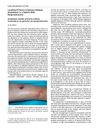
March 2012 in “Actas Dermo-Sifiliográficas” An elderly man with skin amyloidosis and abnormal blood proteins was monitored without finding widespread disease after 18 months.
 April 2012 in “Journal of the American Academy of Dermatology”
 This study found that psoriasis patients had a significantly higher prevalence of autoimmune diseases and other comorbidities compared to those without psoriasis.
September 2023 in “Journal of the American Academy of Dermatology” Risankizumab effectively treats and maintains skin clearance in moderate-to-severe psoriasis.
 1 citations
,
September 2023 in “Rheumatology advances in practice”
1 citations
,
September 2023 in “Rheumatology advances in practice” This case report describes a 42-year-old woman with rheumatoid arthritis who developed extensive impetiginized pityriasis amiantacea potentially linked to her anti-TNF-α therapy with golimumab. Discontinuing the drug and other treatments led to significant clinical improvement within a month.
 August 2019 in “Journal of The American Academy of Dermatology”
 No link found between hair loss severity and PSA levels in men.
 76 citations
,
June 2015 in “Journal of biomedical science”
76 citations
,
June 2015 in “Journal of biomedical science” This study demonstrated that dominant mutations in mouse gasdermin A3 disrupt mitochondrial oxidative stress regulation, suggesting a gain-of-function effect on epidermal differentiation.
 31 citations
,
September 2015 in “BJUI”
31 citations
,
September 2015 in “BJUI” This study found that men aged 50 and older with clinical benign prostatic hyperplasia have a significantly higher prevalence of metabolic syndrome than those without the condition in the UK primary care population.
 16 citations
,
May 2000 in “Endocrinology”
16 citations
,
May 2000 in “Endocrinology” This study identified a new gene, mrp4, in mice, which suggests it may have a unique role in the growth and development of hair follicles in the ears and tails.
This study reported that methanolic extracts from marine sponges, particularly Petrosia sp. and Agelas nakamurai, showed significant enzyme inhibitory activities, with Petrosia sp. exhibiting notable 5?-reductase inhibition.
 10 citations
,
October 2016 in “Monoclonal antibodies in immunodiagnosis and immunotherapy”
10 citations
,
October 2016 in “Monoclonal antibodies in immunodiagnosis and immunotherapy” This study developed rat monoclonal antibodies that specifically detect Pax1/PAX1 protein, which could improve diagnostic protocols for conditions involving deregulated Pax1/PAX1 expression.
August 2019 in “KMOU Repository (Korea Maritime and Ocean University)” This study found that methanol extract from Sapium rotundifolium Hemsl. reduced prostate enlargement and related protein expressions in testosterone-induced benign prostatic hyperplasia models in both cells and rats.
 April 2013 in “The Journal of Urology”
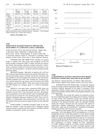
 Researchers created a simple tool to predict bladder blockage from prostate enlargement using urine flow rate and prostate volume.
December 2012 in “http://isrctn.org/>” 52 citations
,
July 1998 in “Urology” This study found that liarozole is more effective than cyproterone acetate for improving PSA response and survival in metastatic prostate cancer after first-line endocrine therapy, while maintaining quality of life.
August 2026 in “JURNAL ILMU KEFARMASIAN INDONESIA” This study found that the addition of SPACE peptide significantly enhanced the penetration of amniotic membrane stem cell metabolites in mice, with only very mild irritation observed.
 1 citations
,
May 2017 in “Urologe A”
1 citations
,
May 2017 in “Urologe A” This study reports an increase in the use of tamsulosin/finasteride for benign prostatic syndrome in Germany but highlights that reliable comparisons with monotherapies are lacking due to study design deficiencies.