9 citations
,
August 2021 in “Genome Biology and Evolution” This study found widespread losses of g-type lysozyme genes across various mammalian lineages, with both gene copies extensively lost in cetaceans and sirenians, and linked this to hairlessness in these fully aquatic mammals.
 7 citations
,
January 2015 in “Dermatology”
7 citations
,
January 2015 in “Dermatology” This study found that specific CYP19A1 gene SNPs were significantly associated with female pattern hair loss risk in a Chinese Han population.
 September 2016 in “Journal of Dermatological Science”
 This study investigated the mechanism responsible for pili torti formation in Björnstad syndrome using a transmission electron microscope, but did not establish a definitive explanation.
 22 citations
,
August 2013 in “PLOS ONE”
22 citations
,
August 2013 in “PLOS ONE” This study found that using a non-invasive multielectrode array for gene electrotransfer in hairless guinea pigs increased gene expression in the epidermis significantly, with minimal skin changes observed.
29 citations
,
January 2003 in “Genomics” A new mouse mutation causes skin and hair issues, influenced by another gene.
 February 2023 in “Journal of dermatology”
 This letter reports the first known Japanese case of autosomal recessive woolly hair/hypotrichosis with compound heterozygous mutations in the LIPH gene.
 1 citations
,
December 2022 in “BMC Genomics”
1 citations
,
December 2022 in “BMC Genomics” This study found that the Msx2 gene may regulate goose feather follicle development by influencing cell viability and gene expression, with potential implications for improving down production.
3 citations
,
January 2021 in “Molecular genetics & genomic medicine” In this study, novel mutations in the BTD gene were identified in a patient with profound biotinidase deficiency, highlighting the importance of biotinidase activity measurement and mutation analysis for early diagnosis.
 1 citations
,
June 2011 in “Journal of Genetics”
1 citations
,
June 2011 in “Journal of Genetics” Some human genetic markers work for genetic studies in pig-tailed and stump-tailed macaques, which can help in their conservation.
17 citations
,
April 2011 in “Journal of Dermatological Science” This study reports that the transgenic expression of Dsg1 in mice rescued the severe B6-Dsg3−/− phenotype and created a syngeneic mouse model of pemphigus vulgaris, which may aid in understanding autoimmunity mechanisms.
 1 citations
,
December 2023 in “Curēus”
1 citations
,
December 2023 in “Curēus” This study observed that five out of fourteen individuals aged 13-16 years, who were homozygous for the p.C282Y mutation related to hemochromatosis, had increased liver and phlebotomy-mobilized iron levels.
 February 2019 in “bioRxiv (Cold Spring Harbor Laboratory)”
 This study found that Prss53-mutated rabbits exhibited curved hair and skeletal dyskinesia, suggesting a link between Prss53 loss and these traits, potentially involving disrupted calcium metabolism.
June 2010 in “Chinese Journal of Dermatology” This study found a novel R430Q gene mutation in hHb6, which may be linked to the hereditary hair disorder monilethrix in the examined family.
 49 citations
,
November 2019 in “Egyptian Journal of Medical Human Genetics”
49 citations
,
November 2019 in “Egyptian Journal of Medical Human Genetics” This review discusses the role of CYP gene polymorphisms in exacerbating hyperandrogenism in women with PCOS and reports no clinical results; further validation of this hypothesis is needed.
 July 2018 in “Kidney international”
 This case study describes a 9-year-old girl with a homozygous EGFR gene mutation, presenting with tubulopathy and chronic dermatitis, whose ongoing symptoms and management offer insights into this rare genetic condition.
14 citations
,
May 2016 in “International Journal of Molecular Sciences” This study showed that knocking out the Ppp2ca gene in the epidermis of mice led to significant hair loss and disrupted hair follicle morphogenesis and regeneration.

This review discusses genetic and epigenetic studies of PCOS, highlighting Genome-Wide Association Studies that found genetic variants related to gonadotrophin secretion influencing PCOS susceptibility, but it reports no new findings.
 July 2024 in “Indian Journal of Dermatology Venereology and Leprology”
 This study found that specific PITX2 gene variants are significantly associated with higher risk of androgenetic alopecia in males, highlighting important genetic and environmental interactions influencing its development.
 62 citations
,
January 2010 in “Hormone research in paediatrics”
62 citations
,
January 2010 in “Hormone research in paediatrics” This study found that the R257X mutation in the AIRE gene is prevalent among Russian patients with autoimmune polyglandular syndrome type 1, particularly in those with hypoparathyroidism and chronic mucocutaneous candidiasis.
 218 citations
,
October 2013 in “Proceedings of the National Academy of Sciences of the United States of America”
218 citations
,
October 2013 in “Proceedings of the National Academy of Sciences of the United States of America” This study found that removing PPARγ specifically from mouse adipose tissue led to severe fat loss, insulin resistance, diabetes, and associated metabolic abnormalities.
 65 citations
,
September 2010 in “Journal of the Neurological Sciences”
65 citations
,
September 2010 in “Journal of the Neurological Sciences” This article discusses Kennedy's disease, detailing its genetic cause, symptoms, and diagnostic criteria, but reports no new clinical findings and highlights a lack of causal therapy.
 1 citations
,
March 2022 in “bioRxiv (Cold Spring Harbor Laboratory)”
1 citations
,
March 2022 in “bioRxiv (Cold Spring Harbor Laboratory)” This study examined wool traits in Angora rabbits using low-coverage whole genome sequencing, identifying six QTLs and a gene, FGF10, linked to fiber growth and diameter, suggesting a cost-effective approach for complex trait analysis in genomic breeding.
 35 citations
,
October 2017 in “Trends in Molecular Medicine”
35 citations
,
October 2017 in “Trends in Molecular Medicine” This research suggests that targeting the HIF-1α pathway via PHD inhibitors may enable regeneration similar to amphibians in mammals, potentially fast-tracking regenerative therapies from mice to humans.
4 citations
,
January 2021 in “Current Research in Physiology” This study found that high levels of μ-crystallin in skeletal muscle are associated with greater fat metabolism and a shift in gene expression towards slower muscle function.
This study found that simultaneous inactivation of pRb and p53 genes in mice's epidermis accelerates aggressive squamous cell carcinoma development, highlighting p53 as a key tumor suppressor.
 16 citations
,
April 1978 in “Genetics Research”
16 citations
,
April 1978 in “Genetics Research” This study found that asebic mice exhibit abnormal sebaceous gland differentiation and insufficient sebum production due to defective regulation of cell processes, despite possessing normally developing sebaceous glands initially.
51 citations
,
February 2004 in “Environmental Health Perspectives” This article analyzes various cases of weak or low-dose endocrine effects in laboratory animals and highlights challenges in data interpretation due to variability among controls, but reports no new experimental findings.
 277 citations
,
July 2002 in “Molecular Endocrinology”
277 citations
,
July 2002 in “Molecular Endocrinology” In this study, homozygous VDR null mutant mice exhibited nonfunctional vitamin D receptors, leading to growth abnormalities and revealing the limited physiological importance of vitamin D pathways outside the classical receptor.
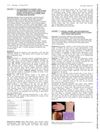
This case report details a child with a specific TNFAIP3 mutation manifesting as a severe SLE/SS phenotype, expanding the known phenotype for this genetic variant.
 2 citations
,
June 2014 in “مجلة مركز بحوث التقنيات الاحيائية”
2 citations
,
June 2014 in “مجلة مركز بحوث التقنيات الاحيائية” This study reported that patients with PCOS and thyroid hormone disturbances had specific TPO gene mutations and differing thyroid hormone levels compared to those without disturbances or healthy controls.