12 citations
,
July 2016 in “Journal of dermatology” This study found that intramuscular triamcinolone acetonide may be an effective and safe treatment option for managing refractory alopecia areata, showing a 63% response rate in patients and hair regrowth negatively correlated with initial scalp involvement.

This study identified a genetic locus associated with rhabdomyosarcoma susceptibility in mice and found that specific differentiation markers are linked to the regression of basal cell carcinoma.
 July 2026 in “Zenodo (CERN European Organization for Nuclear Research)”
 In this study, in silico analysis identified Saponin Re and Emodin as promising candidates for topical treatment of androgenetic alopecia, with Biochanin A having the most favorable safety profile among the tested compounds.
 11 citations
,
August 2009 in “Expert Opinion on Drug Discovery”
11 citations
,
August 2009 in “Expert Opinion on Drug Discovery” This review discusses current challenges in selective androgen receptor modulator discovery and preclinical evaluation and reports no new results, emphasizing the need for basic research to improve safety and selectivity.
 September 2020 in “arXiv (Cornell University)”
 This study demonstrated that a computational screening process can identify existing drugs and natural compounds with potential anti-COVID-19 activity, highlighting some candidates for further experimental validation.
October 2025 in “International Journal of Cosmetic Science” This study found that longer-chain cationic surfactants like BTMC provided superior hair conditioning by reducing combing forces, but did not reverse oxidative hair damage, emphasizing the role of molecular structure in surfactant performance.
3 citations
,
July 2023 in “Acta Biomaterialia” This study demonstrates that a bioinspired peptide, PepACS, can efficiently and safely perm hair by interacting with keratin's sulfhydryl group without compromising tensile strength, and it shows potential for hair repair and dyeing applications in the hair care industry.
18 citations
,
October 2016 in “European Journal of Pharmaceutics and Biopharmaceutics” In this study, FITC-labeled BSA nanocarriers delivered a model drug deeper into porcine ear skin hair follicles than the carriers themselves, as shown by confocal microscopy.
53 citations
,
November 2021 in “Molecular Human Reproduction” This study found that the antioxidant N-acetylcysteine attenuated ferroptosis in the uterus and placenta of a PCOS-like rat model, indicating its potential as a therapeutic strategy for PCOS-related complications.
26 citations
,
September 2023 in “Journal of Allergy and Clinical Immunology” Regulatory T cells help prevent autoimmunity and have potential for treating autoimmune diseases.
October 2025 in “Journal of Cosmetic Dermatology” This study found that the AOPT-MTL mode is an effective and safe treatment option for nasal blackheads in Asians, indicating potential for widespread clinical use.
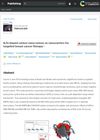 January 2025 in “Nanoscale”
 This study reports that a new boron/nitrogen-doped carbon nano-onion-based delivery system for doxorubicin enhanced its uptake and anticancer effects in specific cancer cell types, while reducing cardiotoxicity in human heart cells.
7 citations
,
September 2024 in “The Journal of Dermatology” This study evaluated the effectiveness and safety of ritlecitinib in patients aged 12 or older with alopecia totalis or universalis, finding higher hair regrowth response rates compared to placebo at 24 weeks, with continued improvement and acceptable safety through 48 weeks.
18 citations
,
June 2016 in “Brain Research” Increasing TSPO in the brain may help improve memory problems.
 December 2020 in “Innovation in aging”
 This study suggests that inhibiting PKC, similar to rapamycin treatment, can extend lifespan and reduce neurological symptoms and inflammation in mice with mitochondrial dysfunction, potentially involving the mTORC2 pathway.
November 2004 in “Oncology Times” This article discusses the ethical concerns and implications of a partnership between the National Prostate Cancer Coalition and Viadur, including the perceived endorsement of a specific drug.
 273 citations
,
May 2017 in “The Lancet”
273 citations
,
May 2017 in “The Lancet” This review discusses the diagnosis and management of severe cutaneous adverse reactions to drugs and provides guidance for physicians to improve patient outcomes, but it reports no new clinical results.
 September 2023 in “Acta dermato-venereologica”
 This study observed that oral tofacitinib was effective and safe for treating alopecia areata in paediatric patients, with 82% of pre-adolescent participants experiencing hair regrowth and 64% showing significant improvement in their hair loss severity scores.
22 citations
,
June 1991 in “Clinical Therapeutics” This study found that once-daily oxiconazole cream effectively treats tinea infections, achieving at least 80% cure rates, and shows comparable efficacy to other antifungal creams with similar tolerability.
July 1999 in “Journal of the American Academy of Dermatology” This review discusses valproic acid as a common antiseizure medication associated with alopecia and highlights the need for its inclusion in relevant medical guides, without presenting new clinical findings.
October 2024 in “Journal of Pakistan Association of Dermatologists” This study reports that a 21-year-old male with alopecia totalis responded positively to the JAK inhibitor tofacitinib, achieving complete hair regrowth after six months of treatment without significant side effects, though further research is needed to evaluate long-term efficacy.
 3 citations
,
July 2019 in “Supportive Care in Cancer”
3 citations
,
July 2019 in “Supportive Care in Cancer” The lotion CG428 did not show effectiveness in treating permanent hair loss in breast cancer survivors.
8 citations
,
February 2024 in “Burns” 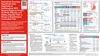 November 2025 in “SKIN The Journal of Cutaneous Medicine”
 This phase 3 trial found that over 50% of adolescents with severe alopecia areata achieved successful hair regrowth after 52 weeks on baricitinib 4-mg, with no new safety concerns reported compared to existing safety profiles.
 14 citations
,
November 2016 in “Annals of Internal Medicine”
14 citations
,
November 2016 in “Annals of Internal Medicine” Tofacitinib, an arthritis drug, helped hair growth in alopecia universalis but long-term safety needs more research.
November 2025 in “SKIN The Journal of Cutaneous Medicine” This study evaluated the long-term safety of ritlecitinib in adolescents with alopecia areata and found it to be well-tolerated without new safety concerns over approximately five years, with common adverse events including positive SARS-CoV-2 tests, acne, headache, and nasopharyngitis.
February 2017 in “Cancer Research” In this study involving women undergoing taxane-based chemotherapy, a twice-daily topical application of BPM31543 was well-tolerated and showed potential in reducing severe hair loss, prompting further investigation at higher doses.
 November 2009 in “Regenerative Medicine”
 This industry report describes several new collaborations and licensing agreements in the field of regenerative medicine, focusing on stem cell technologies, and reports no new clinical results.
May 2025 in “Pakistan Armed Forces Medical Journal” This study found that topical Dithranol 0.5% is more effective than topical Tacrolimus 0.1% for hair regrowth in patients with alopecia areata, with 40% of Dithranol-treated patients showing over 80% hair regrowth compared to 23.33% for Tacrolimus-treated patients.
 3 citations
,
August 2020 in “Case Reports in Dermatology”
3 citations
,
August 2020 in “Case Reports in Dermatology” This case report suggests that JAK inhibitors like tofacitinib may effectively treat alopecia in patients with complex cases involving both rheumatological and dermatological conditions.