2 citations
,
September 2019 Alopecia areata treatments should be personalized, using options like steroids, JAK inhibitors, and other therapies based on individual needs.
 36 citations
,
November 2005 in “Journal of The American Academy of Dermatology”
36 citations
,
November 2005 in “Journal of The American Academy of Dermatology” This article discusses the potential of latanoprost for treating alopecia areata, but notes that well-controlled studies are still needed to confirm its effectiveness.
 1 citations
,
February 2017 in “MOJ bioequivalence & bioavailability”
1 citations
,
February 2017 in “MOJ bioequivalence & bioavailability” This review discusses recent advancements in understanding the pathophysiology of androgenetic alopecia and highlights the potential for multilateral topical therapies to improve treatment efficacy with fewer side effects; it reports no new clinical results.
 31 citations
,
January 2015 in “Journal of The American Academy of Dermatology”
31 citations
,
January 2015 in “Journal of The American Academy of Dermatology” This review discusses the potential applications of prostaglandin F2α analogs for certain types of alopecia and hypopigmentation, but reports no new experimental results.
 April 2016 in “Plastic and reconstructive surgery. Global open”
 This article lists online educational resources from the American Society of Plastic Surgeons but reports no new research findings.
 9 citations
,
December 2020 in “Dermatologic Therapy”
9 citations
,
December 2020 in “Dermatologic Therapy” This review found that oral and topical phosphodiesterase inhibitors and topical prostaglandin analogues are safe and effective treatments for various skin diseases, including psoriasis, atopic dermatitis, vitiligo, and alopecia.
 20 citations
,
November 2009 in “European Journal of Dermatology”
20 citations
,
November 2009 in “European Journal of Dermatology” This study found that topical latanoprost was not effective in treating alopecia areata in eyebrows and eyelashes.
 30 citations
,
May 2018 in “Experimental Dermatology”
30 citations
,
May 2018 in “Experimental Dermatology” This article reviews the cellular dynamics affecting dermal papilla size in androgenetic alopecia and suggests targeting DP size could improve therapies, but it presents no new clinical data.
 33 citations
,
November 2006 in “Survey of Ophthalmology”
33 citations
,
November 2006 in “Survey of Ophthalmology” This report discusses the various causes and clinical assessment of madarosis, emphasizing the importance of recognizing and diagnosing associated vision or life-threatening conditions, without presenting new findings.
 9 citations
,
December 2017 in “The Journal of Allergy and Clinical Immunology”
9 citations
,
December 2017 in “The Journal of Allergy and Clinical Immunology” This review discusses the evolution of alopecia areata treatments towards more targeted therapies and reports no new clinical results, emphasizing cooperation between clinicians and scientists in understanding the disease's pathophysiology.
 4 citations
,
August 2013 in “Expert Review of Dermatology”
4 citations
,
August 2013 in “Expert Review of Dermatology” This review discusses recent advances in the diagnosis and management of female pattern hair loss but reports no new clinical results.
 43 citations
,
July 2013 in “Pharmacological reviews”
43 citations
,
July 2013 in “Pharmacological reviews” This article reviews the pharmacology of bimatoprost and prostamide F2α, highlighting bimatoprost's therapeutic applications in glaucoma, hair growth, and potential fat reduction, without reporting new experimental results.
 July 2026 in “Pharmacological Reports”
 In this pilot study, topical latanoprost acid was observed to increase hair count and improve hair follicle structure in women with androgenetic alopecia, with no serious adverse events, suggesting potential for further investigation to confirm its efficacy and safety.
This study found that isolated human scalp hair follicles express PGE2 genes and EP2 protein, suggesting PGE2 may play a crucial role in regulating hair growth.
 57 citations
,
February 2014 in “Experimental Dermatology”
57 citations
,
February 2014 in “Experimental Dermatology” This review discusses the role of Prostaglandin D2 and its synthase in androgenetic alopecia but reports no new clinical findings, suggesting pathways for future therapeutic development.
 11 citations
,
March 2008 in “Experimental Dermatology”
11 citations
,
March 2008 in “Experimental Dermatology” This study identified a thiazolidine dione derivative as a potential inhibitor of 15-PGDH that may enhance prostaglandin activity in hair follicles, suggesting its use to support hair regrowth treatments.
 205 citations
,
March 2012 in “Science Translational Medicine”
205 citations
,
March 2012 in “Science Translational Medicine” PGD2 stops hair growth and is higher in bald men with AGA.
 10 citations
,
January 2019 in “Journal of Chromatography B”
10 citations
,
January 2019 in “Journal of Chromatography B” This study used a newly validated method to find that one-year finasteride treatment resulted in no significant differences in urinary androgen and prostaglandin levels between male pattern baldness patients and normal controls.
 68 citations
,
November 2012 in “Journal of Investigative Dermatology”
68 citations
,
November 2012 in “Journal of Investigative Dermatology” This study found that PGD2 inhibits hair follicle regeneration in mice through the Gpr44 receptor, suggesting that blocking PGD2 or Gpr44 may enhance skin regeneration after wounds.
 9 citations
,
November 2017 in “Journal of Glaucoma”
9 citations
,
November 2017 in “Journal of Glaucoma” This case report documents a patient experiencing paradoxical depigmentation of the periocular skin after one year of using latanoprost, a finding not previously associated with this medication.
 55 citations
,
July 2016 in “Dermatologic Therapy”
55 citations
,
July 2016 in “Dermatologic Therapy” This article reviews treatment options for androgenetic alopecia and suggests that therapy should be personalized and targeted at various pathophysiological aspects, but reports no new clinical findings.
 53 citations
,
October 2012 in “The FASEB Journal”
53 citations
,
October 2012 in “The FASEB Journal” This study found that bimatoprost stimulated hair growth in both human scalp follicle cultures and mouse pelage in vivo, suggesting it might offer a promising treatment for scalp alopecias.
 38 citations
,
March 2017 in “Expert Opinion on Investigational Drugs”
38 citations
,
March 2017 in “Expert Opinion on Investigational Drugs” This review examines the potential of bimatoprost for treating various types of eyelash and eyebrow hypotrichosis, discussing its pharmacological properties but providing no new clinical results.
 13 citations
,
January 2016 in “Journal of cosmetology & trichology”
13 citations
,
January 2016 in “Journal of cosmetology & trichology” This review discusses the emerging pathophysiological factors and potential new therapies for androgenetic alopecia beyond traditional treatments, but reports no new results.
 1 citations
,
October 2018 in “InTech eBooks”
1 citations
,
October 2018 in “InTech eBooks” This chapter reviews current and emerging pharmacological treatments for alopecia, noting that the FDA's classification of alopecia as a cosmetic disease has limited drug development and led to off-label use of potentially dangerous compounds.
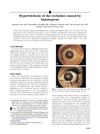 65 citations
,
November 2004 in “Journal of the American Academy of Dermatology”
65 citations
,
November 2004 in “Journal of the American Academy of Dermatology” This article reports a case where the IOP-lowering drug bimatoprost was associated with eyelash hypertrichosis.
 81 citations
,
August 2011 in “Journal of The American Academy of Dermatology”
81 citations
,
August 2011 in “Journal of The American Academy of Dermatology” In this study, latanoprost significantly increased hair density in young men with mild androgenetic alopecia after 24 weeks, suggesting it may stimulate hair follicle activity and treat hair loss.
 33 citations
,
January 2002
33 citations
,
January 2002 This study found that daily topical application of 500 microg/ml latanoprost led to moderate to marked hair regrowth in a macaque model of androgenetic alopecia.
 23 citations
,
April 2004 in “American Journal of Ophthalmology”
23 citations
,
April 2004 in “American Journal of Ophthalmology” This case report found that topical bimatoprost usage in a female Hispanic patient with open-angle glaucoma was associated with hypertrichosis and increased pigmentation of vellus hairs on the malar region.
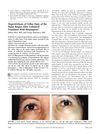 15 citations
,
March 2004 in “American Journal of Ophthalmology”
15 citations
,
March 2004 in “American Journal of Ophthalmology” This case report found that topical bimatoprost in a female Hispanic patient with glaucoma led to increased hair growth and pigmentation in the malar region, which resolved after discontinuing use and epilation.